Imagine savoring a delicious meal, only to realize your experience could shape the restaurant’s future. In the hospitality industry, customer feedback is gold-it not only elevates the dining experience but also drives meaningful changes in service quality and restaurant management. From engaging guests at the table to thoughtful post-visit follow-ups, we’ll dive into effective review flows that keep diners satisfied and businesses thriving. Curiosity piqued? Let’s explore how mastering these techniques can transform both service and satisfaction!
Importance of Customer Feedback in Hospitality and Guest Satisfaction
Customer feedback serves as the foundation of the hospitality industry, playing a crucial role in driving improvements and shaping outstanding dining experiences through valuable insights and guest feedback systems.
Enhancing Customer Experience
Effective feedback loops can significantly enhance the customer experience by personalizing services and addressing guest preferences in real time, ensuring high service standards.
Implementing structured feedback systems, such as Medallia and Qualtrics, enables restaurants to capture guest impressions seamlessly.
For example, Medallia, which starts at $300 per month, integrates with POS systems to solicit feedback immediately after dining, enhancing the user experience.
On the other hand, Qualtrics provides customizable surveys and analytics, making it ideal for tracking trends over time.
By analyzing this data, restaurants can adapt their menus or service offerings quickly, leading to improved customer satisfaction metrics and better dining options.
Establishing regular review cycles-whether weekly or monthly-ensures that adjustments remain aligned with the evolving desires of customers.
Driving Operational Improvements
Systematically leveraging customer feedback can result in notable operational improvements, optimizing service flow, ensuring service consistency, and minimizing wait times.
For instance, a restaurant in Chicago conducted weekly feedback analysis sessions to identify areas needing enhancement. Each week, the staff reviewed customer comments and ratings, which revealed a recurring complaint regarding the speed of meal delivery.
By streamlining their kitchen processes and reallocating servers during peak hours based on this data, they successfully reduced average service time by 15%. The implementation of tools such as Google Forms for surveys, along with regular monthly staff meetings, ensured ongoing engagement with the feedback.
This approach fostered a continuous improvement cycle that ultimately benefited both the team and the customers, enhancing customer loyalty and guest relations.
Table-Side Review Process
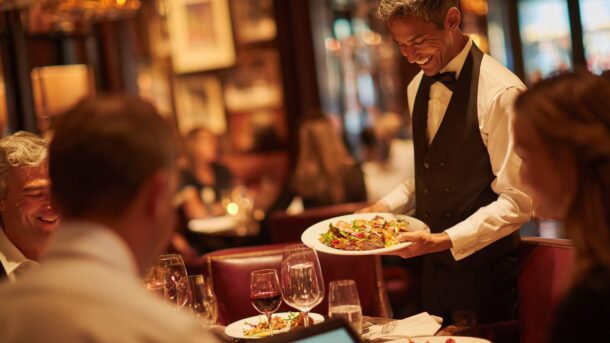
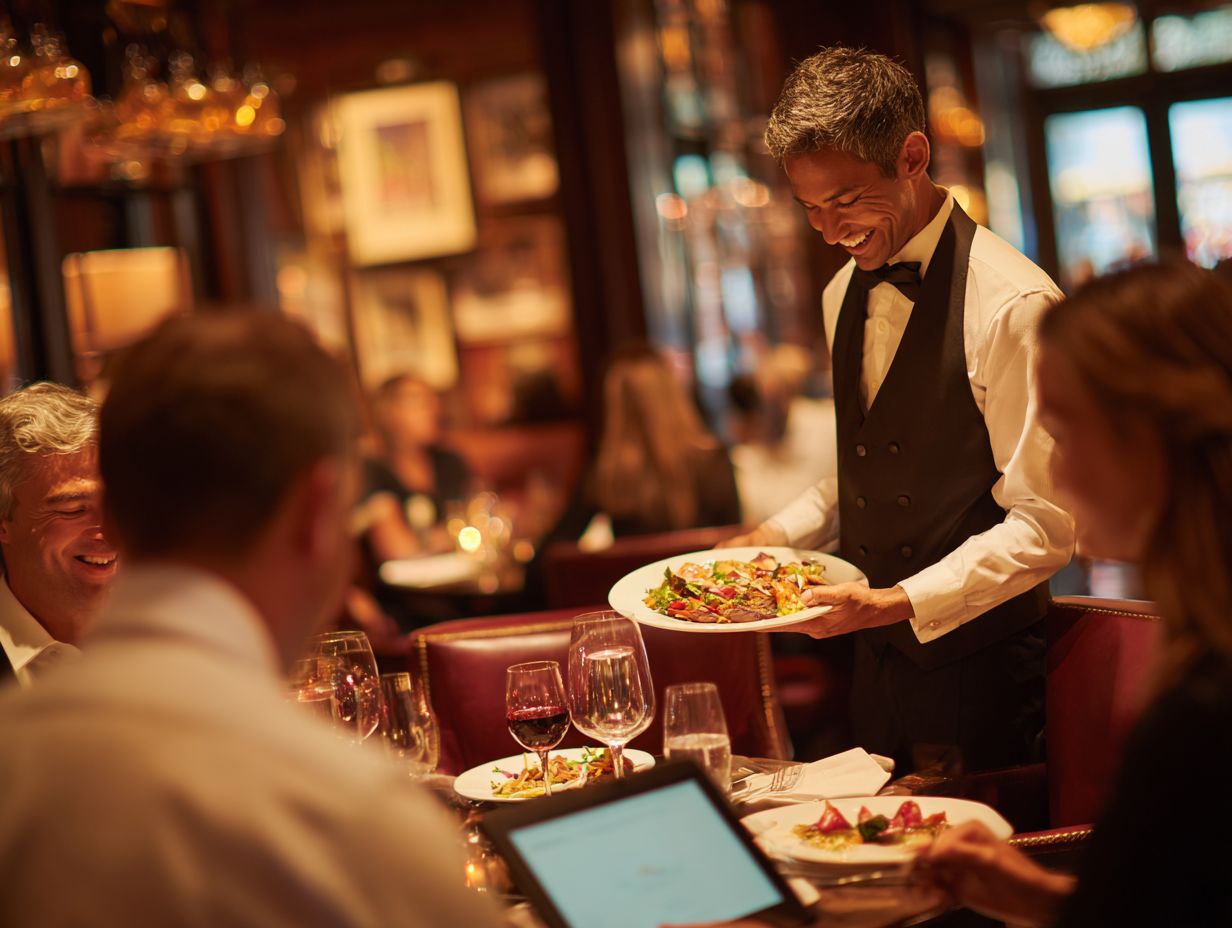
The table-side review process entails directly engaging with customers during their dining experience to gather immediate and actionable insights.
This approach allows for real-time feedback, enabling establishments to understand their patrons’ experiences better and make any necessary adjustments promptly.
Engagement Techniques for Staff
Training staff in effective engagement techniques can greatly enhance the collection of feedback from diners, ultimately improving the overall dining experience.
To implement these techniques, it may be beneficial to conduct role-playing sessions where staff can practice open-ended questions such as, “What did you enjoy most about your meal?” This approach encourages diners to provide more detailed feedback.
Utilizing tools like Trainual for standardized training ensures a consistent approach among all employees. It is also important to promote active listening by encouraging staff to restate feedback to confirm their understanding, which further strengthens rapport with customers.
By employing these methods, not only is customer satisfaction improved, but a culture of continuous improvement is also fostered within the team, promoting service excellence.
Utilizing Technology for Real-Time Feedback

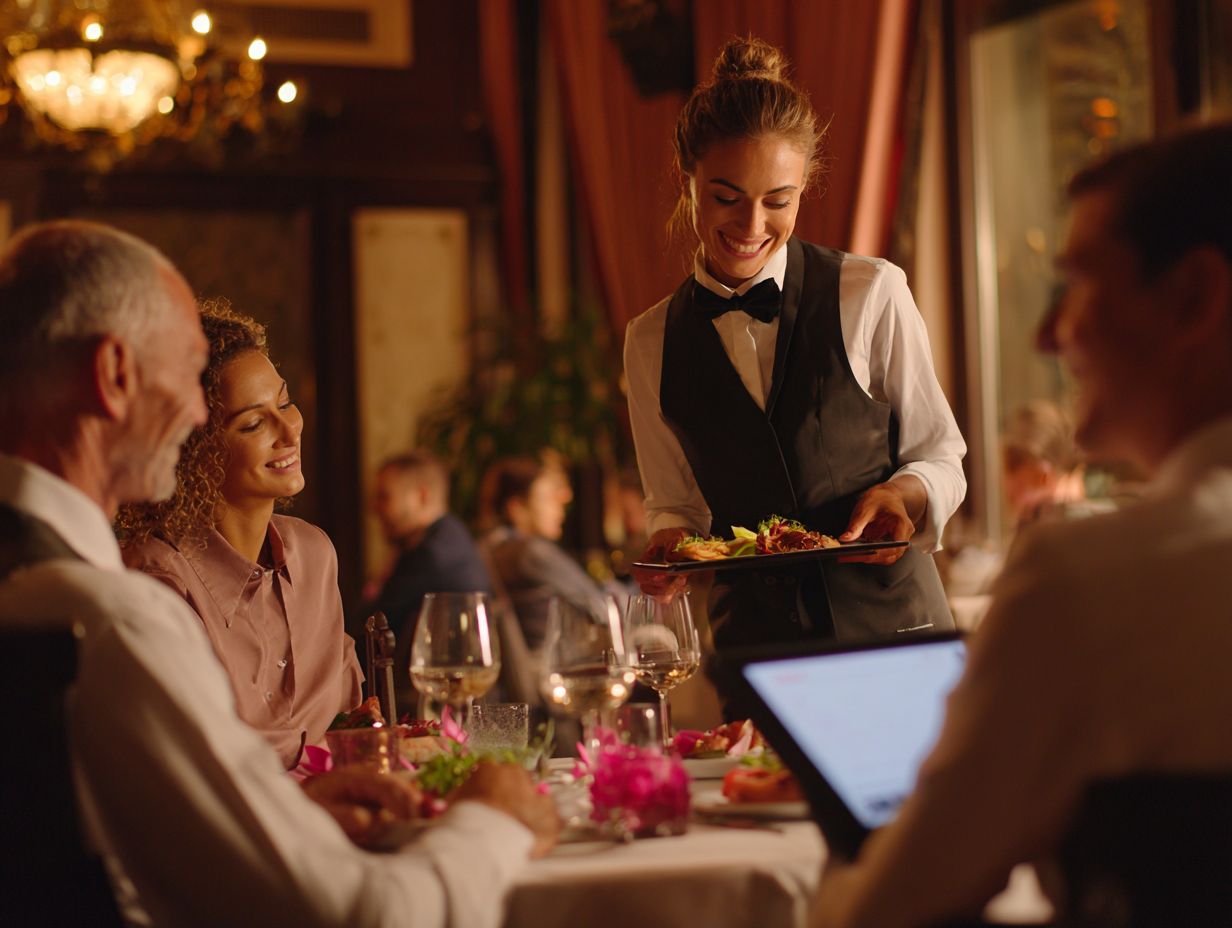
Implementing technology such as tablets or mobile applications for real-time feedback can significantly streamline the review process and provide immediate insights. For example, restaurants can use platforms like Feedbackly, which starts at $49 per month, to easily collect customer opinions through tablet-based surveys.
A noteworthy case is Joe’s Diner, which experienced a 30% increase in response rates after introducing a tablet system for reviews. This system allowed patrons to leave feedback instantly, ensuring that their comments were both relevant and up-to-date.
Additionally, integrating tools like Google Forms can further enhance survey customization, allowing restaurants to ask specific questions tailored to the unique aspects of their service experience.
Post-Visit Review Strategies
Post-visit review strategies are crucial for collecting detailed customer insights following their dining experiences. These strategies enable restaurants to make long-term improvements based on valuable feedback.
Email Follow-Ups and Surveys
Email follow-ups combined with targeted surveys can provide valuable insights into the dining experience, ultimately leading to actionable improvements and quality assurance.
To create effective email surveys, it is important to select a reliable tool, such as SurveyMonkey or Google Forms. Begin by crafting a compelling subject line, like “Your Feedback Matters!” to enhance open rates.
Within your survey, incorporate a blend of multiple-choice and open-ended questions to gather diverse feedback. For example, you might ask, “What dish did you enjoy most?” followed by a question such as, “How can we improve your experience?”
It is advisable to keep the survey concise to respect your customers’ time. Additionally, sending reminders a week later can help boost response rates, as follow-ups are known to significantly enhance participation.
Leveraging Social Media for Reviews
Harnessing social media as a platform for collecting reviews can significantly amplify customer voices and enhance brand reputation. To effectively encourage reviews, consider implementing a few strategies.
- First, running a contest that rewards customers for posting their reviews can generate excitement and participation.
- Second, offering a discount on their next purchase as a thank-you for leaving a review is a great way to incentivize feedback.
- Additionally, utilizing tools like Hootsuite (starting at $19/month) can help you monitor and respond to reviews in real-time, ensuring that you engage with your customers promptly.
- Lastly, highlighting positive reviews on your social media channels can inspire more customers to share their experiences.
Analyzing Feedback Data
Effectively analyzing feedback data enables restaurants to identify trends, evaluate guest satisfaction, and implement informed operational adjustments.
This process is crucial for enhancing the overall dining experience and ensuring that the restaurant meets the needs and preferences of its patrons, maintaining high performance metrics.
Identifying Trends and Areas for Improvement
By systematically reviewing feedback data, restaurants have the opportunity to uncover valuable trends and identify specific areas that require improvement.
For example, a local Italian restaurant took the time to analyze its Google Analytics ratings over several months and discovered a consistent decline in service speed. Recognizing this issue, the management decided to concentrate their efforts on addressing it by initiating targeted training sessions for the waitstaff to enhance their efficiency.
Furthermore, they implemented a new table management system that streamlined seating arrangements and reduced wait times. This strategic approach not only led to improved service ratings but also resulted in an increase in repeat customers, demonstrating the significant impact of actionable feedback analysis.
Implementing Changes Based on Feedback
Implementing changes based on customer feedback is essential for continuous improvement and upholding high service standards in the hospitality industry. For example, if a restaurant analyzes feedback revealing that customers are seeking healthier options, it can take that insight to heart.
Upon reviewing the survey results, the restaurant might decide to introduce a variety of salads and gluten-free dishes, which can lead to greater patron satisfaction and align with consumer behavior.
Utilizing tools such as SurveyMonkey or Google Forms can simplify this process, enabling management to gather and analyze feedback efficiently. By adjusting the menu in response to customer preferences, the restaurant has the opportunity to attract new clientele while also retaining its loyal customers.
This approach not only enhances the restaurant’s reputation but also positively impacts its bottom line.
Case Studies of Successful Review Flows
Examining case studies of restaurants that have successfully implemented review flows can offer valuable insights and best practices.
For instance, take Restaurant A, which integrated Yelp’s review management system. By responding to reviews in real time, they effectively increased customer engagement, leading to a remarkable 30% boost in repeat visits.
Similarly, Restaurant B employed a feedback kiosk that prompts diners to rate their experience immediately after their meals, resulting in a 25% rise in positive online reviews.
Utilizing tools like Trustpilot or Google Reviews can streamline this process, enabling businesses to track customer sentiment and continuously adjust their offerings to enhance overall satisfaction.
Future Trends in Customer Feedback Mechanisms
Emerging trends in customer feedback mechanisms are transforming the way hospitality businesses engage with their guests and enhance their overall experiences. For example, AI-powered feedback analysis tools like Medallia and Qualtrics offer real-time insights into customer sentiments, enabling managers to promptly address concerns as they arise.
Additionally, businesses can take advantage of social media listening tools such as Hootsuite and Brandwatch to quickly gauge guest reactions and adjust their services accordingly. The integration of chatbots on websites also facilitates communication by collecting feedback through conversational interfaces.
By leveraging these restaurant technologies, hospitality organizations can create a more responsive environment that not only meets but also anticipates the needs of their guests, fostering emotional connections and personalized service.
Frequently Asked Questions
What is table-side review in the hospitality and restaurant industry?
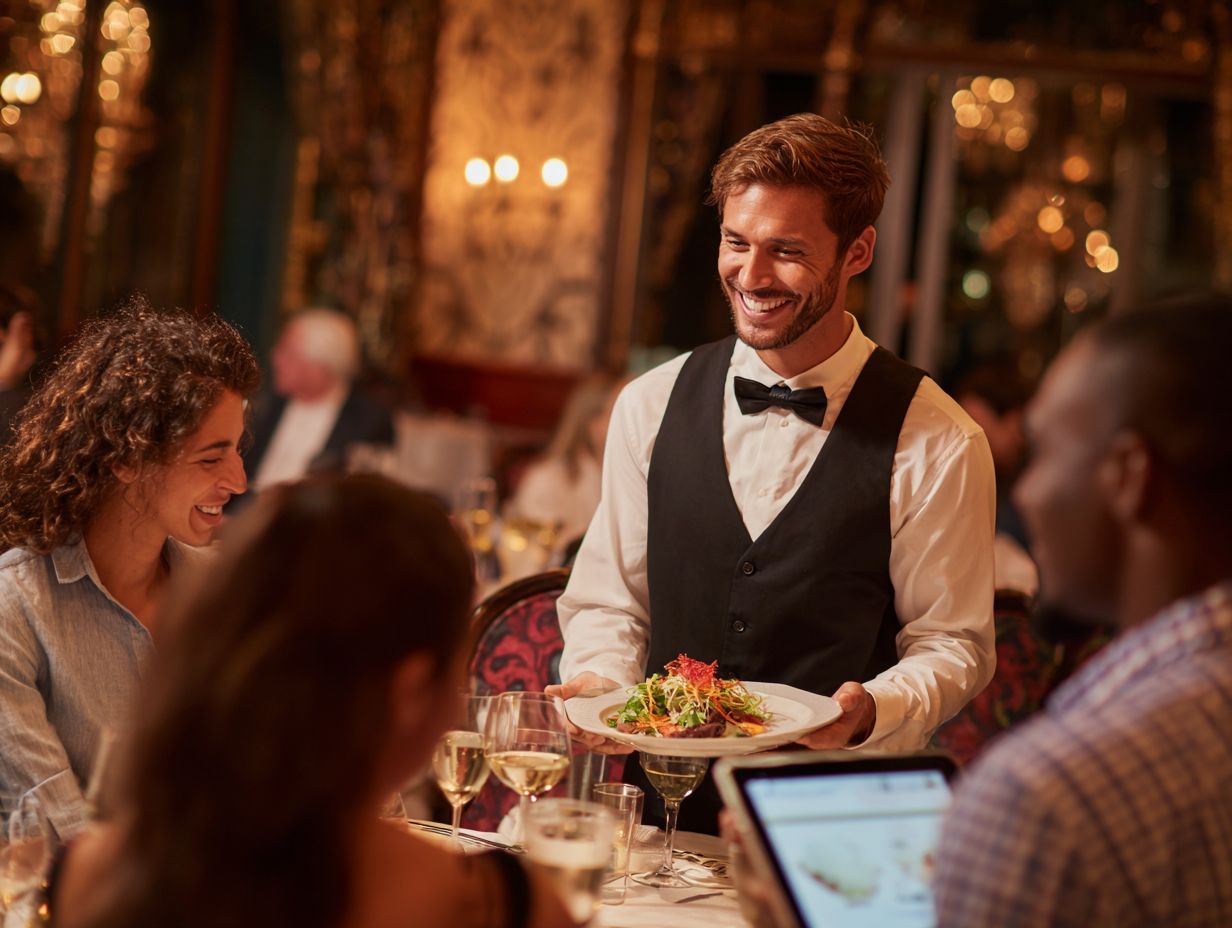
Table-side review refers to the process of reviewing a guest’s experience at the restaurant right at their table, usually towards the end of their meal. This allows for immediate feedback and gives the restaurant a chance to address any issues or concerns the guest may have.
Why is table-side review important in the hospitality and restaurant industry?
Table-side review is important because it allows for real-time feedback from guests, giving the restaurant a chance to improve their service and address any problems. It also shows that the restaurant values their guests’ opinions and wants to ensure they have a positive experience.
What are some examples of post-visit review flows in the hospitality and restaurant industry?
Post-visit review flows can include email surveys, online reviews on platforms like Yelp or Google, or even physical comment cards at the restaurant. These allow guests to provide feedback after their visit and can help the restaurant improve its services.
How can table-side and post-visit reviews benefit the hospitality and restaurant industry?
Table-side and post-visit reviews can benefit the industry by providing valuable feedback and insights from guests. This can help restaurants improve their services, retain customers, and attract new ones through positive reviews and word of mouth.
What should restaurants do with the feedback received from table-side and post-visit reviews?
Restaurants should carefully review and consider the feedback received from table-side and post-visit reviews. They should also take action to address any issues or concerns raised by guests and use the feedback to improve their overall operations and service.
Are table-side and post-visit reviews the only ways for restaurants to gather feedback from guests?
No, there are other ways for restaurants to gather feedback from guests, such as social media, online surveys, or in-person comments. However, table-side and post-visit reviews are important because they allow for direct and immediate feedback, giving the restaurant a chance to make quick improvements.