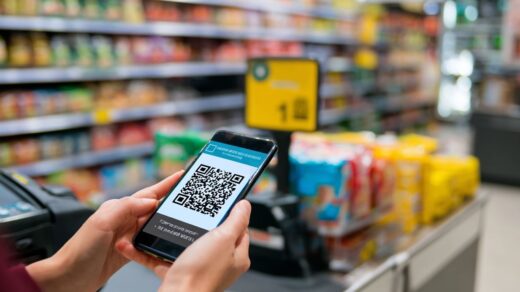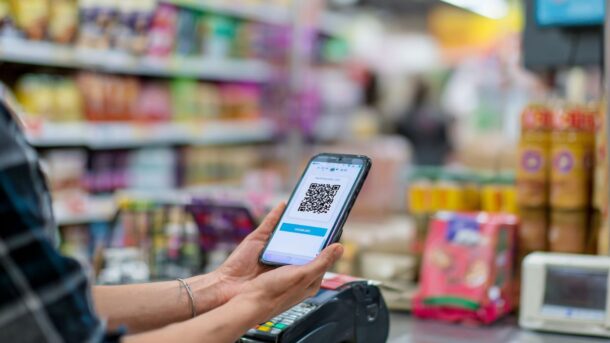
Imagine breezing through the checkout process and instantly sharing your thoughts on a product-a verified review-all in less than a minute. QR codes are transforming the shopping experience, making it quicker and more engaging with enhanced user experience. But how do these little squares make such a big impact? From their evolution and benefits at checkout to the seamless journey from scan to review, this article unpacks the magic behind QR codes and why they’re essential for modern retail and digital interaction. Curious about how it all works? Let’s dive in!
What are QR Codes?
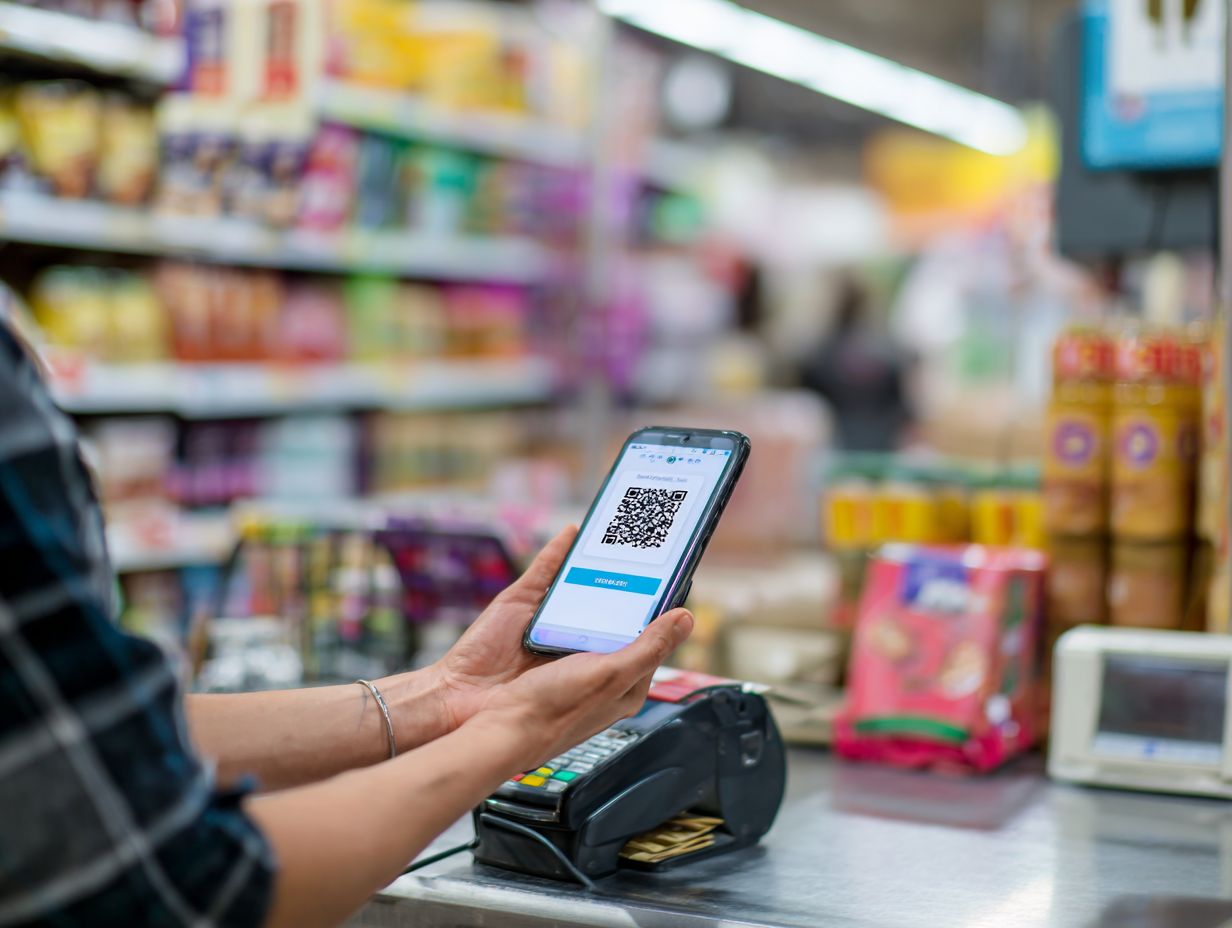
QR Codes are two-dimensional barcodes that store data, enabling users to quickly access URLs, product information, or digital coupons by scanning them with a mobile device, enhancing digital payment and transaction security.
In the retail sector, QR Codes significantly enhance user interactions by streamlining transactions. For example, consumers can scan QR Codes on product tags to access detailed information, such as ingredient lists or origin stories.
Many stores provide discounts through QR Codes available at checkout, encouraging customers to scan them for instant savings, fostering better customer engagement and loyalty programs.
Brands like Starbucks have adopted QR Codes for mobile payments, facilitating quicker transactions compared to traditional payment methods.
By incorporating these codes into packaging or promotional materials, retailers can effectively engage customers and offer a seamless shopping experience.
History and Evolution
Originally developed in 1994 for tracking automotive parts, QR Codes have since evolved into an essential tool for marketing strategy and consumer behavior engagement across various sectors.
Initially, these codes were utilized for inventory management, with early adoption seen in retail and logistics.
As smartphones became widely accessible, the application of QR Codes shifted toward consumer-facing functionalities.
For instance, restaurants began employing QR Codes to provide digital menus, enabling patrons to place orders without the need for physical menus. Additionally, companies like Spotify have integrated QR Codes to effortlessly share playlists, thereby enhancing the overall user experience.
Today, QR Codes play a crucial role in facilitating contactless payments and managing event ticketing, improving the overall user interface and convenience.
This evolution underscores their adaptability to shifting consumer behaviors and the growing demand for convenience in digital interactions.
Benefits of Using QR Codes at Checkout
Integrating QR codes at checkout can greatly simplify the payment process. This approach not only enhances customer satisfaction but also significantly reduces transaction times in retail settings.
Speed and Efficiency
QR Codes have the potential to significantly reduce checkout times, bringing the average down from around 10 minutes to just 1 minute. This advancement makes shopping not only faster but also more convenient for consumers.
For example, a local grocery chain adopted QR Code payment systems, allowing customers to scan their items and pay directly through their smartphones. This innovation enhanced the overall shopping experience and minimized the reliance on cashiers during peak hours, resulting in queues that were 30% shorter.
Additionally, stores can implement tools like Scan & Go apps, which enable shoppers to manage their carts with greater flexibility. By integrating such technology, retailers can markedly improve their operational efficiency and elevate customer satisfaction.
Enhanced Customer Experience
By offering instant access to digital coupons and product information, QR Codes greatly enhance the overall customer experience, cultivating loyalty and brand trust signals.
For example, Starbucks implemented QR Codes in a campaign that provided customers with personalized offers. The outcome was impressive-a 30% increase in repeat visits.
In a similar vein, the fast-food chain Taco Bell utilized QR Codes on in-store menus to link customers to exclusive online deals, resulting in a noticeable rise in online orders.
If you’re interested in creating your own engaging QR Code campaign, consider using tools like QR Code Generator or Beaconstac. These tools also allow you to track scan statistics, helping you refine your future promotions effectively.
How QR Codes Work
Understanding the mechanics of QR Codes provides valuable insight into how they enable quick data retrieval and improve user convenience across various retail applications, fostering enhanced customer service.
Scanning Process
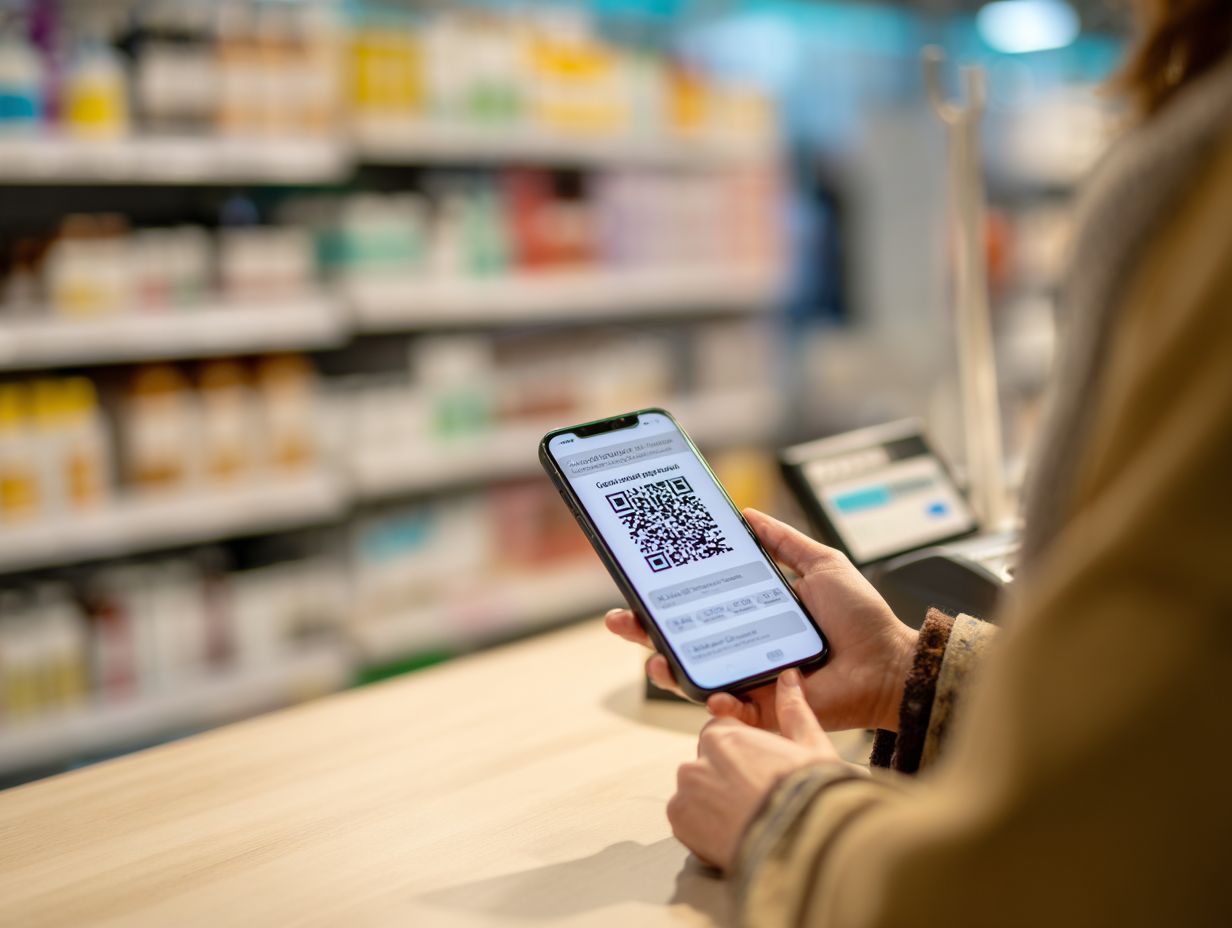
The scanning process involves utilizing a smartphone camera or a QR code scanner application, which translates the visual data into actionable information. To scan a QR code, simply open your camera app or a dedicated QR code reader, such as QR Code Reader, which is available for free.
Position your camera so that it focuses on the code; a notification should appear, prompting you to open the associated link. If this does not happen, check to ensure that your camera lens is clean and that the QR code is adequately illuminated.
For added security, consider using applications like Kaspersky’s QR Code Reader, which verifies the safety of links before you access them. If you continue to experience difficulties, restarting your phone and trying again can often resolve the issue. This method enhances the likelihood of a successful scan, allowing for seamless access to the content.
Data Retrieval
Once scanned, QR Codes can connect to various types of data, including URLs, text, or vCard information, offering users seamless access to product details or special promotions. Retailers can strategically employ QR Codes to enhance the shopping experience and elevate their marketing efforts.
For example, by linking QR Codes to landing pages that feature exclusive discounts, retailers can encourage immediate purchases. Moreover, integrating QR Codes with customer feedback forms allows brands to collect real-time insights from their audience.
A noteworthy example is Starbucks, which incorporates QR Codes into its rewards program to improve customer engagement and foster loyalty. By utilizing QR Codes across different contexts, such as menus and product packaging, retailers can effectively reach and engage with their audience.
Implementing QR Codes in Retail
Successfully integrating QR codes into retail involves choosing the appropriate tools and designing codes that are in harmony with both branding and customer needs, enhancing digital marketing strategies.
It’s important to ensure that these codes not only serve their functional purpose but also resonate with the overall brand identity and enhance the customer experience, fostering brand loyalty and user retention.
Choosing the Right QR Code Generator
Popular QR Code generators, such as QR Code Generator (ranging from free to $15 per month) and Scanova (priced between $15 and $45 per month), provide a variety of features designed to meet specific business needs, including business analytics, customization, and QR code tracking.
When selecting a QR Code generator, it is helpful to consider the following comparison:
| Generator | Pricing | Key Features | Best Use Case |
|---|---|---|---|
| QR Code Generator | Free-$15/mo | Customization, Analytics | Small businesses |
| Scanova | $15-$45/mo | Dynamic codes, Multiple formats | Medium to large businesses |
| GoQR.me | Free | Simple creation, No account needed | Quick, personal use |
Ultimately, your choice should align with your specific needs. For instance, if advanced tracking is a priority, Scanova would be a suitable option. On the other hand, if you are looking for a straightforward and cost-effective solution, QR Code Generator may be the ideal choice.
Designing Effective QR Codes
An effective QR Code design is crucial for achieving high scan rates while aligning with brand aesthetics. By thoughtfully utilizing colors and logos, one can enhance visual appeal without sacrificing functionality.
To optimize a QR Code, it is important to consider several best practices:
- Ensure the size is at least 1 x 1 inch to facilitate easy scanning.
- Maintain a high color contrast-dark codes on light backgrounds tend to yield the best results.
- Incorporate your logo in a subtle manner to reinforce branding; for instance, Starbucks seamlessly integrates their emblem into their design.
- For real-world inspiration, observe how Nike employs QR Codes on their packaging to engage customers with interactive experiences.
Implementing these strategies not only enhances engagement analytics but also effectively reinforces your brand identity, fostering interactive marketing and social proof.
From Scan to Review: The Customer Journey
Mapping the customer journey, from scanning a QR Code to providing feedback, emphasizes the importance of creating seamless transitions between touchpoints in the retail experience, enhancing customer experience management.
Each step in this journey plays a crucial role in ensuring that customers feel connected and engaged throughout their interactions.
Step-by-Step Process
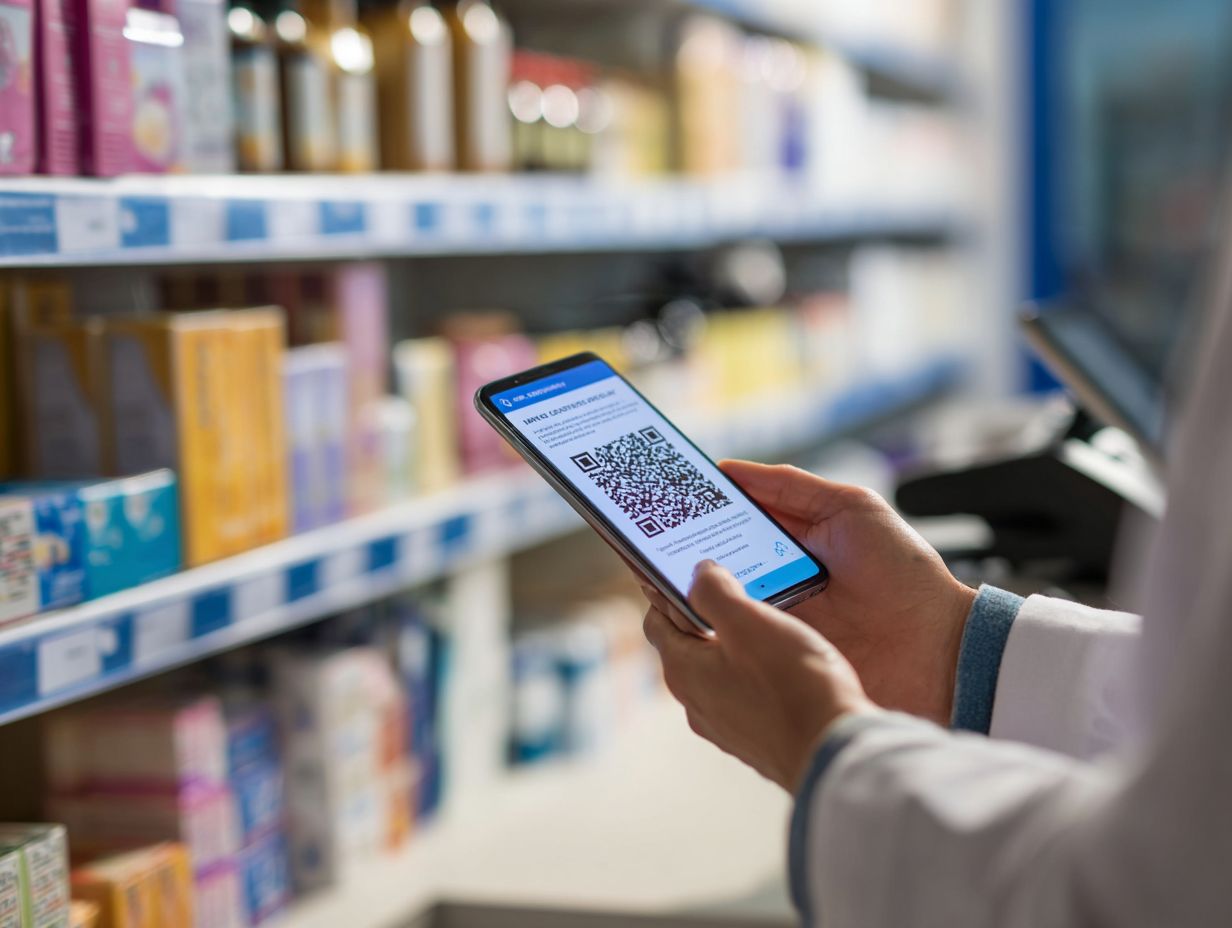
The journey commences when a customer scans a QR Code, guiding them through several stages: accessing information, making a purchase, and ultimately providing feedback, utilizing a feedback loop and review generation.
Upon scanning the QR code, customers are typically directed to a product landing page where they can view detailed information and images. This step is critical, as research indicates that clear visuals can enhance conversion rates by as much as 80%.
After reviewing the product details, customers can easily proceed to purchase, often utilizing streamlined mobile payment options for convenience.
Following the purchase journey, it is beneficial to encourage feedback through follow-up emails or SMS, which can boost engagement by 20%. Additionally, collecting metrics such as the percentage of customers who complete surveys can help further refine this customer journey mapping.
Tips for Encouraging Product Reviews and Instant Feedback
To encourage reviews, retailers can consider incentivizing customers with discounts or loyalty points for providing feedback after scanning QR codes. For instance, a retailer might offer a 10% discount on the next purchase in exchange for a consumer trust-building review.
Brands such as Sephora have successfully utilized loyalty programs, allowing customers to earn points for each review written, which has led to a noticeable increase in customer opinion and feedback.
Employing tools like Yotpo or Trustpilot can further streamline this process by sending automated requests after purchases and tracking customer engagement. By combining these strategies with digital touchpoints, retailers not only increase the volume of reviews but also enhance customer loyalty and brand interaction, creating a beneficial situation for both parties involved.
Security, Authentication, and Verification in Mobile Commerce
As QR Codes continue to gain popularity in mobile commerce, it is essential to ensure data integrity and protect customer information. This is crucial for maintaining consumer trust and ensuring security.
Ensuring Data Integrity and Data Privacy
Implementing encryption and utilizing verified QR Code generators is essential for ensuring data integrity and data privacy, preventing tampering and unauthorized access. To enhance the security of your QR Code data, it is advisable to host your links on secure servers and employ HTTPS protocols, which help protect data in transit.
Conducting regular audits of your QR Code links is also crucial. These audits should examine any alterations or broken links to maintain functionality.
Additionally, using dynamic QR Codes offers the advantage of changing the destination URL without the need to alter the code itself, providing both flexibility and control.
By integrating these practices, you will significantly enhance the security and reliability of your QR Code implementations.
Protecting Customer Information and Enhancing User Trust
To safeguard customer information, retailers should employ secure servers and adhere to data protection regulations, such as GDPR, when managing QR Code interactions. Additionally, it is advisable for retailers to implement encryption for any personal data collected through QR Codes to build user trust.
Utilizing tools like SSL certificates can help ensure that data is transmitted securely.
Regular audits are crucial in this process. Leveraging compliance management software, such as OneTrust, can assist in tracking adherence to regulations. Retailers should also invest in educating their staff on data privacy best practices, ensuring they grasp the significance of protecting customer information.
Providing customers with clear privacy policies that outline data usage and retention can significantly enhance trust and encourage greater engagement with QR Codes.
Future of QR Codes in Retail and E-commerce Market Trends
Emerging market trends suggest that QR Codes are set to increasingly connect with augmented reality (AR) experiences and mobile wallets, thereby enhancing interaction and streamlining the customer journey.
For instance, businesses are now employing QR Codes to activate augmented reality scenarios, which enable customers to visualize products within their own spaces. A notable example is IKEA, which has taken the lead with their app that allows users to scan a QR Code and see how furniture would look in their homes.
Additionally, mobile wallet integration offers a seamless transaction process; consumers can simply scan a QR Code at checkout to complete payments without the need for physical cards.
A recent survey revealed that 80% of consumers are open to using QR Codes for online shopping, reinforcing the validity of these trends.
Frequently Asked Questions on QR Codes and Retail Technology
What are QR codes at the point of sale (POS) checkout?
QR codes at the point of sale checkout are a type of barcode that can be scanned with smartphone technology or mobile scanning to quickly and securely complete a transaction.
How do QR codes work at checkout?
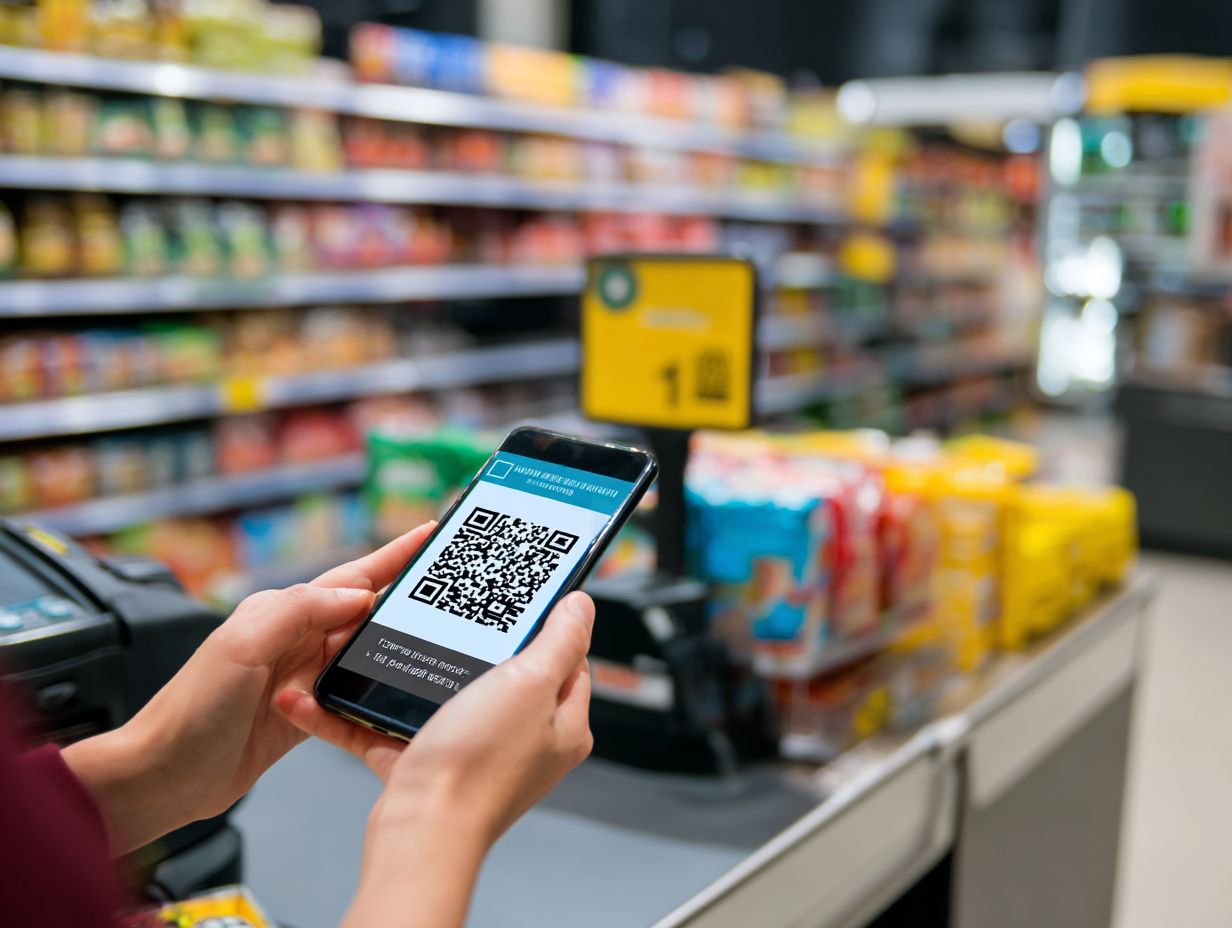
When a customer scans a QR code at checkout, it links to a payment or review platform, allowing them to complete the transaction or leave a review in just 60 seconds.
Why should I use QR codes at checkout for seamless checkout?
QR codes at checkout provide a fast and convenient way for customers to complete a transaction or leave a review, optimizing checkout speed and response time. They are also more secure and eliminate the need for physical contact or sharing sensitive information.
Do I need a special app integration to scan a QR code at checkout?
No, most smartphones have a built-in QR code scanner in their camera function. If not, there are many free QR code scanning apps available to download for mobile applications.
How do I know if a QR code at checkout is legitimate?
Legitimate QR codes at checkout will be displayed by the business or organization in a visible and secure location. If you have concerns, you can verify the QR code’s origin by contacting the business directly.
Can I leave a verified review using a QR code at checkout for instant reviews?
Yes, QR codes can be used to leave verified reviews through a secure and trusted third-party platform, enhancing quick response and authenticated feedback from customers.