Imagine transforming your team’s productivity in just 30 days! The 30-Day Review Sprint isn’t just another checklist; it’s a game-changer for busy teams looking to streamline processes and spark innovation. By diving into goal-setting, assessments, and action planning, you’ll discover how to tackle challenges head-on and seize new opportunities. Curious about how to implement this structured approach? Let’s explore how each week unfolds and sets the stage for lasting success!
Purpose and Benefits

The primary aim of the 30-Day Review Sprint is to improve team performance by establishing regular feedback loops and providing actionable insights. This day-by-day checklist supports busy teams in maintaining focus on agile methodologies and strategic planning for team dynamics.
To successfully implement a Review Sprint, it is advisable to schedule weekly feedback sessions where team members can discuss their progress and any challenges they are facing. Utilizing tools like Trello can be beneficial for tracking tasks and issues, as it promotes accountability and visibility within the team.
Incorporating metrics, such as project completion rates and individual contributions, will help in evaluating performance effectively. After each session, it is important to create a summary document that outlines the key takeaways and action items.
This method not only fosters transparency but has also been associated with a reported 25% increase in productivity, as team members feel more aligned and engaged in their work.
Who Should Participate
Participation in the 30-Day Review Sprint is essential for all team members, especially those in leadership positions and cross-functional teams that drive the project forward, ensuring strong project management and team collaboration.
Project managers play a vital role in coordinating schedules, managing project timelines, and documenting the team’s progress to ensure that tasks are completed on time while maintaining workflow optimization and time management.
Developers concentrate on refining features and addressing technical challenges, while QA testers are crucial for validating the functionality and performance of updates.
For example, a project manager might utilize Trello to monitor progress, developers might depend on GitHub for version control, and QA testers could use automated testing tools like Selenium.
Each role contributes in a unique way, fostering a collaborative environment that greatly enhances the overall success of the project.
Preparation Phase
A successful sprint starts with establishing clear goals and gathering the necessary resources. This approach ensures that all team members are aligned and well-prepared for the tasks that lie ahead.
Setting Goals for the Sprint
Setting SMART (Specific, Measurable, Achievable, Relevant, Time-bound) goals is crucial for the 30-Day Review Sprint, as it effectively guides the team’s efforts.
To establish these SMART goals, it’s important to adopt a structured approach. Begin by engaging all team members in discussions; this encourages collaboration and ensures everyone is on board. Documenting your goals in a shared tool like Asana or Trello is advisable, as it facilitates easy tracking and adjustments.
Once you have drafted your goals, it’s beneficial to hold an alignment meeting to review and finalize them.
For instance, a SMART goal could be articulated as follows: “Increase our blog traffic by 20% over the next 30 days by publishing three high-quality articles weekly and promoting them on social media.”
Gathering Necessary Resources
Gathering the appropriate resources, including tools and documentation, is crucial for the successful execution of the 30-Day Review Sprint. To facilitate a streamlined process, consider the following key tools:
- Project Management Tools: Platforms such as Monday.com, which begins at $8 per user per month, are effective for tracking tasks and deadlines.
- Communication: Slack is an excellent option for communication, offering a free tier alongside premium plans that provide additional features, ensuring real-time updates.
- Documentation: Confluence serves as a robust documentation tool, available at $10 per user per month, making it ideal for sharing notes and insights.
Utilizing these resources together creates a centralized workflow, minimizing miscommunication and enhancing productivity throughout the sprint.
Week 1: Kickoff and Initial Assessments
The first week is dedicated to establishing team dynamics, setting clear success criteria, and conducting initial assessments.
This process aims to identify individual strengths and areas for growth within the team.
Day 1: Team Kickoff Meeting

The kickoff meeting is essential for aligning the team’s vision, establishing objectives, and clarifying expectations for the 30-Day Review Sprint. To ensure that this session is productive, it is advisable to follow this agenda:
- Begin with introductions and icebreakers to foster rapport among team members.
- Provide an overview of the sprint goals, detailing specific objectives and timelines.
- Discuss roles and responsibilities, making clear who is accountable for each task within the sprint.
- Establish communication norms to promote smooth collaboration, such as using Zoom for remote discussions and designating a preferred channel for ongoing updates.
This structured approach helps facilitate clarity and engagement among team members.
Day 2-3: Individual Assessments
On Days 2 and 3, individual assessments play a crucial role in identifying personal strengths and skill gaps within the team, enabling focused development efforts. To conduct these assessments effectively, it is advisable to utilize structured tools such as SurveyMonkey, which can facilitate anonymous feedback and encourage honest responses.
A three-step format can be implemented for this process:
- First, distribute self-assessment forms that allow team members to reflect on their own skills.
- Next, organize peer feedback sessions to encourage collaborative insights among team members.
- Finally, compile and review the results during a team meeting, ensuring that everyone understands the common themes and has a clear pathway for improvement.
This structured approach not only fosters accountability but also enhances the overall performance of the team.
Day 4-7: Team Review Sessions
The team review sessions scheduled from Days 4 to 7 facilitate open dialogue regarding individual assessments and promote a culture of continuous improvement. To enhance the effectiveness of these sessions, it is advisable to allocate daily one-hour blocks where each participant has the opportunity to share their thoughts.
Adopting a round-table format will ensure that everyone has an equal voice, allowing each team member to provide their insights and feedback without hesitation. Following each session, it is essential to document the key takeaways in Google Docs. This practice not only fosters transparency but also serves as a valuable reference for future discussions.
By incorporating these strategies, the team can cultivate a supportive environment that encourages growth and accountability.
Week 2: Identifying Challenges and Opportunities
During Week 2, the emphasis is on identifying challenges and uncovering opportunities through collaborative brainstorming. This approach lays the groundwork for developing actionable strategies.
Day 8-10: Brainstorming Sessions
Days 8 to 10 are allocated for brainstorming sessions aimed at gathering diverse perspectives, engaging stakeholders, and generating creative solutions to the challenges identified.
To ensure these brainstorming sessions are as effective as possible, it is beneficial to implement specific techniques. Begin with mind mapping, utilizing tools such as Miro to visually organize thoughts and ideas. It is important to encourage participants to express their ideas freely, without the fear of criticism. This ‘no judgment’ rule creates an open environment that fosters creativity.
Furthermore, documenting all ideas on a shared platform like Google Docs allows for easy reference later on. Assigning a facilitator will help keep discussions focused and productive, ensuring that everyone has the opportunity to contribute.
By applying these strategies, participants can compile a rich repository of innovative solutions that can be reviewed and developed further.
Day 11-14: Prioritizing Issues
During Days 11 to 14, the team engages in a collaborative effort to prioritize the identified issues, ensuring that their focus remains on the challenges that will have the greatest impact.
To achieve effective prioritization, the team utilizes the Eisenhower Matrix, which categorizes issues into four quadrants based on their urgency and importance. For instance, tasks that demand immediate attention and are critical to the success of the project are assigned the highest priority, while those that are less urgent are scheduled for review at a later time.
Each team member takes the lead in discussions regarding the highest-ranked items, encouraging a variety of insights and fostering an atmosphere of collaboration. By the conclusion of this phase, the team has a clear and actionable agenda for addressing the most pressing challenges.
Week 3: Action Planning
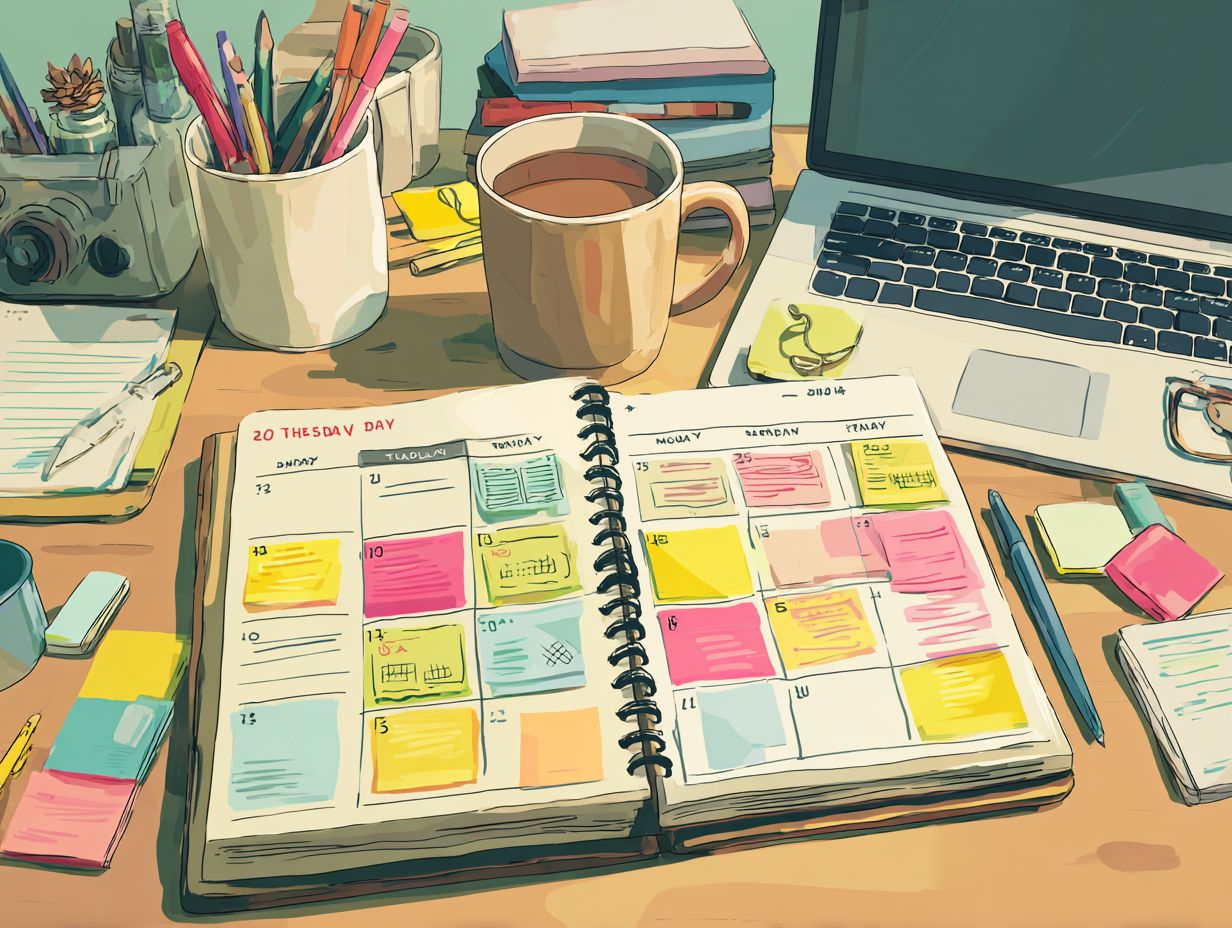
During Week 3, teams will create detailed action plans that outline strategies for tackling prioritized challenges, improving team engagement, and capitalizing on available opportunities while focusing on milestones and deliverables.
Day 15-17: Developing Action Plans
From Days 15 to 17, teams engage in collaborative efforts to develop comprehensive action plans that outline specific tasks, responsible parties, and deadlines.
To create an effective action plan, one should begin by identifying the overarching goals of the project and setting performance metrics. Subsequently, these goals can be broken down into smaller, manageable tasks, utilizing tools like Trello for visual organization and task management.
It is important to assign each task to a team member based on their strengths and expertise, ensuring that every task has a clear deadline to maintain accountability and task prioritization. Regular weekly check-ins should be implemented to review progress, conduct performance evaluation, and make any necessary adjustments.
This structured yet flexible approach promotes collaboration, adaptability, and contributes to the overall success of the project by enhancing team alignment and resource allocation.
Day 18-21: Assigning Responsibilities and Engagement Strategies
Days 18 to 21 are dedicated to the clear assignment of responsibilities and stakeholder involvement, which are crucial for ensuring accountability and ownership of tasks outlined in the action plans.
To effectively implement RACI charts, one can follow these steps:
- First, identify all tasks along with the team members associated with each task.
- Next, designate roles-specifically, determine who is Responsible for completing each task, who is Accountable for overseeing progress, who should be Consulted for their expertise, and who needs to be Informed about the outcomes.
For instance, when launching a marketing campaign, the Content Creator would be Responsible, the Marketing Manager would be Accountable, Graphic Designers might be Consulted for visuals, and the Sales Team would be Informed about the campaign details. This structured approach enhances clarity and efficiency in project management.
Week 4: Implementation and Review
The final week focuses on the execution of action plans and the continuation of review processes to evaluate progress and implement any necessary adjustments.
Day 22-25: Executing Action Plans
From Days 22 to 25, the team concentrates on implementing the established action plans, ensuring that each task is effectively addressed.
During this period, it is crucial to conduct daily stand-up meetings with clear meeting agendas. Utilizing collaborative tools like Jira or Trello for tracking progress promotes accountability and aids in quickly identifying any obstacles.
For example, team members can update their tasks in real time, which allows for immediate feedback and necessary adjustments. It is also important to define clear metrics for success-such as completion rates or time spent on tasks-to assess effectiveness.
Additionally, documenting insights gained from these meetings will be valuable for informing future planning phases, contributing to a cycle of continuous improvement and strategic reviews.
Day 26-28: Mid-Sprint Check-ins
Mid-sprint check-ins on Days 26 to 28 provide an excellent opportunity for teams to assess their progress and make any necessary adjustments to stay on track.
During these check-ins, it is important for teams to concentrate on several key areas:
- reviewing completed tasks against established goals
- discussing any roadblocks encountered
- determining the next steps
Utilizing tools such as Trello or Asana can help visually track progress, ensuring that everyone is aligned on priorities. It is also beneficial for each participant to prepare a brief update in advance to streamline discussions, which helps keep meetings efficient and engaging.
By promoting open communication and a proactive mindset, teams can more effectively identify any necessary pivots and sustain the momentum needed to meet their sprint deadlines, enhancing engagement metrics and workflow management.
Final Review and Feedback with Outcome-based Evaluations

The final review and feedback sessions concentrate on synthesizing the insights gained during the sprint while evaluating the overall performance of the team. To enhance the effectiveness of these sessions, it may be beneficial to consider the following strategies.
- First, gather feedback through anonymous surveys using Google Forms, ensuring that all team members feel comfortable sharing their thoughts.
- Next, schedule a final debrief meeting in which key themes can be discussed in detail, fostering an environment of open dialogue.
- Additionally, document the lessons learned throughout the process for future reference, which allows the team to build on its successes and avoid previous challenges.
This structured approach not only enhances collaboration but also promotes continuous improvement within the team.
Planning for Future Sprints
Planning for future sprints involves using the insights gained from previous experiences to optimize processes and improve team collaboration. To effectively implement a continuous improvement cycle, it is essential to establish regular follow-up meetings where past sprint performances can be analyzed.
These sessions serve as an opportunity to adjust sprint goals based on the feedback from the team. For instance, if the team is having difficulty with story points, it may be wise to re-evaluate those points or provide additional training to address any gaps, enhancing team roles and motivation.
Encouraging team members to share new ideas for the upcoming sprint fosters an environment of open communication, which is crucial for growth. Utilizing tools like Trello or Jira can assist in tracking improvements and facilitating discussions, ultimately enhancing accountability and collaboration within the team.
Frequently Asked Questions
What is the 30-Day Review Sprint?
The 30-Day Review Sprint is a day-by-day checklist designed for busy teams to help them stay organized and focused during a 30-day review period.
How does the 30-Day Review Sprint work?
The checklist provides a set of tasks to be completed each day for 30 days, with the goal of improving team efficiency and productivity.
Who can benefit from using the 30-Day Review Sprint?
This checklist is perfect for busy teams, whether they are working on a specific project or just looking to improve their overall performance.
What are the benefits of following the 30-Day Review Sprint?
By completing the daily tasks on the checklist, teams can expect to see improved communication, increased productivity, and a better understanding of their goals and progress.
Can the 30-Day Review Sprint be customized for different teams?
Absolutely! The checklist is designed to be flexible and can be tailored to fit the specific needs and goals of any team.
Is there a specific order in which the tasks should be completed?
While the checklist is designed to be completed in a specific order, teams can adjust the order to fit their schedule and priorities. The important thing is to complete all tasks within the 30-day period.