Looking to boost your business’s visibility on Yelp? Navigating the maze of review requests can be tricky-what’s allowed, what’s not, and how can you actually get those glowing reviews while maintaining your business’s reputation management? It’s essential to understand Yelp’s guidelines and discover effective strategies that resonate with customers, boosting your online presence and consumer trust. From timing and personalization to crafting the perfect message, we’ll explore the do’s and don’ts that can make or break your review requests. Ready to unlock the secrets of successful Yelp reviews? Let’s dive in!
Understanding Yelp’s Review Policies for Reputation Management

Grasping Yelp’s review policies is essential for business owners to enhance their business credibility and audience reach. By understanding these guidelines, they can navigate the platform effectively while ensuring compliance and enhancing customer engagement.
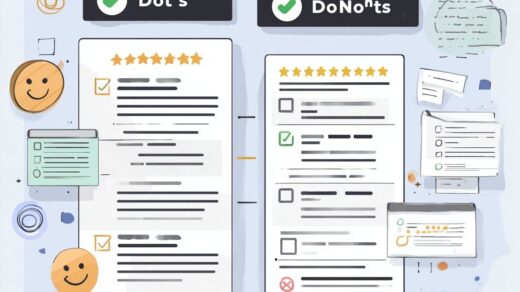
What is Allowed
Yelp provides businesses with the opportunity to request reviews as part of their customer engagement strategy, promoting practices that encourage authentic feedback and ethical practices. To effectively leverage this feature, consider the following specific practices:
- First, ask for reviews during in-person interactions or follow-up calls to create a personal touch. For example, after successfully resolving a customer’s issue, you might say, “We would greatly appreciate it if you could share your experience on Yelp!”
- Second, include direct links to your Yelp page in your email communications. It is important to request feedback politely and refrain from offering incentives.
Additionally, fostering an environment that encourages customers to share their experiences on social media can help expand your reach. By implementing these approaches, you can enhance customer engagement and cultivate genuine reviews.
What is Not Allowed
It is essential for businesses to familiarize themselves with Yelp’s policies regarding review solicitation to avoid penalties and protect their reputation.
Yelp has strict prohibitions against certain practices that could jeopardize your account and disrupt your digital reputation. For instance, offering incentives for reviews, such as discounts or freebies, can distort genuine feedback and is not allowed.
Businesses should refrain from requesting only positive reviews or creating fake accounts to inflate their ratings. Engaging in such practices can result in serious consequences, including account suspensions and removal from search results, which can significantly affect your visibility.
To cultivate organic reviews, it is advisable to encourage satisfied customers to share their experiences, ensuring that this is done in accordance with Yelp’s guidelines and maintaining transparency.
Best Practices for Requesting Reviews and Enhancing Customer Engagement
Implementing best practices for requesting reviews can greatly enhance both the quality and quantity of customer feedback received on Yelp.
When done thoughtfully, this approach can lead to more meaningful insights and a better overall representation of customer experiences.
Timing and Context

Selecting the appropriate timing for requesting reviews can significantly impact the likelihood of garnering positive feedback from customers. To enhance your review requests, consider implementing the following strategies:
- First, ask for reviews immediately after a purchase, as customers are often feeling quite enthusiastic at that moment.
- Next, follow up after service or support interactions to capture insights related to customer satisfaction.
- Additionally, consider timing your requests around seasonal promotions-this can evoke positive feelings associated with the value of your service during special occasions.
Employing tools such as Mailchimp can assist in automating these follow-ups, ensuring that communication remains consistent without overwhelming your customers, thus aiding in customer retention. This approach ultimately increases the chances of receiving valuable feedback.
Personalization Techniques for Enhanced User Experience
Personalizing review requests can enhance response rates by as much as 30%, creating a sense of connection and value for customers, and improving customer loyalty. To effectively personalize these requests, it is important to include specific details about the customer’s experience.
For example, addressing the customer by name in the greeting and mentioning the product or service they purchased can go a long way. A simple phrase like, “Hi John, we hope you’re enjoying your new gardening tools!” can make the request feel more tailored and sincere.
Additionally, expressing gratitude can significantly impact the response you receive. A statement such as, “Thank you for being a valued customer; your feedback means a lot to us!” can foster goodwill.
These subtle adjustments can lead to more engaged responses and encourage reviews, ultimately enhancing your business’s credibility.
Effective Communication Strategies
Developing effective communication strategies is essential for maximizing the impact of review requests and ensuring that customers are more engaged.
Crafting the Perfect Message
A well-crafted review request message can greatly improve customer response rates, with studies indicating that concise messages can boost engagement by up to 25%.
To compose an effective request, it is advisable to begin with a personal touch by addressing your customer by name. It is important to keep the message brief; a simple structure might look like this:
“Hi [Name], we hope you enjoyed your experience! We would greatly appreciate your feedback-could you take a moment to leave us a review? It truly helps us out! [Link to review page]”
This approach feels genuine and encourages interaction. It may also be beneficial to test different phrasings to determine which resonates best with your audience, as personalization plays a crucial role in enhancing response rates.
Common Mistakes to Avoid

Avoiding common mistakes when requesting reviews is essential for maintaining your business’s Yelp ratings and shaping overall customer perception. To effectively solicit reviews, consider steering clear of the following pitfalls:
- First, refrain from making overly aggressive requests; such tactics can alienate customers and result in negative feedback.
- Second, pay attention to criticism; ignoring negative responses can erode trust and damage your reputation.
- It’s also important to follow up with customers to demonstrate that you value their input-failing to do so may lead to lower review volumes and missed opportunities for customer advocacy.
By establishing a considerate and engaged approach, you can significantly enhance your business’s online image and encourage more authentic feedback.
Analyzing Successful Review Requests for Actionable Insights
Analyzing successful review requests uncovers important strategies that can greatly boost engagement and enhance a business’s overall reputation.
Case Studies
Examining case studies of businesses that have successfully solicited reviews reveals valuable insights into effective strategies and practices.
For example, a local caf managed to increase its online reviews by 40% through the implementation of a personalized request strategy. After each purchase, they sent a thank-you email containing a direct link to their review page, which resulted in a notable increase in customer engagement.
In a similar vein, a service-based business experienced a 25% improvement in ratings after they began sending follow-up text messages to clients. These messages checked in after services were rendered and invited feedback.
Both of these examples underscore the importance of timely and personalized communication in enhancing review generation, ultimately leading to measurable improvements in customer perception.
Frequently Asked Questions
What is a Yelp review request?

A Yelp review request is when a business or individual asks customers to leave a review on their Yelp page. This can be done in various ways, such as through email, social media, or in person.
Is it allowed to request Yelp reviews?
Yes, it is allowed to request Yelp reviews as long as it is done in a respectful and non-coercive manner. Yelp’s Content Guidelines prohibit businesses from offering incentives for reviews or manipulating the content of reviews.
What are some things that are not allowed in Yelp review requests?
Some things that are not allowed in Yelp review requests include offering incentives for reviews, threatening or harassing customers for reviews, or having multiple fake accounts leave reviews.
What actually works in getting Yelp reviews?
The best way to get Yelp reviews is to provide excellent customer service and high-quality products or services. This will naturally encourage customers to leave positive reviews on their own without being asked.
Can I ask my friends and family to leave Yelp reviews for my business?
While it is allowed to ask friends and family to leave Yelp reviews, it is important to not have them leave biased or fake reviews. Yelp’s Content Guidelines state that reviews should be based on personal experiences and not influenced by personal relationships.
What should I do if I receive a negative Yelp review request?
If you receive a negative Yelp review request, it is important to respond in a professional and respectful manner. Address any issues or concerns the customer may have and try to find a resolution. This can show potential customers that you value feedback and are willing to improve, enhancing your brand reputation and user-generated content.