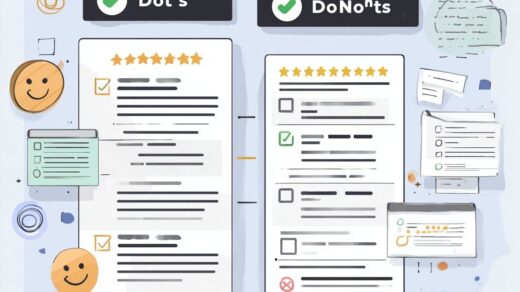
Looking for a way to turn satisfied customers into enthusiastic advocates? Asking for reviews can feel daunting, but it’s a game changer for your business. Reviews not only build trust but also enhance your online presence and online reputation. In this guide, we’ll share in-person and phone scripts tailored for different scenarios, plus best practices to ensure your requests resonate. Get ready to elevate your review game and discover how to turn every interaction into a potential review!
Importance of Customer Reviews

Customer reviews play a significant role in influencing 85% of purchasing decisions, making them an essential element of any effective marketing strategy.
Proper management of reviews can greatly enhance your online presence. For example, businesses that maintain positive reviews often experience a 30% increase in sales, highlighting the necessity of actively collecting and responding to customer feedback.
Companies such as Amazon have successfully capitalized on this by encouraging reviews and prominently displaying top-rated products, which in turn boosts their credibility.
To effectively manage your customer reviews, consider utilizing tools like Trustpilot to collect genuine feedback and Google Alerts to monitor any mentions of your brand. This proactive strategy allows you to promptly address any issues, thereby building trust and encouraging customer loyalty and brand loyalty.
Overview of Review Platforms
Familiarity with prominent review platforms such as Google My Business, Yelp, and Trustpilot is crucial for effectively managing customer feedback and reputation management. To determine the best platform for your business, it is helpful to consider the following comparisons:
| Platform Name | Key Features | Cost | User Base |
|---|---|---|---|
| Google My Business | Integrates with search, mobile-friendly | Free | Broad, global reach |
| Yelp | Targeted audience, ad options | Free-$299/month | Local consumers |
| Trustpilot | Customer insights, review management | Free basic, additional advanced tiers | Brands and retailers |
It is important to prioritize your choice based on your target audience, the specific features you require, and your budget constraints. By doing so, you will be well-equipped to maximize your engagement and reputation management efforts across these platforms.
In-Person Review Request Scripts
Requesting in-person reviews can be highly effective, as studies show that 70% of customers are more likely to provide feedback when approached face-to-face. This personal touch often encourages more thoughtful and positive responses.
Greeting and Context Setting
It’s wonderful to learn that you appreciated your visit today. Your feedback is truly invaluable to us.
To enhance the personalization of our future communications, I encourage you to consider sharing details about your preferences and interests. Utilizing a Customer Relationship Management (CRM) tool, such as HubSpot or Zoho, can assist in tracking this information effectively.
For example, if a customer has a passion for gardening, we could provide them with tailored updates regarding new plant arrivals or seasonal promotions. By leveraging data in this manner, we not only improve the customer experience but also foster greater engagement and loyalty.
Additionally, a simple gesture, such as referencing a past purchase in your next review request email, can significantly strengthen the connection we share.
Timing the Request
Timing your review requests is essential; research indicates that 67% of customers prefer to be approached immediately after the completion of a service or post-service follow-up. To enhance the likelihood of receiving positive feedback, consider implementing the following strategies:
- Request reviews right after a successful service interaction, such as completing a repair or delivering a product.
- Follow up within 24 hours to take advantage of the customer’s recent experience while it is still fresh in their mind.
- Utilize tools like Mailchimp to automate these requests, enabling you to send personalized emails that resonate with individual customers and enhance the review process.
- Including a ‘thank you’ message along with your review request can reinforce positive feelings and significantly boost response rates.
Sample Scripts for Different Scenarios

Having tailored customer service scripts for various scenarios can significantly enhance the likelihood of receiving reviews and improve the consistency of your requests.
It is beneficial to consider creating scripts for different contexts, such as a dining experience, a service repair, and a consultation appointment.
For instance, in a dining scenario, your script could start with, “Hello! We hope you enjoyed your meal. Could you share your thoughts on our service today?” In the case of a service repair, you might ask, “Thank you for choosing us! How satisfied are you with the repairs made?”
It is also important to adapt these scripts based on customer behavior. If a customer appears particularly enthusiastic, encourage them to elaborate on specific aspects of their experience. This personalized approach can lead to more valuable feedback and more meaningful interactions.
Phone Review Request Scripts
Phone requests for reviews can result in significantly higher engagement rates, particularly when approached with careful thought and proper preparation, utilizing effective phone etiquette.
Preparing for the Call
Preparation before making a call is essential, as having customer details readily available can significantly enhance confidence and enable a more personalized approach to customer communication.
It is advisable to begin by reviewing the service history of the customer, which provides valuable insights into their previous interactions and preferences. Setting a positive tone from the outset is crucial for establishing rapport; it’s important to remember that enthusiasm can be quite contagious.
Additionally, preparing a brief script can serve as a helpful guide for navigating the conversation while still allowing for flexibility. Choosing an appropriate time to call is important as well, ideally when the customer is likely to be available and receptive.
Finally, ensuring that feedback channels are in place is critical. Utilizing tools like HubSpot CRM can facilitate the collection of insights, ultimately improving future interactions.
Effective Opening Lines
An engaging opening line can effectively capture a customer’s attention and establish a positive tone for the conversation. For example, in the hospitality industry, one might say, “Hi [Name], I hope you enjoyed your recent experience with us!” This approach conveys warmth and acknowledges their interaction.
In the tech sector, a more casual greeting, such as “Hey [Name], thanks for diving into our latest updates-what did you think?” can spark curiosity and invite valuable feedback.
In retail, consider adding a personalized touch with something like, “Hi [Name], we noticed you loved our spring collection. What caught your eye?” Tailoring your opening line to the recipient’s context demonstrates attentiveness and can significantly enhance engagement.
Handling Objections
Anticipating and effectively addressing objections during review requests can greatly enhance customer trust and their willingness to engage.
When dealing with common objections, it can be beneficial to adopt direct approaches. For example, if a customer expresses concern about lacking time, sending a straightforward SMS or email with a direct link to the review page can be quite effective.
It is also important to personalize your message by referencing their specific experience, as this helps to establish a connection. Additionally, offering an incentive, such as a discount on their next purchase, can motivate them to participate.
After a few days, it is advisable to follow up politely to remind them, highlighting how their feedback contributes to the improvement of your service. This approach encourages participation while being mindful of their time constraints.
Best Practices for Review Requests

Implementing best practices for requesting reviews can greatly enhance collection efforts while also improving overall customer satisfaction. This approach ensures that customers feel valued and encourages them to share their positive experiences.
Personalization Techniques
Personalizing review requests can significantly enhance response rates, potentially increasing them by up to 50%, and making customers feel truly valued.
To effectively personalize these requests, it is important to begin by addressing customers by their names and referencing their previous interactions and client feedback. For example, if a customer recently purchased a specific product, you might say, “We hope you’re enjoying your new Bluetooth speaker!”
Additionally, segmenting your email list based on purchase history allows for even more tailored follow-ups. Utilizing tools such as Mailchimp can streamline the automation of these personalized messages and review outreach.
Notably, companies like Amazon have successfully adopted this strategy, leading to a substantial boost in their review rates by fostering genuine connections with their customers.
Follow-Up Strategies
Effective follow-up can serve as a valuable reminder for customers to leave reviews while demonstrating that their feedback is appreciated. To establish a robust follow-up system, consider implementing the following three methods:
- Sending personalized email reminders and review incentives two days after a purchase.
- Expressing gratitude with a thank-you message and customer appreciation.
- Engaging on social media by sharing user-generated content and client testimonials.
It is advisable to schedule emails shortly after delivery to maximize their impact. Utilizing platforms such as Mailchimp can help automate these reminders, ensuring no customer is inadvertently overlooked. Additionally, aim to send thank-you messages approximately one week after the purchase to reinforce customer loyalty.
Periodically sharing reviews on social media can also be beneficial for client engagement; this can be done on a monthly basis to keep your audience engaged and remind them of the value of your product.
Measuring Success of Review Requests
Measuring the success of review requests is crucial for refining your strategy and enhancing future engagement. By evaluating how effective your current approach is, you can identify areas for improvement and make informed adjustments that will lead to better outcomes.
Tracking Engagement Metrics
Key performance indicators (KPIs) such as response rates and the total number of reviews collected play a vital role in assessing the effectiveness of your strategies. To effectively track and optimize these KPIs, it is important to focus on specific metrics.
For instance, you might aim for a response rate of 10-20% to measure customer engagement and client satisfaction, and strive for at least 10 reviews each month.
Additionally, you can utilize sentiment scores from platforms like Google Analytics to gauge customer sentiment. Tools such as ReviewTrackers can simplify this process by aggregating feedback from various sites into a single dashboard.
By regularly analyzing this data, you can make informed adjustments to your engagement strategies, identify emerging trends, and ultimately enhance your business growth strategies.
Adjusting Strategies Based on Feedback

Adjusting review request strategies in response to customer feedback can significantly enhance satisfaction metrics and foster loyalty over time.
To effectively analyze customer feedback, it is beneficial to categorize reviews into themes, focusing on aspects such as service quality, product features, and item availability, to improve service interactions.
Utilizing tools like Google Forms for surveys, along with platforms such as Trustpilot or SurveyMonkey for gathering insights, can streamline this process. After identifying key areas for improvement, it is essential to implement changes promptly, which may involve training staff based on the feedback received or making adjustments to inventory.
For instance, Zappos successfully restructured its customer service model after recognizing persistent complaints regarding shipping delays, which ultimately led to a noticeable increase in satisfaction survey scores and customer satisfaction.
Frequently Asked Questions
1. How can my team effectively ask for reviews in person?
To ask for reviews in person, your team can use post-service scripts that are specifically tailored for this purpose. These scripts should be concise, friendly, and non-intrusive, making customers feel comfortable and willing to leave a review.
2. What should be included in a post-service script for asking for reviews?
A good post-service script for asking for reviews should include a personalized greeting, a brief statement thanking the customer for their business, and a request for their feedback or review. It should also provide information on where and how to leave the review.
3. Can my team use post-service scripts for asking for reviews over the phone?
Yes, post-service scripts can be used for asking for reviews over the phone as well. The key is to make the script sound natural and conversational, rather than scripted. This will make customers more inclined to leave a review.
4. How can my team handle negative reviews when asking for feedback?
In the case of negative reviews, your team should approach the situation with empathy and understanding. Apologize for any inconvenience the customer may have experienced and try to resolve the issue. This can turn a negative review into a positive one.
5. How many times should my team ask for a review before giving up?
It is important for your team to be persistent but not pushy when asking for reviews. If a customer declines to leave a review, they should not be asked again. However, it is acceptable to send a gentle reminder after a few weeks or months.
6. Should my team only ask for reviews from satisfied customers?
No, your team should also ask for reviews from customers who may have had a less than perfect experience. This provides an opportunity to address any issues and improve customer satisfaction. Every review, positive or negative, helps to build a strong online reputation for your business.