
In a world where choices are abundant, how do you convince potential customers that your product or service is the right one? Enter social proof: a powerful tool that can sway opinions and drive purchases. But when it comes to showcasing that proof, should you opt for flashy review widgets or seamless native embeds? We’ll dive into what each option offers, their unique benefits, and real-life examples to help you decide which fits best for your business. Curious yet? Let’s unravel the mystery!
Definition and Importance

Social proof can be categorized into five distinct types, each playing a vital role in influencing consumer behavior and building trust in a brand. These types include powerful trust signals:
- Expert endorsements
- Customer testimonials and feedback loops
- Social media validation
- User-generated content
- The wisdom of crowds
For example, utilizing testimonials from satisfied customers can significantly enhance a brand’s credibility; showcasing these on your website has the potential to increase conversion rates and improve audience engagement. Similarly, engaging users through social media platforms allows them to share their experiences, effectively leveraging community influence for digital engagement.
Tools such as Yotpo for managing reviews and BuzzSumo for tracking social mentions can assist in amplifying these elements. By doing so, brands can foster a deeper connection with potential customers through effective reputation management.
Types of Social Proof
Types of social proof encompass expert endorsements, user reviews, testimonials, social media shares, and the wisdom of the crowd, with each element uniquely contributing to building audience trust and boosting brand credibility.
Expert endorsements, particularly from respected industry leaders or influencers, can significantly enhance credibility and positively affect brand perception. For instance, collaborating with a well-known figure to review your product could generate testimonials that attract their followers.
User reviews also play a crucial role; by integrating positive Yelp or Google reviews directly on your website, you can foster greater trust among visitors and enhance digital experiences. Additionally, showcasing social media shares reflects engagement, and utilizing tools like Hootsuite can effectively track and promote these interactions.
Lastly, displaying aggregate ratings can leverage the wisdom of the crowd, reassuring potential customers about the value of your product.
Understanding Review Widgets
Review widgets serve as valuable tools that collect and display user-generated content, including ratings and reviews, directly on a website, improving information hierarchy.
By integrating these widgets, businesses can enhance their credibility and improve conversion rates through effective website conversion strategies.
What are Review Widgets?
Review widgets come in various forms, ranging from simple star ratings to comprehensive review aggregators such as Trustpilot and Yotpo, which are designed to integrate seamlessly with different eCommerce platforms. These tools function by collecting user-generated reviews from customers and prominently displaying them on product pages.
For example, Trustpilot enables businesses to showcase verified reviews, thereby enhancing their credibility. Yotpo, on the other hand, not only aggregates reviews but also enriches them with user photos, promoting deeper engagement.
Implementing these widgets can significantly boost user trust and conversion rates. In fact, studies indicate that displaying genuine feedback can increase the likelihood of purchase by up to 50%. Additionally, utilizing plugins like Widgetic can streamline the integration process across various platforms, improving platform compatibility.
Benefits of Using Review Widgets
Implementing review widgets can significantly enhance conversion rates, potentially increasing them by up to 30%. This is largely due to the social proof they provide, which helps reassure potential customers and enhance customer trust.
To make the most of review widgets, it is advisable to select a reputable provider, such as Trustpilot or Yotpo. Both of these platforms offer straightforward integration options for your website, thereby enhancing its credibility and improving content management systems (CMS) integration.
For example, Yotpo provides customizable widgets that prominently display customer reviews, while Trustpilot offers automated tools for collecting reviews efficiently and enhancing online reputation.
It is important to feature reviews from credible sources prominently on product pages and in social media advertisements. By regularly updating these reviews and actively responding to customer feedback, you can cultivate a sense of community and trust, which in turn can further boost conversions and foster customer loyalty and brand advocacy.
Exploring Native Embeds
Native embeds refer to media content obtained from third-party platforms that are seamlessly integrated into your website. This integration enhances user engagement by providing dynamic visuals that capture attention and enrich the overall experience, enhancing the user interface.
What are Native Embeds?

Native embeds make use of HTML5 codes and JavaScript to seamlessly integrate content from platforms such as Twitter and Instagram directly into your website, enhancing the user experience. By utilizing these native embed codes, you can display rich media without the need to host it yourself, thereby improving embedding techniques.
For example, Twitter provides an easy option to embed tweets. To do this, simply click the down arrow on the tweet and select ‘Embed Tweet.’ Similarly, Instagram offers embed codes that can be accessed by clicking the three dots on a post, allowing you to share images and videos directly on your site.
These embeds significantly enhance your visual content strategy by boosting engagement and delivering authentic, interactive experiences for your audience. Ultimately, this approach can drive more traffic to your site and improve performance metrics.
Advantages of Native Embeds
Native embeds have the potential to significantly enhance mobile responsiveness and improve user experience, resulting in up to a 50% increase in user interactions and digital engagement when implemented effectively.
The SEO advantages of native embeds are equally noteworthy. Search engines tend to favor content that provides a superior user experience, and websites that incorporate native embeds can see as much as a 30% increase in organic traffic and digital marketing benefits.
For instance, a blog post that includes a native tweet or an Instagram post can encourage users to spend more time on the page and engage more deeply with the content, enhancing content curation. Additionally, platforms like Facebook provide valuable insight tools to monitor engagement metrics, enabling marketers to refine their strategies based on actual data for better analytics.
In summary, implementing native embeds can significantly transform content reach and enhance user satisfaction through improved content optimization.
Comparative Analysis: Widgets vs. Native Embeds
It is important to understand the differences between widgets and native embeds, as this knowledge plays a crucial role in optimizing user engagement and achieving your marketing objectives through strategic content display.
Visual Appeal and User Experience
Widgets generally provide a more customizable visual experience, while native embeds allow for a more cohesive integration of external content into your site’s design. When deciding between widgets and native embeds, it is important to consider both functionality and aesthetics in design principles.
For instance, custom widgets can enhance interactivity, such as integrating a Twitter feed that aligns with your site’s color scheme. On the other hand, a native embed from YouTube maintains consistency with the hosting platform’s design, ensuring a seamless user experience and preserving visual consistency.
Websites like Mashable effectively utilize native embeds for video content, resulting in higher engagement rates compared to those that rely solely on widgets, which can sometimes distract from the overall presentation.
Additionally, tracking user behavior can provide valuable insights into which option enhances your site’s performance metrics.
SEO Implications
Utilizing rich snippets from widgets can significantly improve search visibility, while incorporating native embeds can enhance dwell time and reduce bounce rates, both of which positively impact SEO benefits.
To maximize the benefits of SEO, it is advisable to employ both strategies thoughtfully. For example, implementing rich snippets through Schema Markup for FAQs or product listings can lead to higher click-through rates. Conversely, the inclusion of native embeds, such as videos or interactive infographics, encourages users to remain on your page longer, promoting deeper engagement and improving website usability.
Consider a case study where a retail site that added rich snippets experienced a remarkable 20% increase in organic traffic. In contrast, a blog that utilized native video embeds saw a 30% reduction in bounce rates. This illustrates the effectiveness of a dual approach in enhancing overall SEO performance and achieving better performance benchmarks.
Case Studies and Examples
Real-world case studies effectively demonstrate how businesses can successfully utilize review widgets and native embeds to enhance trust and engagement on their platforms, enhancing lead generation.
Successful Use of Review Widgets
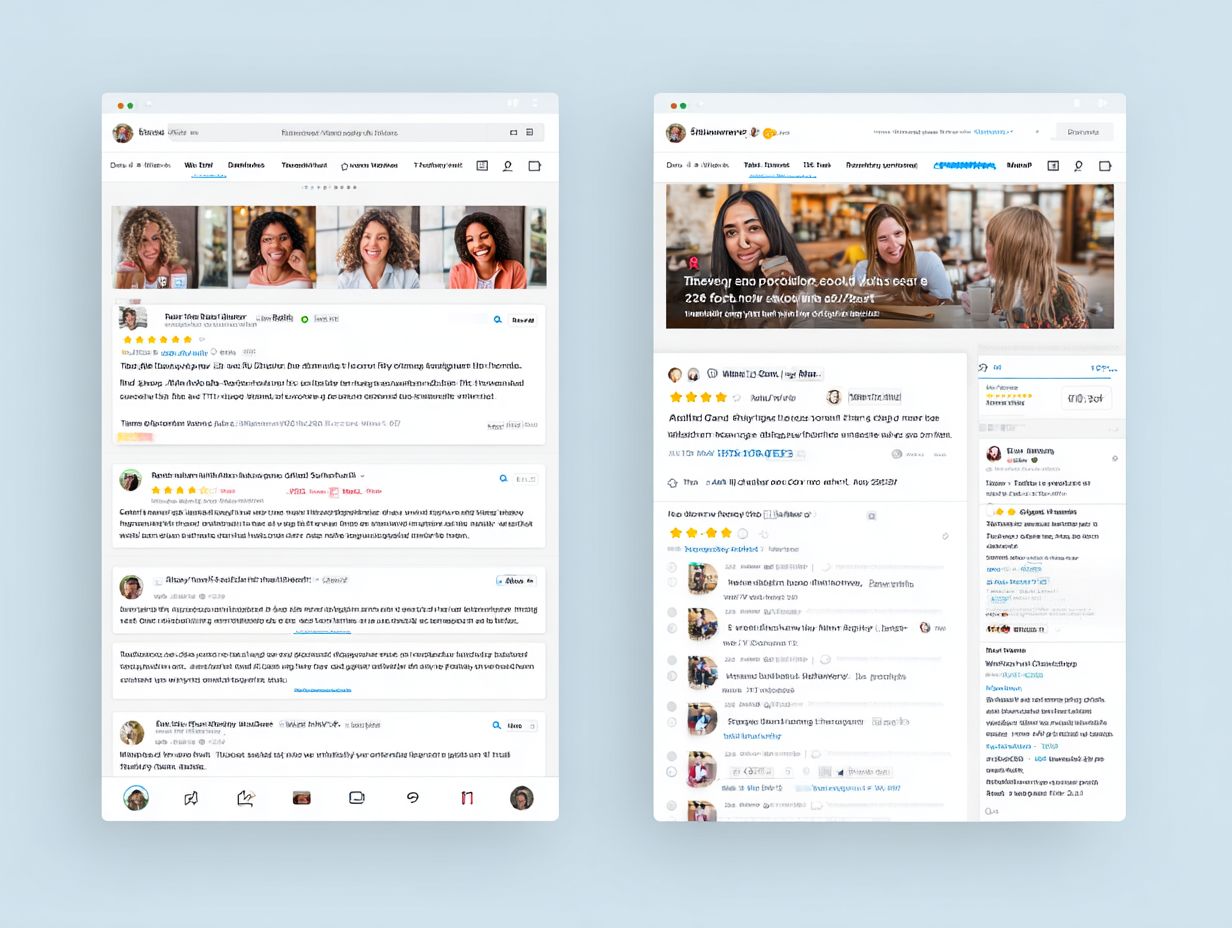
A leading eCommerce site experienced a remarkable 25% increase in sales after integrating review widgets from Yotpo, illustrating the significant impact of user-generated content and audience retention. This site utilized Yotpo’s review widget to prominently display customer reviews on product pages, which helped to build trust and encourage more visitors to make purchases.
By strategically positioning these widgets near product descriptions and images, the site saw a notable increase in customer engagement and improved engagement metrics. They took advantage of Yotpo’s analytics feature to track which reviews were driving the most conversions.
This data proved invaluable, allowing them to refine their marketing strategies and enhance product offerings based on customer feedback. Ultimately, the integration of user reviews not only led to increased sales but also fostered deeper relationships with customers.
Effective Native Embed Implementations with Interactive Elements
Buzzfeed experienced a remarkable 40% increase in article shares by embedding native video content from social platforms, which highlights the effectiveness of incorporating dynamic media and boosting social media integration.
Other businesses have encountered similar success by integrating native embeds and enhancing website design. For example, The New York Times reported a 30% rise in reader engagement after they added Instagram photos to their articles, benefiting from improved visual storytelling.
To replicate this successful strategy and optimize SEO benefits, it is important to select platforms that resonate with your target audience. For instance, TikTok may be ideal for younger demographics, while LinkedIn could be more suitable for professionals, considering their social influence.
Utilizing analytics tools such as Google Analytics or insights from social media can help you track performance metrics effectively, facilitating real-time updates and performance analysis.
By adjusting your content based on these insights, you can enhance user interaction and shares, all while constructing a cohesive digital strategy and improving user motivation.
Choosing the Right Option for Your Business and Marketing Strategy
Choosing between review widgets and native embeds really hinges on your specific business objectives, the needs of your audience, and your overall content strategy.
It’s important to carefully consider these factors to make the most effective decision for your situation.
Assessing Your Audience and Goals with A/B Testing
Understanding your audience’s preferences, along with your specific business goals, can significantly influence whether review widgets or native embeds will be more effective for your needs, impacting your CMS integration and customization options.
To assess your audience’s preferences and optimize HTML code and JavaScript elements, it may be beneficial to deploy surveys using tools like SurveyMonkey or Google Forms. These platforms enable you to create targeted questions that explore how customers engage with reviews, contributing to data presentation.
Additionally, consider utilizing Google Analytics to track visitor behavior and site speed. By analyzing the pages where reviews are prominently featured, you can gain valuable insights into user interaction and call-to-action effectiveness.
Based on this data, if it appears that your audience favors detailed testimonials, native embeds could enhance your credibility and trust indicators. On the other hand, if brevity is more important, review widgets that summarize feedback might be a more suitable option.
Cost Considerations and Feature Comparison
Review widgets typically range from free options to around $300 per month, while native embeds can also be free or may incur costs for premium content. This makes budget analysis essential for lead nurturing and responsive design.
When considering your budget, it is important to weigh both the upfront and ongoing costs. For example, using free widgets like social media share buttons can lead to savings and improve shareability, but they may lack the level of customization and support you might desire.
Conversely, premium tools such as Elfsight, which starts at $5 per month, provide advanced widget features and analytics that can significantly enhance user engagement and data visualization. Native embeds, like YouTube videos, are often free to use, but it is wise to account for potential licensing fees if you opt for premium music or professional content.
Ultimately, it is crucial to assess the potential return on investment by evaluating how each option aligns with your audience’s needs and your overall engagement objectives, considering HTML code optimization and emotional appeal.
Final Thoughts on Social Proof Strategies and Trustworthiness
The decision between using review widgets and native embeds should ultimately reflect your broader marketing strategy and cater to the expectations of your target audience, enhancing social validation and user interactivity.
To arrive at this decision, it is important to evaluate your audience’s preferences and layout design. For example, if your audience values in-depth information, incorporating review widgets that showcase user experiences may prove advantageous for customer journey mapping. On the other hand, if they prefer straightforward content, native embeds that provide seamless integration and a clean visual appeal might be more appropriate for visual hierarchy.
Consider utilizing tools like Widgetbox for customizable widgets, or explore plugins such as Embedly to facilitate the easy embedding of reviews and optimize interface elements.
Additionally, analyzing user engagement metrics over time can help refine your choice and improve keyword optimization. By carefully assessing these options, you can enhance user experience and ultimately drive conversions.
Frequently Asked Questions

What are review widgets and native embeds?
Review widgets and native embeds are two different methods of showcasing social proof on a website. Review widgets are third-party tools that display customer reviews and ratings on a website, while native embeds are embedded social media posts that feature customer testimonials or feedback.
How do review widgets and native embeds differ?
Review widgets are usually customizable and can be placed anywhere on a website, while native embeds are limited to the layout and design of the social media platform. Review widgets also often have additional features such as filtering options and analytics, while native embeds offer a simpler display of social proof.
Which one is more effective in showcasing social proof?
Both review widgets and native embeds can be effective in showcasing social proof, but the best option may depend on the specific needs of a website. Review widgets offer more control and customization options, while native embeds offer a more authentic and visually appealing display of social proof.
Can review widgets and native embeds be used together?
Yes, review widgets and native embeds can be used together to create a more comprehensive display of social proof on a website. For example, a website could use a review widget on their homepage and native embeds on their product pages or social media feeds.
Do review widgets and native embeds have any drawbacks?
One potential drawback of review widgets is that they may require a subscription or fee, while native embeds are typically free. However, review widgets often offer more features and customization options that may justify the cost. Native embeds may also require some coding knowledge to embed on a website.
Which option is best for my website?
The best way to showcase social proof on your website may depend on your specific needs and goals. Consider the features and customization options of review widgets and the authenticity and visual appeal of native embeds, and choose the option that aligns with your website’s overall design and branding.