Mae Moreno

Boost Local SEO: Mastering Review Keywords in Replies

Looking to give your local SEO a serious lift? It’s all about utilizing the strength of reviews. Not only do they shape your online reputation, but the right keywords in your responses can skyrocket your visibility. In this guide, we’ll explore how to identify review keywords, craft engaging replies, and measure the impact of your efforts. Ready to turn your customer feedback into a local SEO game-changer? Let’s dive in!

Importance of Local SEO

Importance of Local SEO

Investing in local SEO significantly enhances brand visibility and boosts your digital footprint, as 46% of all Google searches are local in nature. This emphasis on local search opens up valuable opportunities for small businesses to attract customers in their vicinity.

For example, a coffee shop that properly optimizes its Google My Business listing can achieve higher local rankings in search results, especially if it includes updated hours, customer reviews, and appealing photographs, thus enhancing its online reputation. Utilizing local keywords, such as “best coffee in [city],” within website content can effectively engage community members.

Additionally, tracking performance through tools like Google Analytics allows businesses to refine their SEO strategy by revealing which local searches contribute to increased foot traffic and sales.

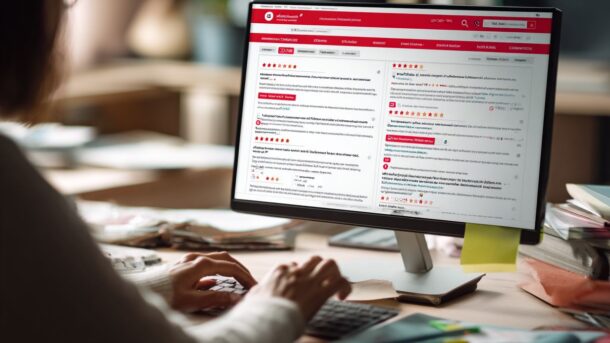
Role of Reviews in Local SEO and Review Management

Reviews play a significant role in local SEO and search engine visibility, with businesses experiencing an average increase of 18% in local rankings when they uphold a strong review presence. For instance, a restaurant that maintains a consistent 4.5-star rating with over 100 reviews is likely to perform better in local searches compared to a competitor that has only 20 reviews with a 3-star rating.

Utilizing tools like Google My Business enables businesses to easily collect and respond to reviews, fostering engagement and review generation, and encourages additional feedback. Additionally, monitoring platforms such as ReviewTrackers can help track review trends and sentiments over time, allowing businesses to adjust their strategies accordingly.

Placing emphasis on customer feedback and review responses not only enhances rankings but also improves the overall reputation and customer satisfaction of the business.

Understanding Review Keywords and Keyword Optimization

Review keywords refer to the specific terms that potential customers utilize when searching for products and services, playing a crucial part in local search optimization. These keywords can significantly influence search visibility and play a crucial role in how easily customers can find what they are looking for.

What Are Review Keywords?

Review keywords encompass terms such as “best,” “top-rated,” and “customer reviews,” which aid businesses in aligning with consumer search intentions and user intent. These keywords not only attract traffic but also enhance conversion rates.

For example, an e-commerce website specializing in kitchen appliances could effectively utilize “best blenders 2023” in their product descriptions and meta tags to capture consumer interest and increase online visibility.

Additionally, leveraging user-generated content, such as customer reviews, can significantly enhance credibility, build trust signals, and improve search rankings. Tools like SEMrush and Ahrefs are valuable resources for identifying effective review keywords through competitive analysis. This ensures that your content resonates with potential buyers and increases visibility in search results.

Types of Review Keywords

There are three key types of review keywords: generic, branded, and long-tail keywords, each serving distinct purposes in attracting local traffic and ensuring keyword relevance.

Generic keywords, such as “best coffee maker,” are valuable for capturing broad interest and achieving high search volume, making them essential for generating general traffic and enhancing brand awareness.

On the other hand, branded keywords, like “Keurig coffee maker review,” connect users to specific brands, thereby enhancing conversion potential and brand loyalty among consumers who are loyal to those brands.

Long-tail keywords, for instance, “affordable single-serve coffee maker for small kitchens,” allow you to target niche audiences, improving contextual keywords targeting, which typically results in less competition and higher engagement rates.

By integrating all three types into your keyword strategy, you can ensure broad visibility while effectively addressing specific customer needs, ultimately driving both traffic and conversions.

How to Identify Review Keywords

Identifying review keywords involves a combination of strategic tools and competitor analysis, key components of a solid search algorithms understanding. This approach is essential to ensure that the keywords are both relevant and effective for local SEO.

Tools for Keyword Research and Keyword Analysis

Tools for Keyword Research and Keyword Analysis

Utilizing tools such as SEMrush ($119.95/month), Ahrefs ($99/month), and Google Keyword Planner (free) allows businesses to effectively uncover valuable review keywords and conduct thorough keyword analysis. SEMrush offers comprehensive keyword analytics, including search volume and trend data, which is ideal for identifying high-traffic opportunities.

Ahrefs, in contrast, excels in backlink analysis, providing users with a clear understanding of the competitive landscape and facilitating competitor analysis. For those just starting out, Google Keyword Planner is an excellent, cost-effective solution that offers insights into keyword difficulty and potential advertising costs.

Each of these tools can be strategically employed for specific purposes:

  • SEMrush can be used for in-depth analysis,
  • Ahrefs is great for competitor research,
  • and Google Keyword Planner is particularly useful for PPC campaigns.

By integrating the insights gained from these tools, businesses can effectively refine their SEO strategies and improve their search queries handling.

Analyzing Competitor Reviews

Analyzing competitor reviews provides valuable insights into effective keywords and customer sentiments through sentiment analysis, which can highlight opportunities for improvement. To conduct a thorough review of competitor feedback, it is advisable to focus on three major platforms: Yelp, Google My Business, and Trustpilot. Here are the steps to follow:

  1. Collect Reviews: Begin by gathering a selection of reviews from each platform, ideally covering the past year to gain a comprehensive perspective.
  2. Categorize Feedback: Organize the comments you collect into key themes, such as product quality, customer service, and pricing issues.
  3. Track Metrics: Measure sentiment scores-classifying them as positive, neutral, or negative-and tally the frequency of specific keywords.
  4. Analyze Patterns: Identify recurring trends, such as frequent mentions of “great service” or “slow shipping,” to pinpoint areas where you can surpass your competition.

Crafting Effective Replies

Crafting effective responses to customer reviews is not only a great way to enhance engagement and audience engagement but also plays a vital role in supporting overall local SEO strategies.

Incorporating Review Keywords

Incorporating relevant review keywords into your responses can significantly enhance search visibility and resonate with customers, given that 72% of consumers take the time to read a business’s replies to reviews.

To effectively integrate keywords into your responses, begin by identifying the terms commonly used in your industry and align them with keyword optimization practices.

  • For example, if you operate in the restaurant sector, phrases such as “great service,” “delicious food,” or “atmosphere” can prove beneficial.

It is essential to structure your replies naturally. Instead of saying, “Thank you for the great service review,” consider phrasing it as, “We’re thrilled you enjoyed our delicious food and fantastic service!”

Utilizing tools like Google Keyword Planner can aid in discovering popular phrases to incorporate. It’s also important to remember that authenticity is key-ensure your responses feel genuine and engage directly with customer feedback.

Maintaining a Positive Tone

Maintaining a positive tone in responses to reviews significantly enhances customer loyalty. Research indicates that friendly interactions can lead to a 33% higher likelihood of repeat business.

To cultivate this positive tone, it is essential to first acknowledge the reviewer’s feelings, enhancing reputation management. For instance, if a customer expresses frustration about a delayed delivery, a suitable response would be, “Thank you for your feedback and understanding! We truly value your patience.” This approach conveys empathy and understanding.

Additionally, providing constructive resolutions can make a difference; offering a discount on their next purchase as a gesture of goodwill is a great example of customer trust building. It is important to keep the language upbeat and solution-focused, ensuring that even critical feedback is viewed as an opportunity for improvement.

Regular training for your team on these response techniques can further enhance consistency in communication, improve user engagement, and approach.

Measuring the Impact and Business Growth

Measuring the impact of local SEO and customer reviews is essential for comprehending their effectiveness in generating organic traffic, voice search optimization, and conversions.

By analyzing these factors, one can gain valuable customer insights into how well they are performing and where improvements may be needed.

Tracking Keyword Performance and Audience Engagement

Tracking Keyword Performance and Audience Engagement

Utilizing tools such as Moz, which starts at $99 per month, and Google Analytics, which is free, businesses can efficiently monitor the performance of their review-related keywords and improve positioning strategy.

To establish effective tracking, it is essential to first define key performance indicators (KPIs) such as click-through rate (CTR), organic traffic, business credibility, and conversion rates associated with reviews.

In Google Analytics, one can easily navigate to the ‘Admin’ section and select ‘Goals’ under the ‘View’ column to set up conversions based on visits to review pages, facilitating digital marketing efforts.

Additionally, Moz can be employed to identify high-ranking keywords and to compare their performance over time, supporting data-driven SEO efforts.

Regular analysis of this data on a weekly basis will allow for adjustments to your SEO strategy, ensuring that you are targeting the most effective keywords, enhancing keyword optimization for driving organic traffic to your site.

Adjusting Strategies Based on Customer Feedback

Regularly adjusting strategies based on customer feedback and reputation management can result in a notable 15% improvement in overall conversion rates within a six-month period. To effectively analyze this feedback, it is advisable to utilize tools such as SurveyMonkey for comprehensive surveys and Google Forms for quick polls.

Establishing a timeline for collection and analysis is essential; aiming for bi-monthly reviews allows for agility in response, providing valuable customer insights. For actionable insights, it is helpful to categorize the feedback into distinct themes, such as product usability and customer service.

Additionally, assigning a responsible team member to develop strategic adjustments based on these insights can streamline the process. As changes are implemented, it is important to monitor their impact over the next quarter to assess effectiveness. This ongoing feedback loop will ensure that your strategies remain relevant and responsive to customer needs.

Best Practices for Local SEO, Online Visibility, and Reviews

Implementing best practices for local SEO and managing reviews can greatly improve a business’s online visibility, enhancing search engine visibility and fostering better customer engagement.

When a business takes these steps, it not only attracts more potential customers but also builds a stronger relationship with its existing clientele.

Encouraging Customer Feedback

Encouraging customer feedback can increase review volume by as much as 25%, thereby enhancing local SEO, review acquisition, and fostering customer trust.

To effectively solicit customer reviews, it is advisable to implement targeted strategies for review generation. One effective approach is to use follow-up emails, utilizing tools such as Mailchimp, which offers plans starting at $10 per month.

Personalizing these emails with incentives, such as discounts or exclusive offers, can significantly prompt customer responses and positively impact brand loyalty. Additionally, training staff to request reviews during the checkout process can also be beneficial; even simple prompts can lead to a notable increase in participation.

Moreover, leveraging social media platforms to encourage reviews can help reach a broader audience, enhancing community engagement. Metrics indicate that businesses employing these strategies often experience an increase in review rates, which positively impacts their online presence and overall trustworthiness.

Responding to Negative Reviews and Building Brand Reputation

Responding promptly to negative reviews can significantly mitigate damage and enhance public perception, as 70% of consumers believe it demonstrates that the brand genuinely cares, positively impacting your online reputation and brand credibility. To ensure an effective response, consider following these steps:

  1. Begin by acknowledging the reviewer’s feelings with a statement such as, “I’m sorry to hear you had a negative experience.”
  2. Next, address the specific issue they raised. For instance, if the reviewer mentions a long wait time, you might say, “We’re currently experiencing delays due to high demand and are actively working to improve this situation.”
  3. Finally, invite the reviewer to discuss the matter privately by providing a means of contact, such as, “Please reach out to us at support@example.com so we can assist you further.”

This balanced approach not only helps rebuild trust, fostering user-generated content, but also has the potential to convert a dissatisfied customer into a loyal one.

Frequently Asked Questions on Review Keywords and Local SEO Optimization

1. What are review keywords and how can they help boost my local SEO and enhance search engine visibility?

1. What are review keywords and how can they help boost my local SEO and enhance search engine visibility?

Review keywords are specific terms or phrases that customers use when leaving reviews for your business, contributing to keyword relevance. These keywords can help boost your local SEO by providing valuable content for search engines to index and rank your business.

2. How should I use review keywords in my replies to customer reviews?

The key is to use review keywords naturally and strategically in your replies. Avoid overusing them or using them in a way that feels forced. Incorporate them into your responses in a way that makes sense and adds value to the conversation.

3. Can I use review keywords in any type of review response for better engagement?

Yes, you can use review keywords in responses to both positive and negative reviews. Just make sure to tailor your response to the specific review and use the keywords in a way that is relevant to the customer’s experience.

4. How can I find the most relevant review keywords for my business?

Start by conducting competitor analysis and analyzing the reviews for your business, identifying the common terms and phrases that customers use. You can also use tools like Google’s Keyword Planner to research popular keywords in your industry and location.

5. Is it important to include location-specific review keywords in my replies?

Yes, including location-specific review keywords can be highly beneficial for boosting your local SEO through geographic targeting. These terms can help improve your business’s visibility in local search results and attract potential customers in your area.

6. Can using review keywords in my replies really make a significant difference in my local SEO, increasing your digital footprint?

Absolutely. By incorporating relevant review keywords in your responses, you are providing search engines with more content to index and rank your business. This can help improve your overall local SEO and ultimately attract more customers to your business.


Navigating HIPAA-Safe Review Requests: A Practical Guide

Navigating the world of healthcare reviews can feel like walking a tightrope-one wrong step and you risk a HIPAA slip-up! Understanding how to gather patient feedback while safeguarding privacy is crucial. In this practical guide, we’ll break down HIPAA basics, explore types of review requests, and share best practices for collecting and responding to feedback safely, while ensuring patient data security and privacy compliance. Ready to ensure your review process is both effective and compliant? Let’s dive in!

Understanding HIPAA Basics

Understanding HIPAA Basics

HIPAA, which stands for the Health Insurance Portability and Accountability Act, is crucial for governing the privacy and security of Protected Health Information (PHI). It directly influences how patient data can be utilized in reviews. Primarily, HIPAA applies to healthcare providers, health plans, and healthcare clearinghouses, which are collectively referred to as covered entities.

To ensure compliance with HIPAA, these organizations are required to implement strict measures. This includes:

  • Conducting regular training for staff on the proper handling of PHI
  • Utilizing encryption tools, such as BitLocker, to protect sensitive data
  • Adopting secure communication methods, like encrypted emails

It is important to note that failing to adhere to these regulations can result in severe penalties, including substantial fines and potential criminal charges. Thus, having a solid understanding of HIPAA is essential for anyone involved in healthcare administration.

Importance of Patient Privacy

Maintaining patient privacy is essential, as breaches can severely undermine trust and lead to significant legal consequences for healthcare providers. Studies indicate that 80% of patients surveyed would reconsider their choice of provider following a data breach.

To enhance patient confidentiality, healthcare organizations can adopt several important practices.

  1. First, it is advisable to conduct regular audits to identify vulnerabilities within the system, utilizing tools such as Nessus to assess security risks.
  2. Next, encrypting sensitive patient data is crucial, and software like VeraCrypt can be very effective in this regard.
  3. Finally, providing ongoing training for staff that focuses on data protection protocols and ethical guidelines is imperative.

These measures not only bolster security but also reassure patients, ultimately fostering their trust in your practice.

Types of Review Requests in Healthcare and Importance of Patient Consent

Healthcare providers need to navigate a range of review requests that can greatly improve their service quality and enhance patient satisfaction.

It’s essential to recognize the value of these reviews in understanding patient needs and expectations, and enhancing patient engagement through effective healthcare communication.

Patient Feedback and Testimonials in Healthcare Systems

Collecting patient feedback is incredibly valuable, as it offers insights that can lead to enhanced services and greater patient loyalty.

To effectively gather this feedback, consider using tools like SurveyMonkey or Google Forms. It is advisable to set up short, focused surveys to be sent out after appointments, ideally within 24 to 48 hours, in order to capture fresh impressions.

Tracking response rates is essential; aiming for at least a 30% return rate can be achieved by keeping surveys concise and relevant, ensuring patient-centered care and operational efficiency.

Many healthcare providers have found that showcasing patient testimonials on their websites significantly enhances trust and engagement. For example, a local clinic experienced a 25% increase in follow-up appointments after prominently featuring positive patient stories.

Clinical Reviews and Audits

Conducting clinical reviews and audits is essential for ensuring compliance with healthcare standards while fostering continuous improvement in patient care.

To initiate an effective clinical audit, one might consider utilizing tools like Qualtrics to gather and analyze patient data. It is important to begin by clearly defining the scope of the audit-whether it focuses on adherence to treatment protocols or patient outcomes-so that objectives are well established.

Next, relevant metrics such as patient satisfaction scores and compliance rates should be collected. A successful audit could potentially reveal a 30% reduction in compliance issues over a six-month period, ultimately leading to enhanced healthcare delivery.

It is also crucial to regularly reassess findings and implement necessary changes to uphold high standards, thereby nurturing a culture of quality improvement within the practice.

HIPAA Compliance Essentials and Healthcare Quality Assurance

HIPAA Compliance Essentials and Healthcare Quality Assurance

It is essential for healthcare providers to understand the fundamentals of HIPAA compliance in order to protect patient information and avoid significant fines.

Protected Health Information (PHI)

Protected Health Information (PHI) refers to any personal identifiers that can be associated with a patient, making its protection essential for compliance. Some common examples of PHI include names, addresses, Social Security numbers, and medical records.

To safeguard this sensitive information, it is advisable to use encryption tools such as BitLocker or VeraCrypt when sharing data. Additionally, implementing strict access controls-like role-based permission settings within your database system-can effectively limit who has the ability to view or manipulate PHI.

When handling review requests, it is important to ensure that only the necessary team members have access to this data, and utilizing secure portals for information transmission is highly recommended. Furthermore, conducting regular training on PHI handling can reinforce best practices among staff, promoting a culture of compliance and security.

Key Compliance Strategies

Implementing robust compliance strategies is essential for significantly reducing the risks associated with HIPAA violations and enhancing patient data security.

To ensure effective compliance, it’s advisable to incorporate staff training programs through reputable platforms like HIPAA Academy, which offers comprehensive courses on regulations and best practices.

Regular audits should be conducted every quarter to assess adherence and identify areas that require improvement. Tracking key metrics, such as a 40% increase in staff compliance scores after training, can provide tangible evidence of the effectiveness of these initiatives.

Establishing a culture of accountability is also vital. Creating clear reporting channels for potential breaches enables employees to take action when they notice issues, fostering an environment where everyone is invested in maintaining compliance and protecting patient data.

Best Practices for Collecting Reviews and Ensuring Patient Safety

Establishing best practices for collecting reviews can significantly enhance patient insights while ensuring the process remains safe and compliant with HIPAA regulations.

By implementing these best practices, organizations can create a more effective and secure way to gather feedback from patients.

Methods of Requesting Feedback

Utilizing effective methods to request feedback is essential for enhancing patient response rates. Digital tools like JotForm and personalized follow-up calls can significantly improve the likelihood of receiving input.

When gathering feedback, it is advisable to time your requests thoughtfully-ideally within a week after an appointment. Email is a great channel for reaching a broader audience, while text messages often result in quicker responses.

Additionally, offering small incentives, such as discounts on future services, can further encourage engagement and support healthcare innovation.

By monitoring these metrics, many organizations have reported a 25% increase in response rates. Implementing structured follow-ups, such as a brief call to those who have not responded, adds a personal touch to the process and encourages individuals to complete their feedback.

Ensuring Anonymity and Confidentiality in Healthcare Documentation

Ensuring Anonymity and Confidentiality in Healthcare Documentation

Ensuring anonymity and confidentiality in feedback collection is crucial for compliance and for fostering patient trust. It is important to utilize tools that effectively safeguard Protected Health Information (PHI). For instance, SurveyMonkey provides options for anonymous responses, enabling participants to share their feedback without disclosing their identities.

To maintain confidentiality, it is advisable to follow best practices, such as clearly communicating the purpose of the survey and reassuring respondents that their data will be aggregated and anonymized. Additionally, platforms like Google Forms can be beneficial, as they allow for the restriction of IP addresses and enable respondents to provide answers without the need for sign-ins.

Another effective approach is to implement a double-blind review process, where both the reviewers and the survey creators remain unaware of each other’s identities. This further enhances the confidentiality of the feedback collection process.

Responding to Reviews Safely

Responding to reviews in a safe manner requires thoughtful communication that ensures compliance while effectively addressing patient concerns and feedback.

Guidelines for Public Responses

Establishing guidelines for public responses is essential to ensure that all communication remains compliant while effectively addressing patient concerns. It is advisable to begin by actively monitoring reviews using tools such as ReviewTrackers, which aggregates feedback from various platforms.

When crafting responses, it is important to maintain a respectful tone and acknowledge the reviewer’s experience. For instance, one might use templates for common scenarios:

  • “Thank you for your feedback; we’re sorry to hear about your experience. We’re committed to improving our service.”

Customizing these templates not only helps create a personal connection but also ensures consistency in healthcare messaging and compliance with industry standards.

Additionally, it is beneficial to invite further conversation by offering an email or phone number for direct resolution of issues. This approach demonstrates both care and professionalism, reinforcing a commitment to patient satisfaction.

Handling Negative Feedback

Effectively managing negative feedback necessitates a structured approach that prioritizes patient concerns while also safeguarding sensitive information.

It is important to respond promptly, ideally within 24 hours, to demonstrate that you value customer input. Maintaining a calm and professional tone is crucial; acknowledge their concerns without becoming defensive. For instance, if a patient expresses feeling misdiagnosed, you might thank them for their feedback and suggest a follow-up consultation to directly address their health issues.

Utilizing tools like Google Alerts can help monitor reviews, ensuring that no feedback goes unnoticed. Additionally, consider crafting public responses that emphasize your commitment to improvement. This approach can transform potential setbacks into opportunities for building trust with your patients.

Staying Updated on Regulations

Regularly updating staff on regulations is essential for ensuring compliance and mitigating the risks associated with data breaches and HIPAA violations. To stay informed, it is advisable to implement a strategy that includes hosting monthly training sessions focused on relevant laws and regulations.

Utilizing platforms such as LinkedIn Learning for up-to-date courses can be quite beneficial, in addition to subscribing to industry newsletters, like those from the Healthcare Compliance Association.

It may also be effective to assign compliance champions within your organization who can monitor changes and communicate them effectively. This proactive approach not only enhances understanding but also cultivates a culture of compliance, thereby making the organization more resilient against potential breaches.

Encouraging a Culture of Feedback

Encouraging a Culture of Feedback

Cultivating a culture of feedback within healthcare organizations is essential for fostering patient engagement and driving continuous improvement in services, aligning with ethical considerations and performance improvement.

To effectively integrate feedback into daily operations, one might consider implementing weekly team meetings specifically dedicated to discussing patient input.

For example, a clinic could distribute patient satisfaction surveys after appointments and then analyze the results during these meetings. Another effective approach is to establish a digital suggestion box, which encourages real-time feedback from patients.

Organizations like the Cleveland Clinic have experienced notable improvements in patient experience by actively involving staff in feedback discussions and aligning organizational changes with patient needs. This not only enhances the quality of care but also enables employees to contribute meaningfully to the organization’s objectives.

Frequently Asked Questions

What is Healthcare & HIPAA-Safe Review Requests: A Practical (Non-Legal) Guide?

Healthcare & HIPAA-Safe Review Requests: A Practical (Non-Legal) Guide is a guide that provides practical advice for healthcare professionals on how to safely request reviews while maintaining compliance with HIPAA regulations.

Why is it important to follow HIPAA regulations when requesting reviews?

HIPAA regulations are in place to protect the privacy and security of patient information. Failure to comply can result in legal and financial consequences for healthcare professionals, as well as harm to patients.

How can this guide help healthcare professionals with review requests?

This guide provides step-by-step instructions on how to request reviews in a HIPAA-safe manner, including tips on obtaining patient consent and safeguarding sensitive information.

Can this guide be used by non-legal professionals?

Yes, this guide is specifically designed for non-legal professionals in the healthcare industry. It provides practical and easy-to-understand guidance that does not require a legal background.

Are there any specific tips for requesting reviews from patients?

Yes, this guide offers tips on how to approach patients for reviews, such as explaining the purpose of the review and respecting their right to decline. It also provides sample scripts for requesting reviews.

Where can I find additional resources for HIPAA-safe review requests?

Along with this guide, there are many online resources and training programs available to help healthcare professionals understand and comply with HIPAA regulations in regards to review requests, covering aspects of information governance and digital health.

2025 Compliance Guide: Incentives, Discounts & Giveaways

Ready to navigate the maze of promotional campaigns and incentives in 2025 trends? As businesses ramp up their incentive strategies, understanding marketing compliance and consumer protection laws isn’t just a checkbox-it’s a game-changer. From cash discounts to exciting giveaways compliance, knowing the legal regulations can save you from costly missteps and tax implications. We’ll dive into the current regulations, explore the various types of promotions, and share best practices to keep you on track. Stick around; your promotional strategies and advertising standards could depend on it!

Importance of Compliance

Importance of Compliance

Compliance with legal standards, industry standards, and advertising compliance is essential for protecting businesses from penalties and ensuring that promotions remain transparent and trustworthy. Adhering to these promotional regulations not only helps avoid potential fines and compliance audits-companies can face an average penalty of $100,000 for non-compliance with advertising laws-but it also significantly enhances customer trust.

For example, incorporating clear disclaimers in digital advertisements and ensuring that product claims are accurate can effectively mitigate risks. Utilizing tools such as ComplianceQuest and ComplyAdvantage for promotional compliance can assist in monitoring adherence to regulations, offering real-time updates to stay informed.

Additionally, fostering a culture of transparency and ethical marketing through regular training sessions on legal standards can give the power to your marketing team to make informed decisions, ultimately safeguarding your brand’s reputation.

Overview of Incentives, Discounts, and Giveaways

Incentives and discounts play a crucial role in driving consumer engagement and promoting brand loyalty, as 61% of consumers actively seek out deals before making their purchases. To implement these incentives effectively, one might consider offering limited-time discounts, discount codes, or exclusive ecommerce giveaways. For example, providing a 20% discount for first-time customers can significantly enhance initial sales figures.

Utilizing tools such as HubSpot allows for tracking consumer behavior and market analysis and measuring the effectiveness of these promotional efforts. By analyzing data related to engagement and conversion rates, it becomes possible to refine strategies over time for better results.

Additionally, creating bundled offers, loyalty programs, or reward incentives can encourage repeat purchases, thereby fostering long-term relationships with customers. By implementing these tactics, businesses can ensure that their promotions resonate with their target market, ultimately leading to increased sales and improved ROI.

Current Regulatory Landscape

The regulatory landscape for promotional activities is quite complex, as laws and regulatory frameworks can differ significantly between federal and state levels.

It’s important to understand these variations to navigate the rules effectively.

Federal Regulations

Federal regulations, including guidelines set by the FTC, play a crucial role in governing advertising practices and promotional ethics to ensure fairness and transparency in promotions.

To align with these regulations, businesses should make it a priority to implement clear disclosures whenever necessary, particularly in sponsored content and affiliate marketing. This means they should prominently state whether a post is an advertisement or if it includes affiliate links.

Utilizing tools such as disclaimers or hashtag disclosures (like #ad or #sponsored) in social media posts can be quite effective.

Furthermore, establishing a process for reviewing all marketing materials is essential to ensure they comply with the guidelines. Regular training sessions for marketing teams on these regulations can significantly help prevent violations and promote a culture of compliance within the organization.

State-Specific Laws

Each state possesses unique laws that can influence promotional strategies, making it essential to adopt a tailored approach for compliance and fair trade practices. For example, California requires that sweepstakes clearly state that no purchase is necessary, while New York mandates registration for prizes exceeding $5,000.

To ensure compliance with these legal frameworks, it may be beneficial to utilize tools such as LegalZoom for compliance checks. Additionally, consulting with a legal expert who is well-versed in your specific state’s regulations can significantly help mitigate potential risks.

Creating a checklist based on state laws is a practical step. This checklist should include any necessary disclosures, registrations, and filing deadlines, which can streamline the process and ensure compliance with your promotional campaigns.

Types of Incentives and Discounts

Businesses employ a range of incentives and discounts to attract customers, each offering unique benefits and challenges. Understanding these various marketing strategies and consumer incentives can help companies make informed decisions that align with their goals and brand strategy and customer preferences.

Cash Discounts

Cash Discounts

Cash discounts are financial incentives, cash incentives, provided to encourage timely payments, which can significantly enhance cash flow for businesses.

For example, a common structure for such discounts might be stated as 2/10 net 30. In this case, a buyer is eligible for a 2% discount if they complete their payment within 10 days, while the full amount is due within 30 days.

To evaluate the effectiveness of cash discounts, it is essential to track relevant metrics such as sales volume and improvements in cash flow. For instance, after implementing this discount structure, a business might experience a 20% increase in early payments, which can considerably boost liquidity and competitive advantage.

Additionally, utilizing accounting software like QuickBooks or Xero can aid in effectively monitoring these changes.

Non-Monetary Incentives

Non-monetary incentives, such as loyalty programs and behavioral incentives, play a crucial role in enhancing customer retention by providing rewards that cultivate brand loyalty.

For instance, Starbucks Rewards allows customers to earn stars with each purchase, which can be redeemed for complimentary drinks or food items. This approach not only encourages customers to return but also engages them with personalized promotional offers tailored to their preferences.

To manage these loyalty programs effectively, it may be beneficial to utilize tools like Smile.io. This platform give the power tos businesses to create rewarding experiences by incorporating social sharing and referral incentives, making it simpler to track customer engagement and engagement metrics and monitor reward progress.

By putting these strategies into practice, brands can build and maintain strong, lasting relationships with their customers.

Giveaways: What You Need to Know

Giveaways and online giveaways can be a powerful tool for enhancing brand awareness; however, they do come with specific legal requirements that businesses need to adhere to.

It’s essential for companies to understand and follow these regulations to ensure their promotional efforts are both effective and compliant.

Types of Giveaways

Giveaways can manifest in various forms, such as contests, sweepstakes, and product sampling, each of which requires distinct compliance measures.

Contests typically invite participants to demonstrate their skills through entries like artwork or writing, while sweepstakes depend solely on chance.

A notable example is Amazon’s product giveaways, where participants enter for a chance to win items by completing a simple form.

To effectively track engagement, one can utilize tools like Google Analytics to measure referral traffic, or social media insights to assess participation levels and targeted marketing.

Additionally, creating unique landing pages for each giveaway and lead generation can facilitate the monitoring of conversions, ultimately making it easier to evaluate the success of marketing efforts.

Legal Requirements for Giveaways

Understanding the legal compliance and legal requirements for promotions is crucial to avoid penalties and ensure fair play among participants. It is important to note that many states require registration or bonding, particularly if your promotion includes a cash prize.

For example, in Florida, giveaways with prizes exceeding $5,000 must be registered, while New York requires a bond for prizes over $500.

To navigate these complexities, utilizing software like Rafflecopter can help simplify compliance by automatically tracking entries and managing terms. Additionally, it is essential to include clear rules and compliance challenges in your promotion and provide a disclosure outlining how winners are selected.

This approach not only protects your initiative but also maintains transparency with your participants.

Best Practices for Compliance

Adopting best practices for marketing compliance is crucial, as it ensures that marketing strategies are in harmony with current laws and ethical standards.

This approach not only protects the integrity of the marketing efforts but also fosters trust with consumers and stakeholders alike.

Documentation and Record Keeping

Documentation and Record Keeping

Thorough documentation and record-keeping play a crucial role in promotional compliance in demonstrating compliance during audits and reviews. It is essential to maintain key documents such as promotional materials, consumer feedback, and internal reports to ensure adherence to regulatory standards.

Utilizing tools like Trello can be highly effective for tracking these documents; you can create a board to categorize and assign tasks related to compliance documentation. Additionally, consider using Google Drive for cloud storage, as it allows for easy sharing and organization of files.

Setting reminders for regular updates and promotional effectiveness and reviews of these documents is advisable, ensuring that everything aligns with regulatory requirements and remains current for audits.

Training Staff on Compliance

Regular training on compliance is essential for helping staff understand regulatory requirements and promoting a culture of ethical marketing. To implement effective compliance training, it is advisable to use a combination of online courses and interactive workshops.

Platforms such as Udemy offer tailored compliance programs that are easily accessible and can be completed at one’s own pace, enhancing advertising guidelines adherence.

Additionally, organizing quarterly in-person workshops can reinforce these concepts and address specific challenges unique to the company. Encouraging peer discussions during these sessions can significantly enhance understanding and engagement.

It is also beneficial to provide access to an updated compliance resource library, including incentive structures, enabling staff to reference current regulations and best practices whenever necessary.

Future Trends in Compliance and Discount Strategies

As technology continues to evolve, businesses encounter both new compliance challenges and opportunities in their promotional strategies, including giveaway compliance.

It is essential for companies to stay informed and adapt to these changes to ensure they remain compliant while effectively using marketing incentives for their products or services.

Impact of Technology on Promotions and Sales Tactics

Emerging technologies such as AI and blockchain are significantly transforming compliance practices in promotional marketing. AI plays a key role by streamlining compliance processes through automation, allowing for efficient tracking of regulatory changes and management of documentation.

For example, tools like Hootsuite not only facilitate the scheduling of social media promotions but also provide real-time monitoring of engagement, ecommerce discounts, and compliance metrics, thereby minimizing the risk of non-compliance.

Additionally, blockchain technology offers essential transparency and traceability in data sharing, which is vital during audits.

Platforms like Smart Contracts exemplify how compliance checks can be automated and terms enforced directly. By incorporating these technologies, businesses can improve their compliance efforts while also conserving time and resources.

Anticipated Regulatory Changes in 2025

Experts anticipate substantial regulatory changes by 2025 that will influence how businesses conduct promotions and interact with consumers. To adequately prepare for these changes, businesses should regularly review the guidance provided by the Federal Trade Commission (FTC) and consult with legal experts to ensure compliance.

Remaining informed about evolving transparency requirements is essential, especially in the realm of influencer marketing. For instance, brands might find it beneficial to implement clear disclosure practices when collaborating with influencers.

Utilizing tools like Upfluence or AspireIQ can assist in tracking these partnerships, enhancing digital marketing strategies, while ensuring that influencers comply with the relevant regulations.

Additionally, conducting training sessions for marketing teams on compliance will help cultivate a culture of awareness and adaptability to the forthcoming laws.

Frequently Asked Questions on Market Compliance

What types of incentives, discounts, and giveaways are considered compliant in 2025, considering ethical considerations?

What types of incentives, discounts, and giveaways are considered compliant in 2025, considering ethical considerations?

In 2025, the most common types of compliant incentives, discounts, and giveaways include promotional pricing, loyalty programs, and free samples. However, it’s important for businesses to stay updated on any new regulations that may arise in the future.

Are there any restrictions on the value of incentives, discounts, or giveaways in 2025, considering audience targeting?

While there are no specific restrictions on the value of incentives, discounts, or giveaways in 2025, it’s important for businesses to ensure that the value is reasonable and not considered excessive or extravagant. This can help avoid any potential issues with compliance.

Do businesses need to disclose the use of incentives, discounts, or giveaways in their advertising in 2025, ensuring digital giveaways transparency?

Yes, in 2025, businesses must disclose the use of incentives, discounts, or giveaways in their advertising to ensure transparency with consumers. This can include simple statements such as “free gift with purchase” or “limited time discount.”

Are there any specific guidelines for how businesses can offer incentives, discounts, or giveaways in 2025, focusing on customer demographics?

While there are no set guidelines, businesses should ensure that their incentives, discounts, and giveaways are offered in a fair and non-discriminatory manner. This can include making sure that all customers have an equal opportunity to participate and receive the benefits.

Can businesses use incentives, discounts, or giveaways to entice consumers to make a purchase in 2025 through promotional tactics?

Yes, businesses can use incentives, discounts, or giveaways to entice consumers to make a purchase in 2025. However, it’s important for businesses to clearly outline any terms and conditions of the offer to avoid any potential issues with compliance.

Are there any consequences for businesses that do not comply with regulations regarding incentives, discounts, or giveaways in 2025, affecting promotional products distribution?

Yes, failure to comply with regulations regarding incentives, discounts, or giveaways in 2025 can result in penalties and fines for businesses. It’s important for businesses to stay informed and up-to-date on any changes in regulations to avoid any potential issues with compliance.

Top Post-Service Scripts to Request Reviews In-Person & Phone

Looking for a way to turn satisfied customers into enthusiastic advocates? Asking for reviews can feel daunting, but it’s a game changer for your business. Reviews not only build trust but also enhance your online presence and online reputation. In this guide, we’ll share in-person and phone scripts tailored for different scenarios, plus best practices to ensure your requests resonate. Get ready to elevate your review game and discover how to turn every interaction into a potential review!

Importance of Customer Reviews

Importance of Customer Reviews

Customer reviews play a significant role in influencing 85% of purchasing decisions, making them an essential element of any effective marketing strategy.

Proper management of reviews can greatly enhance your online presence. For example, businesses that maintain positive reviews often experience a 30% increase in sales, highlighting the necessity of actively collecting and responding to customer feedback.

Companies such as Amazon have successfully capitalized on this by encouraging reviews and prominently displaying top-rated products, which in turn boosts their credibility.

To effectively manage your customer reviews, consider utilizing tools like Trustpilot to collect genuine feedback and Google Alerts to monitor any mentions of your brand. This proactive strategy allows you to promptly address any issues, thereby building trust and encouraging customer loyalty and brand loyalty.

Overview of Review Platforms

Familiarity with prominent review platforms such as Google My Business, Yelp, and Trustpilot is crucial for effectively managing customer feedback and reputation management. To determine the best platform for your business, it is helpful to consider the following comparisons:

Platform Name Key Features Cost User Base
Google My Business Integrates with search, mobile-friendly Free Broad, global reach
Yelp Targeted audience, ad options Free-$299/month Local consumers
Trustpilot Customer insights, review management Free basic, additional advanced tiers Brands and retailers

It is important to prioritize your choice based on your target audience, the specific features you require, and your budget constraints. By doing so, you will be well-equipped to maximize your engagement and reputation management efforts across these platforms.

In-Person Review Request Scripts

Requesting in-person reviews can be highly effective, as studies show that 70% of customers are more likely to provide feedback when approached face-to-face. This personal touch often encourages more thoughtful and positive responses.

Greeting and Context Setting

It’s wonderful to learn that you appreciated your visit today. Your feedback is truly invaluable to us.

To enhance the personalization of our future communications, I encourage you to consider sharing details about your preferences and interests. Utilizing a Customer Relationship Management (CRM) tool, such as HubSpot or Zoho, can assist in tracking this information effectively.

For example, if a customer has a passion for gardening, we could provide them with tailored updates regarding new plant arrivals or seasonal promotions. By leveraging data in this manner, we not only improve the customer experience but also foster greater engagement and loyalty.

Additionally, a simple gesture, such as referencing a past purchase in your next review request email, can significantly strengthen the connection we share.

Timing the Request

Timing your review requests is essential; research indicates that 67% of customers prefer to be approached immediately after the completion of a service or post-service follow-up. To enhance the likelihood of receiving positive feedback, consider implementing the following strategies:

  • Request reviews right after a successful service interaction, such as completing a repair or delivering a product.
  • Follow up within 24 hours to take advantage of the customer’s recent experience while it is still fresh in their mind.
  • Utilize tools like Mailchimp to automate these requests, enabling you to send personalized emails that resonate with individual customers and enhance the review process.
  • Including a ‘thank you’ message along with your review request can reinforce positive feelings and significantly boost response rates.

Sample Scripts for Different Scenarios

Sample Scripts for Different Scenarios

Having tailored customer service scripts for various scenarios can significantly enhance the likelihood of receiving reviews and improve the consistency of your requests.

It is beneficial to consider creating scripts for different contexts, such as a dining experience, a service repair, and a consultation appointment.

For instance, in a dining scenario, your script could start with, “Hello! We hope you enjoyed your meal. Could you share your thoughts on our service today?” In the case of a service repair, you might ask, “Thank you for choosing us! How satisfied are you with the repairs made?”

It is also important to adapt these scripts based on customer behavior. If a customer appears particularly enthusiastic, encourage them to elaborate on specific aspects of their experience. This personalized approach can lead to more valuable feedback and more meaningful interactions.

Phone Review Request Scripts

Phone requests for reviews can result in significantly higher engagement rates, particularly when approached with careful thought and proper preparation, utilizing effective phone etiquette.

Preparing for the Call

Preparation before making a call is essential, as having customer details readily available can significantly enhance confidence and enable a more personalized approach to customer communication.

It is advisable to begin by reviewing the service history of the customer, which provides valuable insights into their previous interactions and preferences. Setting a positive tone from the outset is crucial for establishing rapport; it’s important to remember that enthusiasm can be quite contagious.

Additionally, preparing a brief script can serve as a helpful guide for navigating the conversation while still allowing for flexibility. Choosing an appropriate time to call is important as well, ideally when the customer is likely to be available and receptive.

Finally, ensuring that feedback channels are in place is critical. Utilizing tools like HubSpot CRM can facilitate the collection of insights, ultimately improving future interactions.

Effective Opening Lines

An engaging opening line can effectively capture a customer’s attention and establish a positive tone for the conversation. For example, in the hospitality industry, one might say, “Hi [Name], I hope you enjoyed your recent experience with us!” This approach conveys warmth and acknowledges their interaction.

In the tech sector, a more casual greeting, such as “Hey [Name], thanks for diving into our latest updates-what did you think?” can spark curiosity and invite valuable feedback.

In retail, consider adding a personalized touch with something like, “Hi [Name], we noticed you loved our spring collection. What caught your eye?” Tailoring your opening line to the recipient’s context demonstrates attentiveness and can significantly enhance engagement.

Handling Objections

Anticipating and effectively addressing objections during review requests can greatly enhance customer trust and their willingness to engage.

When dealing with common objections, it can be beneficial to adopt direct approaches. For example, if a customer expresses concern about lacking time, sending a straightforward SMS or email with a direct link to the review page can be quite effective.

It is also important to personalize your message by referencing their specific experience, as this helps to establish a connection. Additionally, offering an incentive, such as a discount on their next purchase, can motivate them to participate.

After a few days, it is advisable to follow up politely to remind them, highlighting how their feedback contributes to the improvement of your service. This approach encourages participation while being mindful of their time constraints.

Best Practices for Review Requests

Best Practices for Review Requests

Implementing best practices for requesting reviews can greatly enhance collection efforts while also improving overall customer satisfaction. This approach ensures that customers feel valued and encourages them to share their positive experiences.

Personalization Techniques

Personalizing review requests can significantly enhance response rates, potentially increasing them by up to 50%, and making customers feel truly valued.

To effectively personalize these requests, it is important to begin by addressing customers by their names and referencing their previous interactions and client feedback. For example, if a customer recently purchased a specific product, you might say, “We hope you’re enjoying your new Bluetooth speaker!”

Additionally, segmenting your email list based on purchase history allows for even more tailored follow-ups. Utilizing tools such as Mailchimp can streamline the automation of these personalized messages and review outreach.

Notably, companies like Amazon have successfully adopted this strategy, leading to a substantial boost in their review rates by fostering genuine connections with their customers.

Follow-Up Strategies

Effective follow-up can serve as a valuable reminder for customers to leave reviews while demonstrating that their feedback is appreciated. To establish a robust follow-up system, consider implementing the following three methods:

  1. Sending personalized email reminders and review incentives two days after a purchase.
  2. Expressing gratitude with a thank-you message and customer appreciation.
  3. Engaging on social media by sharing user-generated content and client testimonials.

It is advisable to schedule emails shortly after delivery to maximize their impact. Utilizing platforms such as Mailchimp can help automate these reminders, ensuring no customer is inadvertently overlooked. Additionally, aim to send thank-you messages approximately one week after the purchase to reinforce customer loyalty.

Periodically sharing reviews on social media can also be beneficial for client engagement; this can be done on a monthly basis to keep your audience engaged and remind them of the value of your product.

Measuring Success of Review Requests

Measuring the success of review requests is crucial for refining your strategy and enhancing future engagement. By evaluating how effective your current approach is, you can identify areas for improvement and make informed adjustments that will lead to better outcomes.

Tracking Engagement Metrics

Key performance indicators (KPIs) such as response rates and the total number of reviews collected play a vital role in assessing the effectiveness of your strategies. To effectively track and optimize these KPIs, it is important to focus on specific metrics.

For instance, you might aim for a response rate of 10-20% to measure customer engagement and client satisfaction, and strive for at least 10 reviews each month.

Additionally, you can utilize sentiment scores from platforms like Google Analytics to gauge customer sentiment. Tools such as ReviewTrackers can simplify this process by aggregating feedback from various sites into a single dashboard.

By regularly analyzing this data, you can make informed adjustments to your engagement strategies, identify emerging trends, and ultimately enhance your business growth strategies.

Adjusting Strategies Based on Feedback

Adjusting Strategies Based on Feedback

Adjusting review request strategies in response to customer feedback can significantly enhance satisfaction metrics and foster loyalty over time.

To effectively analyze customer feedback, it is beneficial to categorize reviews into themes, focusing on aspects such as service quality, product features, and item availability, to improve service interactions.

Utilizing tools like Google Forms for surveys, along with platforms such as Trustpilot or SurveyMonkey for gathering insights, can streamline this process. After identifying key areas for improvement, it is essential to implement changes promptly, which may involve training staff based on the feedback received or making adjustments to inventory.

For instance, Zappos successfully restructured its customer service model after recognizing persistent complaints regarding shipping delays, which ultimately led to a noticeable increase in satisfaction survey scores and customer satisfaction.

Frequently Asked Questions

1. How can my team effectively ask for reviews in person?

To ask for reviews in person, your team can use post-service scripts that are specifically tailored for this purpose. These scripts should be concise, friendly, and non-intrusive, making customers feel comfortable and willing to leave a review.

2. What should be included in a post-service script for asking for reviews?

A good post-service script for asking for reviews should include a personalized greeting, a brief statement thanking the customer for their business, and a request for their feedback or review. It should also provide information on where and how to leave the review.

3. Can my team use post-service scripts for asking for reviews over the phone?

Yes, post-service scripts can be used for asking for reviews over the phone as well. The key is to make the script sound natural and conversational, rather than scripted. This will make customers more inclined to leave a review.

4. How can my team handle negative reviews when asking for feedback?

In the case of negative reviews, your team should approach the situation with empathy and understanding. Apologize for any inconvenience the customer may have experienced and try to resolve the issue. This can turn a negative review into a positive one.

5. How many times should my team ask for a review before giving up?

It is important for your team to be persistent but not pushy when asking for reviews. If a customer declines to leave a review, they should not be asked again. However, it is acceptable to send a gentle reminder after a few weeks or months.

6. Should my team only ask for reviews from satisfied customers?

No, your team should also ask for reviews from customers who may have had a less than perfect experience. This provides an opportunity to address any issues and improve customer satisfaction. Every review, positive or negative, helps to build a strong online reputation for your business.

How to Spot and Report Fake Reviews on Google, Yelp, Facebook

Fake reviews can be the hidden saboteurs of business success, misleading consumers and tarnishing reputations, impacting consumer trust and brand reputation. With platforms like Google, Yelp, and Facebook at the forefront, it’s crucial to arm yourself with tools for review authenticity, enabling you to identify and report these deceptive practices. In this guide, we’ll explore what fake reviews look like, how they impact both businesses and customers, and the steps you can take to spot fake reviews and report them effectively. Let’s dive in!

Definition, Importance, and Review Guidelines

Definition, Importance, and Review Guidelines

Fake reviews are essentially fabricated assessments intended to mislead consumers, ultimately undermining the value of authentic user-generated content, which violates review guidelines. These deceptive endorsements can distort consumer perceptions, affecting online reputation management and making a product appear more appealing than it truly is.

For example, research indicates that 70% of consumers are influenced by online reviews, yet 15% of shoppers report encountering fake reviews during their purchasing journey.

To address this issue, businesses can utilize tools like Fakespot or ReviewMeta for review analysis, which assess product reviews for authenticity. Additionally, educating consumers on how to spot red flags-such as overly generic praise or a sudden influx of reviews within a short timeframe-can give the power to them to make more informed decisions.

Impact on Businesses and Consumers

Businesses can potentially lose up to 30% of their revenue due to negative reviews and review fraud, which are often exacerbated by fake evaluations. This erosion of trust can lead to significant consequences for business integrity.

For example, in 2018, the restaurant chain ‘Olive Garden’ experienced a decline after a series of fraudulent reviews appeared online, resulting in a sharp decrease in revenue.

In a similar vein, tech companies such as ‘Yelp’ and ‘Amazon’ have grappled with the authenticity of their review systems, causing customers to grow increasingly skeptical.

Addressing this challenge requires businesses to implement review monitoring and utilize tools like ‘ReviewTrackers’ and ‘Trustpilot.’

By fostering transparency and encouraging genuine feedback from satisfied customers, companies can effectively engage with their audience. This engagement can help restore consumer confidence and mitigate financial losses.

Identifying and Reporting Fake Reviews

Recognizing fake reviews requires an awareness of their characteristics and the common red flags that indicate they may not be authentic.

By learning to identify these signs, one can better assess the credibility of the reviews encountered.

Common Characteristics and Deception Detection in Fake Reviews

Fake reviews tend to display certain patterns, such as overly positive language, vague details, and a noticeable lack of specificity regarding the product or service.

Some common characteristics of fake reviews include:

  • An excessive use of superlatives, such as “best ever” or “unbelievable quality,” which can often come across as exaggerated.
  • Generic usernames like “user123,” making it challenging to evaluate their credibility.
  • Repetitive phrases appearing across multiple reviews, suggesting a scripted nature.
  • A noticeable absence of personal anecdotes or specific product features, which raises a red flag.
  • A dismissal of legitimate criticisms, presenting a one-sided perspective that seems too curated to be genuine.

Red Flags and Review Patterns to Look For

Key red flags to watch for include reviews that share similar wording, repetitive patterns, and accounts that display minimal activity or history, indicating potential review manipulation. Other warning signs consist of overly positive language that lacks detail or specifics about the product, which may suggest a potentially fraudulent review.

Tools such as Fakespot and ReviewMeta can be incredibly useful for review verification and assessing the credibility of reviews. For example, if Fakespot flags a review as having a low reliability score, it serves as a warning to exercise caution.

Similarly, if ReviewMeta reveals suspicious patterns of ratings across multiple products, this could indicate coordinated efforts to inflate reviews, thereby further diminishing the trustworthiness of the feedback associated with the product.

Spotting Fake Reviews on Google

Google’s review system is vital in shaping public perception, which is why it’s important to understand how to identify fake submissions.

Recognizing the signs of inauthentic reviews can help ensure that you are relying on accurate information when making decisions based on these ratings.

Google’s Review System Overview

Google's Review System Overview

Google’s review system is designed to aggregate user feedback; however, it is also vulnerable to manipulation through fake reviews. To address this issue, Google utilizes sophisticated algorithms that analyze patterns and user behavior.

For instance, if a newly created account posts multiple reviews in a short period, the system flags these for potential review fraud and spam.

Additionally, Google continuously refines its machine learning models to improve detection capabilities against manipulated ratings. Despite these efforts, challenges persist, particularly due to the evolving strategies of fraudulent reviewers and the complexities involved in verifying authentic user experiences.

As a result, there is ongoing scrutiny regarding the reliability of the system.

Tools and Techniques for Analysis

Utilizing tools such as Fakespot and ReviewMeta can greatly assist consumers in effectively analyzing the reliability of Google reviews.

Fakespot employs algorithms to examine the authenticity of reviews by detecting patterns, including the frequent use of specific phrases that may suggest inauthenticity. It assigns a letter grade, ranging from A to F, to indicate the trustworthiness of the reviews, thereby aiding users in making informed decisions.

On the other hand, ReviewMeta evaluates the quality of reviews by filtering out suspicious entries and providing a recalibrated star rating that better reflects reliable feedback. Both tools give the power to consumers to concentrate on genuine products by offering concrete metrics that underscore the credibility of user testimonials.

Spotting Fake Reviews on Yelp

Yelp uses a distinctive filtering process to ensure the authenticity of reviews; however, it is important for users to remain vigilant against deceptive practices.

Yelp’s Review Filtering and Review Ethics Process

Yelp employs an advanced algorithm for reviews that filters based on a variety of criteria, ensuring review consistency and showcasing genuine user experiences. The filtering process evaluates several factors, including the reliability of the reviewer, the quality and specificity of the review, and patterns of behavior exhibited by users.

For example, reviews from new users might be subjected to more scrutiny, while those from frequently active reviewers are generally considered more credible. Additionally, Yelp utilizes machine learning to detect suspicious review patterns, such as multiple submissions from the same IP address or repeated positive comments about the same business within a short period.

This comprehensive approach is designed to ensure that users receive authentic feedback, thereby protecting them from potentially misleading or fraudulent reviews.

Identifying Suspicious Patterns

Common suspicious patterns on Yelp include multiple reviews originating from the same IP address and a sudden surge of positive feedback, indicating potential online scams. It is also important to pay attention to overly generic comments, such as “great service” or “amazing atmosphere,” which lack specific details about the experience.

Exercise caution if a business receives an unusually high number of reviews in a short period, particularly when those reviews come from accounts with minimal activity.

Utilizing tools like ReviewTrackers or Fakespot can help analyze the credibility of reviews. Additionally, examining reviewer profiles for patterns can be insightful; if an account submits multiple reviews within a week, it may indicate potential authenticity issues.

Spotting Fake Reviews on Facebook

Facebook’s review mechanism provides a platform for social media reviews and users to share their experiences.

However, it also unfortunately creates an opportunity for fraudulent reviews to slip through the cracks.

Understanding Facebook’s Review Mechanism

Understanding Facebook's Review Mechanism

Facebook’s review system is built on the principle of community accountability; however, it is not entirely free from the impact of fake assessments. To address this issue, Facebook employs algorithms and encourages user reports, though challenges persist.

For instance, businesses may receive inflated ratings from fake accounts, which can distort authentic feedback and impact review credibility.

Users play a crucial role in addressing this problem by actively reporting any suspicious reviews they encounter. Facebook promotes honest discourse by implementing a ‘Helpful’ upvote feature that validates reviews and fosters genuine interactions.

For consumers, taking the time to scrutinize reviewer profiles-such as their activity history and frequency of reviews-can be beneficial in identifying potentially biased feedback. Continuous improvements to the algorithm are essential for creating a more trustworthy review environment.

Common Tactics Used in Fake Reviews

Common tactics used in fake reviews include the creation of multiple profiles and the use of generic positive language to mislead consumers.

Another strategy involves posting reviews at strategically chosen times, such as during product launches, to capitalize on the generated buzz and influence purchasing decisions. For example, a company might flood Facebook with glowing reviews from fake accounts just before a product is released.

Fake reviewers often employ vague yet enthusiastic phrases, such as “best product ever” or “totally changed my life,” while failing to provide specific details about their experiences. This method can mislead potential customers by crafting an illusion of widespread satisfaction, impacting consumer protection and customer feedback.

Reporting Fake Reviews and Review Discrepancies

Reporting fake reviews is essential for upholding trust in online platforms, contributing to online transparency and community feedback. By understanding the reporting process, consumers can take an active role in ensuring that their voices are heard and that the integrity of these platforms is maintained.

How to Report on Google, Yelp, and Facebook Reviews

Consumers have the ability to report fake reviews on Google reviews, Yelp reviews, and Facebook reviews through straightforward reporting mechanisms established by each platform.

  1. To report a fake review on Google, one simply needs to visit the review in question, click on the three-dot menu, and select “Flag as inappropriate,” ensuring review practices are upheld.
  2. For Yelp, the process is similar: locate the review, click “Report,” and then choose the reason for your report, highlighting review policies.
  3. In terms of Facebook, navigate to the review you wish to report, click the three dots, and select “Find support or report,” adhering to ethical reviews.

Each of these platforms provides clear links and guidance to assist users further, ensuring that action can be taken effectively against misleading content, enhancing user engagement and digital reputation.

Best Practices for Effective Reporting and Review Optimization

Effective reporting of fake reviews hinges on clear documentation and adherence to platform guidelines to ensure prompt action, contributing to trust signals and SEO for reviews. To enhance your chances of a successful report, consider including the following specific elements:

  1. Begin by taking screenshots of the fake review alongside your product listing to provide direct evidence, aiding quality assurance.
  2. Next, explain the context by detailing why the review is misleading or false, using sentiment analysis.
  3. It is important to familiarize yourself with the respective platform’s policy on fake reviews, as different sites such as Yelp, Google, and Amazon have distinct guidelines that must be followed closely, contributing to brand trust and local business reviews.
  4. Finally, keep your report concise and factual, focusing on objective language to enhance its credibility, ensuring effective review response.

Frequently Asked Questions on Review Platforms

What are fake reviews and why are they a problem on Google reviews, Yelp reviews, and Facebook reviews?

What are fake reviews and why are they a problem on Google reviews, Yelp reviews, and Facebook reviews?

Fake reviews are reviews that are not authentic or genuine, which means they are not written by actual customers or users. They are a problem because they can mislead potential customers and harm businesses by artificially inflating or damaging their reputation, affecting business reviews and social proof.

How can I spot fake reviews on Google reviews, Yelp reviews, and Facebook reviews?

There are a few red flags to look out for when trying to identify fake reviews. Some common signs include repetitive language, generic or overly positive/negative reviews, and a sudden influx of reviews from new or unverified accounts. It’s also important to check the reviewer’s history and see if they have left similar reviews for other businesses, using review detection tools and sentiment analysis.

What should I do if I see a fake review on Google reviews, Yelp reviews, or Facebook reviews?

If you come across a fake review, the first step is to flag it to the platform, utilizing report abuse mechanisms. On Google and Facebook, you can click on the three dots or the flag icon next to the review. On Yelp, you can click on the “Report review” button. It’s also a good idea to reach out to the business and let them know about the review so they can also take action if necessary.

Will reporting a fake review on Google reviews, Yelp reviews, or Facebook reviews automatically remove it?

No, reporting a fake review does not guarantee its removal. The platform will conduct their own investigation and make a decision based on their review policies, considering review reputation score and feedback analysis. However, it’s still important to report fake reviews as it brings it to their attention and increases the chances of it being removed.

Can businesses get in trouble for posting fake reviews on Google reviews, Yelp reviews, or Facebook reviews?

Yes, businesses can face consequences for posting fake reviews. This can include penalties, removal of the review or even suspension of their account, affecting their digital reputation. It’s important for businesses to follow the guidelines and ethical practices when it comes to online reviews.

How can I protect my business from fake reviews on Google reviews, Yelp reviews, and Facebook reviews?

One way to protect your business from fake reviews is by actively monitoring and managing your online presence, utilizing review monitoring tools and feedback loops. This includes responding to reviews, both positive and negative, and encouraging genuine reviews from satisfied customers. You can also use online review monitoring tools to keep track of your reviews and be alerted of any suspicious activity, enhancing customer insights and review engagement.

Automate CRM Review Requests: Key Triggers & Timing Tips

Ready to supercharge your customer feedback? Automating review requests within your CRM can be a game-changer, helping you gather valuable customer feedback with ease. Understanding the importance of strategic triggers, optimal timings, and respecting opt-out preferences ensures your approach is both effective and customer-friendly. Dive in as we explore how to seamlessly integrate automation, including email automation, into your CRM and elevate your review strategy to new heights!

Importance of Customer Reviews

Importance of Customer Reviews

Ninety-two percent of consumers read online reviews before making a purchase, which underscores the importance of customer reviews in driving sales and establishing trust.

Positive reviews can significantly enhance a brand’s credibility and influence consumer behavior, providing essential social proof. For example, a study conducted by BrightLocal found that 79% of consumers trust online reviews as much as personal recommendations.

Brands like Tesla have flourished largely due to their strong social media presence and customer advocacy, resulting in impressive ratings across various platforms. On the other hand, a single negative review can dissuade potential buyers, highlighting the necessity of actively managing one’s online reputation.

Companies should encourage satisfied customers to share their experiences and respond promptly to both positive and negative feedback. This approach helps foster trust within the community and enhances overall brand perception.

Benefits of Automation

Automation has the potential to significantly streamline review requests, cutting down the time spent on manual outreach by as much as 80% while simultaneously increasing response rates.

By leveraging tools such as Zapier, businesses can automate the process of sending review requests via email or SMS shortly after a purchase, streamlining client communication. For instance, one might establish a trigger that dispatches a request two days after the purchase, thereby enhancing the chances of receiving a response.

Additionally, HubSpot’s review request workflow enables businesses to segment customers based on their previous interactions, ensuring that outreach efforts are targeted and relevant. This approach not only saves valuable time but also boosts user engagement, resulting in more genuine feedback that can be prominently displayed on your website or social media platforms.

Understanding CRM Integration

Integrating CRM systems such as Salesforce or Zoho with review management platforms can significantly enhance customer interactions by turning them into valuable feedback opportunities.

This approach allows businesses to capture insights directly from their customers, ultimately improving their services and fostering stronger relationships.

What is a CRM?

CRM, or Customer Relationship Management, software is essential for businesses aiming to effectively manage customer interactions and data throughout the customer lifecycle. Popular tools such as Salesforce and HubSpot simplify this process by integrating various functions.

Salesforce is known for its powerful analytics and sales forecasting capabilities, making it particularly suitable for larger enterprises. On the other hand, HubSpot shines in marketing automation, offering features that nurture leads through personalized campaigns.

Both platforms provide customizable dashboards, allowing teams to track key performance indicators (KPIs) and engagement metrics with ease.

For small businesses, alternatives like Zoho CRM may be advantageous due to their affordability and user-friendly interface, making them suitable CRM tools. Ultimately, selecting the right CRM depends on factors such as company size, budget, and specific business needs.

How Automation Fits into CRM

Automation in CRM systems can effectively trigger review requests based on customer actions, thereby enhancing engagement and improving response rates without requiring manual effort.

For example, after a customer completes a purchase, an automated email can be sent 24 hours later, encouraging them to share their feedback. Tools such as HubSpot or Salesforce can be utilized to establish triggers based on specific customer actions. Moreover, integrating with a platform like Zapier allows for additional customization.

By automating these requests, businesses frequently observe an increase in review collection rates by as much as 20%. This not only enhances their online reputation but also provides valuable insights into customer satisfaction.

Setting Up Triggers for Review Requests

Establishing precise triggers for review requests can greatly improve response rates, with some businesses experiencing increases of up to 40%.

Types of Triggers

Types of Triggers

There are various types of triggers that can be employed, such as post-purchase emails, follow-up surveys, and loyalty program engagements. Each of these serves a specific purpose.

For example, post-purchase emails can include requests for reviews sent one week after a customer has received their product, which significantly increases the likelihood of receiving feedback.

Follow-up surveys, on the other hand, are typically sent after customer support interactions and are instrumental in gathering essential insights regarding user satisfaction and areas that may need improvement.

Engaging customers through loyalty programs may involve sending personalized offers based on their purchase history, which helps to foster deeper connections with them.

Utilizing automation tools like Mailchimp or HubSpot can streamline the timely execution of these triggers, ensuring that communication remains relevant and effective.

Best Practices for Trigger Timing

The optimal timing for sending review requests can vary, but research indicates that sending them 5 to 7 days after a purchase tends to yield the highest response rates. This timeframe allows customers enough time to fully experience the product, which can significantly enhance the quality of their feedback.

For example, if you are selling skincare products, sending a request one week after delivery enables users to evaluate the results over several days.

To refine your approach, consider implementing A/B testing by sending requests at different intervals-4 days for one group and 8 days for another, optimizing your timing strategy.

By analyzing the response rates and the quality of feedback from each group, you can identify the most effective timing for your requests. This way, you can adjust your strategy based on these insights to improve future campaigns.

Timing Your Review Requests

The timing of review requests can greatly influence whether a customer responds or remains silent.

When requests are made at the right moment, they can significantly enhance customer engagement.

Optimal Times for Sending Requests

Research shows that sending review requests on weekdays, particularly between 10 AM and 2 PM, yields the highest open rates-up to 25% higher than at other times.

To enhance your review request strategy, consider utilizing Mailchimp for scheduling automated messages. This tool enables you to select optimal times for sending emails based on previous performance data.

It is also beneficial to analyze your audience’s engagement metrics to fine-tune your timing. Conducting A/B tests at different times can reveal what works best for your specific demographic.

For example, a case study indicated that brands that adjusted their email timings after analyzing engagement metrics experienced a 30% increase in response rates.

Regularly reviewing these metrics will allow you to adapt your strategy for continuous improvement and optimize your review response strategy.

Frequency of Requests

Maintaining a balanced approach to the frequency of review requests is essential. It is advisable to limit these requests to 1-2 per customer each month to prevent any feelings of fatigue.

Sending too many review requests can lead to customer frustration and ultimately reduce response rates, which can negatively impact brand perception. To effectively manage this, it is important to analyze email performance metrics such as open rates and click-through rates. If you notice that your open rate falls below 20%, it may be a good idea to reduce the number of requests. Conversely, consistent high engagement indicates that your timing is on point.

Segmentation of your audience is also beneficial for improving user engagement. Loyal customers may appreciate receiving monthly requests, while new customers should receive fewer prompts to avoid overwhelming them. This tailored approach can contribute to a more positive experience for your customers and enhance overall engagement.

Managing Opt-Outs

Respecting customer preferences by implementing effective opt-out mechanisms can significantly enhance overall satisfaction and minimize negative feedback, improving client satisfaction.

Importance of Respecting Customer Preferences

Importance of Respecting Customer Preferences

A study has revealed that 70% of consumers prefer to have control over their communication preferences, highlighting the importance of respecting opt-out requests and consent management. Overlooking these preferences can significantly damage a brand’s image.

For example, companies like Mailchimp and Slack have successfully flourished by allowing users to customize their communication settings, which in turn fosters trust and engagement.

On the other hand, brands that inundate customers with unwanted emails often experience higher opt-out rates and negative reviews. To prevent this issue, marketers should consider implementing preference centers, which allow users to select their preferred communication channels and frequency.

Tools such as Iterable or HubSpot provide features that assist businesses in effectively managing customer preferences, ultimately enhancing overall satisfaction.

Implementing an Opt-Out Mechanism

Implementing a clear and user-friendly opt-out mechanism is not only considered best practice but is also a compliance requirement in many jurisdictions. To create an effective opt-out process, one can begin by utilizing an email marketing platform such as Mailchimp, which facilitates seamless management of email preferences.

It’s important to establish a dedicated unsubscribe button in every email, ensuring that it is prominent and easily accessible. Additionally, including a preference center allows users to modify their subscription details rather than completely opting out, providing them with more control over their preferences.

Moreover, maintaining a clear privacy policy linked in your emails is essential. This policy should outline how their data is handled and explain how they can easily unsubscribe at any time. This approach not only fosters trust but also keeps your audience engaged.

Measuring the Effectiveness of Review Requests

Monitoring the effectiveness of review requests can provide valuable insights, particularly when paying attention to key performance metrics such as response rate and conversion rate, enabling data-driven decisions.

Key Metrics to Track

Key metrics to consider include response rates, where a target of 15-30% is advisable, conversion rates, with an optimal range of 5-10%, and customer satisfaction scores, all of which are critical for gauging success, informing customer experience and client feedback strategies.

To effectively track these metrics, it is beneficial to utilize tools such as CRM and automated workflows:

  • Google Analytics for assessing website performance,
  • HubSpot for gaining insights into inbound marketing, and
  • SurveyMonkey for collecting customer feedback.

For example, a local restaurant was able to enhance its conversion rate by modifying its menu based on the insights gathered from customer surveys, resulting in a 7% increase in sales.

By regularly monitoring these metrics, businesses can refine their marketing strategies, tailoring their approaches to better align with customer needs and preferences, ultimately driving growth in customer loyalty and satisfaction.

Adjusting Strategies Based on Feedback

Making adjustments based on feedback can significantly improve the effectiveness of review solicitation, optimizing response rates in the review lifecycle, with companies reporting increases of up to 25% after implementing such changes.

To tap into this potential, one should begin by analyzing customer feedback through surveys or direct inquiries. For instance, a restaurant might ask for insights on meal quality and service on its receipts.

Utilizing platforms like SurveyMonkey or Google Forms can streamline the data collection process. Once you have gathered the feedback, it’s important to identify common themes or pain points, such as long wait times or limited menu options.

Based on these insights, implementing changes-such as introducing new dishes or optimizing staffing during peak hours-can be highly beneficial. Tracking the metrics related to reviews after these changes will provide valuable information.

This iterative approach not only enhances the number of reviews received but also fosters stronger customer loyalty, nurturing client engagement.

Future Trends in Review Automation

Emerging AI and machine learning technologies are poised to transform review automation, particularly through the use of predictive analytics, which holds significant potential for optimizing review requests and enhancing the customer journey.

To prepare for these advancements, businesses should consider utilizing tools like ReviewTrackers to monitor customer sentiment and ChatGPT for creating personalized messages in review requests.

Establishing a feedback loop, where customers receive timely follow-ups, can significantly enhance engagement. Additionally, experimenting with A/B testing on the timing and channels of review requests-such as comparing email to in-app notifications-will yield valuable, data-driven insights.

In the coming years, concentrating on these strategies will not only streamline the automation process but also cultivate deeper connections with customers through improved user experience and service quality, ultimately fostering loyalty.

Frequently Asked Questions

Frequently Asked Questions

What is automating review requests in a CRM, and how does it affect customer service?

Automating review requests in a CRM refers to the process of setting up triggers and timings within a customer relationship management system to automatically send out review requests to customers. This eliminates the need for manual review request emails and allows for a more efficient and consistent review collection process.

What are automation triggers in automating review requests?

Triggers in automating review requests are specific actions or events that prompt the CRM to send out a review request to a customer. These triggers can be based on a variety of factors such as a completed purchase, a certain time frame, or a specific customer behavior.

What is the recommended strategic timing for automating review requests?

The recommended timing for automating review requests varies depending on the industry and customer behavior. However, it is generally recommended to send review requests within 24-48 hours after a purchase or service experience to capture the customer’s feedback while it is still fresh in their mind.

Can customers opt-out of receiving review requests in the CRM, preserving user autonomy?

Yes, customers can opt-out of receiving review requests in the CRM by either unsubscribing from emails or indicating their preference to not receive review requests. It is important to provide an easy and accessible opt-out option to respect the customer’s wishes and maintain a positive relationship.

What are the benefits of automating review requests in a CRM, enhancing business processes?

Automating review requests in a CRM has several benefits, including streamlining the review collection process, ensuring consistency in review requests, and improving response rates. It also allows businesses to gather and analyze customer feedback in a more efficient and organized manner.

Are there any potential drawbacks to automating review requests in a CRM, impacting digital communication?

There are some potential drawbacks to automating review requests in a CRM, such as lack of personalization in the review request emails and the risk of over-saturating customers with review requests. It is important to carefully consider the frequency and content of review requests to ensure a positive customer experience.

Effortless Checkout: QR Code to Verified Review in 60 Secs

Imagine breezing through the checkout process and instantly sharing your thoughts on a product-a verified review-all in less than a minute. QR codes are transforming the shopping experience, making it quicker and more engaging with enhanced user experience. But how do these little squares make such a big impact? From their evolution and benefits at checkout to the seamless journey from scan to review, this article unpacks the magic behind QR codes and why they’re essential for modern retail and digital interaction. Curious about how it all works? Let’s dive in!

What are QR Codes?

What are QR Codes?

QR Codes are two-dimensional barcodes that store data, enabling users to quickly access URLs, product information, or digital coupons by scanning them with a mobile device, enhancing digital payment and transaction security.

In the retail sector, QR Codes significantly enhance user interactions by streamlining transactions. For example, consumers can scan QR Codes on product tags to access detailed information, such as ingredient lists or origin stories.

Many stores provide discounts through QR Codes available at checkout, encouraging customers to scan them for instant savings, fostering better customer engagement and loyalty programs.

Brands like Starbucks have adopted QR Codes for mobile payments, facilitating quicker transactions compared to traditional payment methods.

By incorporating these codes into packaging or promotional materials, retailers can effectively engage customers and offer a seamless shopping experience.

History and Evolution

Originally developed in 1994 for tracking automotive parts, QR Codes have since evolved into an essential tool for marketing strategy and consumer behavior engagement across various sectors.

Initially, these codes were utilized for inventory management, with early adoption seen in retail and logistics.

As smartphones became widely accessible, the application of QR Codes shifted toward consumer-facing functionalities.

For instance, restaurants began employing QR Codes to provide digital menus, enabling patrons to place orders without the need for physical menus. Additionally, companies like Spotify have integrated QR Codes to effortlessly share playlists, thereby enhancing the overall user experience.

Today, QR Codes play a crucial role in facilitating contactless payments and managing event ticketing, improving the overall user interface and convenience.

This evolution underscores their adaptability to shifting consumer behaviors and the growing demand for convenience in digital interactions.

Benefits of Using QR Codes at Checkout

Integrating QR codes at checkout can greatly simplify the payment process. This approach not only enhances customer satisfaction but also significantly reduces transaction times in retail settings.

Speed and Efficiency

QR Codes have the potential to significantly reduce checkout times, bringing the average down from around 10 minutes to just 1 minute. This advancement makes shopping not only faster but also more convenient for consumers.

For example, a local grocery chain adopted QR Code payment systems, allowing customers to scan their items and pay directly through their smartphones. This innovation enhanced the overall shopping experience and minimized the reliance on cashiers during peak hours, resulting in queues that were 30% shorter.

Additionally, stores can implement tools like Scan & Go apps, which enable shoppers to manage their carts with greater flexibility. By integrating such technology, retailers can markedly improve their operational efficiency and elevate customer satisfaction.

Enhanced Customer Experience

By offering instant access to digital coupons and product information, QR Codes greatly enhance the overall customer experience, cultivating loyalty and brand trust signals.

For example, Starbucks implemented QR Codes in a campaign that provided customers with personalized offers. The outcome was impressive-a 30% increase in repeat visits.

In a similar vein, the fast-food chain Taco Bell utilized QR Codes on in-store menus to link customers to exclusive online deals, resulting in a noticeable rise in online orders.

If you’re interested in creating your own engaging QR Code campaign, consider using tools like QR Code Generator or Beaconstac. These tools also allow you to track scan statistics, helping you refine your future promotions effectively.

How QR Codes Work

Understanding the mechanics of QR Codes provides valuable insight into how they enable quick data retrieval and improve user convenience across various retail applications, fostering enhanced customer service.

Scanning Process

Scanning Process

The scanning process involves utilizing a smartphone camera or a QR code scanner application, which translates the visual data into actionable information. To scan a QR code, simply open your camera app or a dedicated QR code reader, such as QR Code Reader, which is available for free.

Position your camera so that it focuses on the code; a notification should appear, prompting you to open the associated link. If this does not happen, check to ensure that your camera lens is clean and that the QR code is adequately illuminated.

For added security, consider using applications like Kaspersky’s QR Code Reader, which verifies the safety of links before you access them. If you continue to experience difficulties, restarting your phone and trying again can often resolve the issue. This method enhances the likelihood of a successful scan, allowing for seamless access to the content.

Data Retrieval

Once scanned, QR Codes can connect to various types of data, including URLs, text, or vCard information, offering users seamless access to product details or special promotions. Retailers can strategically employ QR Codes to enhance the shopping experience and elevate their marketing efforts.

For example, by linking QR Codes to landing pages that feature exclusive discounts, retailers can encourage immediate purchases. Moreover, integrating QR Codes with customer feedback forms allows brands to collect real-time insights from their audience.

A noteworthy example is Starbucks, which incorporates QR Codes into its rewards program to improve customer engagement and foster loyalty. By utilizing QR Codes across different contexts, such as menus and product packaging, retailers can effectively reach and engage with their audience.

Implementing QR Codes in Retail

Successfully integrating QR codes into retail involves choosing the appropriate tools and designing codes that are in harmony with both branding and customer needs, enhancing digital marketing strategies.

It’s important to ensure that these codes not only serve their functional purpose but also resonate with the overall brand identity and enhance the customer experience, fostering brand loyalty and user retention.

Choosing the Right QR Code Generator

Popular QR Code generators, such as QR Code Generator (ranging from free to $15 per month) and Scanova (priced between $15 and $45 per month), provide a variety of features designed to meet specific business needs, including business analytics, customization, and QR code tracking.

When selecting a QR Code generator, it is helpful to consider the following comparison:

Generator Pricing Key Features Best Use Case
QR Code Generator Free-$15/mo Customization, Analytics Small businesses
Scanova $15-$45/mo Dynamic codes, Multiple formats Medium to large businesses
GoQR.me Free Simple creation, No account needed Quick, personal use

Ultimately, your choice should align with your specific needs. For instance, if advanced tracking is a priority, Scanova would be a suitable option. On the other hand, if you are looking for a straightforward and cost-effective solution, QR Code Generator may be the ideal choice.

Designing Effective QR Codes

An effective QR Code design is crucial for achieving high scan rates while aligning with brand aesthetics. By thoughtfully utilizing colors and logos, one can enhance visual appeal without sacrificing functionality.

To optimize a QR Code, it is important to consider several best practices:

  • Ensure the size is at least 1 x 1 inch to facilitate easy scanning.
  • Maintain a high color contrast-dark codes on light backgrounds tend to yield the best results.
  • Incorporate your logo in a subtle manner to reinforce branding; for instance, Starbucks seamlessly integrates their emblem into their design.
  • For real-world inspiration, observe how Nike employs QR Codes on their packaging to engage customers with interactive experiences.

Implementing these strategies not only enhances engagement analytics but also effectively reinforces your brand identity, fostering interactive marketing and social proof.

From Scan to Review: The Customer Journey

Mapping the customer journey, from scanning a QR Code to providing feedback, emphasizes the importance of creating seamless transitions between touchpoints in the retail experience, enhancing customer experience management.

Each step in this journey plays a crucial role in ensuring that customers feel connected and engaged throughout their interactions.

Step-by-Step Process

Step-by-Step Process

The journey commences when a customer scans a QR Code, guiding them through several stages: accessing information, making a purchase, and ultimately providing feedback, utilizing a feedback loop and review generation.

Upon scanning the QR code, customers are typically directed to a product landing page where they can view detailed information and images. This step is critical, as research indicates that clear visuals can enhance conversion rates by as much as 80%.

After reviewing the product details, customers can easily proceed to purchase, often utilizing streamlined mobile payment options for convenience.

Following the purchase journey, it is beneficial to encourage feedback through follow-up emails or SMS, which can boost engagement by 20%. Additionally, collecting metrics such as the percentage of customers who complete surveys can help further refine this customer journey mapping.

Tips for Encouraging Product Reviews and Instant Feedback

To encourage reviews, retailers can consider incentivizing customers with discounts or loyalty points for providing feedback after scanning QR codes. For instance, a retailer might offer a 10% discount on the next purchase in exchange for a consumer trust-building review.

Brands such as Sephora have successfully utilized loyalty programs, allowing customers to earn points for each review written, which has led to a noticeable increase in customer opinion and feedback.

Employing tools like Yotpo or Trustpilot can further streamline this process by sending automated requests after purchases and tracking customer engagement. By combining these strategies with digital touchpoints, retailers not only increase the volume of reviews but also enhance customer loyalty and brand interaction, creating a beneficial situation for both parties involved.

Security, Authentication, and Verification in Mobile Commerce

As QR Codes continue to gain popularity in mobile commerce, it is essential to ensure data integrity and protect customer information. This is crucial for maintaining consumer trust and ensuring security.

Ensuring Data Integrity and Data Privacy

Implementing encryption and utilizing verified QR Code generators is essential for ensuring data integrity and data privacy, preventing tampering and unauthorized access. To enhance the security of your QR Code data, it is advisable to host your links on secure servers and employ HTTPS protocols, which help protect data in transit.

Conducting regular audits of your QR Code links is also crucial. These audits should examine any alterations or broken links to maintain functionality.

Additionally, using dynamic QR Codes offers the advantage of changing the destination URL without the need to alter the code itself, providing both flexibility and control.

By integrating these practices, you will significantly enhance the security and reliability of your QR Code implementations.

Protecting Customer Information and Enhancing User Trust

To safeguard customer information, retailers should employ secure servers and adhere to data protection regulations, such as GDPR, when managing QR Code interactions. Additionally, it is advisable for retailers to implement encryption for any personal data collected through QR Codes to build user trust.

Utilizing tools like SSL certificates can help ensure that data is transmitted securely.

Regular audits are crucial in this process. Leveraging compliance management software, such as OneTrust, can assist in tracking adherence to regulations. Retailers should also invest in educating their staff on data privacy best practices, ensuring they grasp the significance of protecting customer information.

Providing customers with clear privacy policies that outline data usage and retention can significantly enhance trust and encourage greater engagement with QR Codes.

Future of QR Codes in Retail and E-commerce Market Trends

Emerging market trends suggest that QR Codes are set to increasingly connect with augmented reality (AR) experiences and mobile wallets, thereby enhancing interaction and streamlining the customer journey.

For instance, businesses are now employing QR Codes to activate augmented reality scenarios, which enable customers to visualize products within their own spaces. A notable example is IKEA, which has taken the lead with their app that allows users to scan a QR Code and see how furniture would look in their homes.

Additionally, mobile wallet integration offers a seamless transaction process; consumers can simply scan a QR Code at checkout to complete payments without the need for physical cards.

A recent survey revealed that 80% of consumers are open to using QR Codes for online shopping, reinforcing the validity of these trends.

Frequently Asked Questions on QR Codes and Retail Technology

Frequently Asked Questions on QR Codes and Retail Technology

What are QR codes at the point of sale (POS) checkout?

QR codes at the point of sale checkout are a type of barcode that can be scanned with smartphone technology or mobile scanning to quickly and securely complete a transaction.

How do QR codes work at checkout?

When a customer scans a QR code at checkout, it links to a payment or review platform, allowing them to complete the transaction or leave a review in just 60 seconds.

Why should I use QR codes at checkout for seamless checkout?

QR codes at checkout provide a fast and convenient way for customers to complete a transaction or leave a review, optimizing checkout speed and response time. They are also more secure and eliminate the need for physical contact or sharing sensitive information.

Do I need a special app integration to scan a QR code at checkout?

No, most smartphones have a built-in QR code scanner in their camera function. If not, there are many free QR code scanning apps available to download for mobile applications.

How do I know if a QR code at checkout is legitimate?

Legitimate QR codes at checkout will be displayed by the business or organization in a visible and secure location. If you have concerns, you can verify the QR code’s origin by contacting the business directly.

Can I leave a verified review using a QR code at checkout for instant reviews?

Yes, QR codes can be used to leave verified reviews through a secure and trusted third-party platform, enhancing quick response and authenticated feedback from customers.

Turn 3-Star Reviews into 5: A Practical Response Framework

Ever felt the sting of a 3-star review? You’re not alone! Understanding and responding to customer feedback is crucial for any business aiming to boost its online reputation and enhance its brand perception. This guide will uncover the hidden gems in those mediocre ratings, explore common themes, and show you how to craft personalized responses that not only address negative reviews but also foster lasting relationships and build consumer trust. Ready to transform those 3-stars into shining 5’s? Let’s dive in!

Importance of Customer Feedback and Review Metrics

Importance of Customer Feedback and Review Metrics

Customer feedback is an essential resource for businesses, providing valuable insights and actionable insights that inform product development and service enhancements. Companies that consistently gather feedback can experience an impressive 14% increase in customer retention, showcasing the power of feedback loops and customer advocacy.

To effectively utilize this feedback, businesses should consider employing tools such as SurveyMonkey, which offers plans starting at $25 per month, enabling them to collect insights directly from their customers. Crafting targeted surveys can help collect specific data regarding products or services. Additionally, platforms like Google Forms provide free options for gathering straightforward feedback.

For a more in-depth analysis, businesses might explore using Net Promoter Score (NPS) surveys to assess customer loyalty. Regularly analyzing this feedback will facilitate ongoing improvements, ensuring that offerings consistently meet customer expectations and improve customer satisfaction.

Understanding Star Ratings

Understanding star ratings and online reviews is essential in today’s market. Research indicates that 80% of consumers trust online reviews just as much as personal recommendations, and it is noteworthy that products with 5-star ratings can lead to a 25% increase in conversion rates.

Customer behavior demonstrates that products with higher ratings not only capture more attention but also cultivate greater customer loyalty among buyers. For example, a 2019 survey revealed that 68% of users are less likely to make a purchase if a product has a rating below 4 stars.

Businesses can take advantage of this by actively managing their reviews and implementing strategic responses. Encouraging satisfied customers to leave positive feedback while addressing any issues transparently is key.

Utilizing tools like Trustpilot and Google Reviews can streamline this process, offering businesses a platform to engage with customers and effectively enhance their star ratings.

Analyzing 3-Star Reviews

Three-star reviews typically reflect a sense of indecisiveness among customers, highlighting the need for improvement techniques and service recovery strategies. These reviews can provide valuable insights for businesses aiming to enhance their services and products.

Common Themes in 3-Star Feedback

Several common themes emerge from 3-star reviews, highlighting issues related to product quality (45%), customer service (30%), and customer expectations (25%). These issues can be addressed through quality assurance and response effectiveness.

To address concerns regarding product quality, it may be beneficial to implement more rigorous quality control checks during the manufacturing process.

In terms of customer service, offering additional training for support staff can significantly enhance response times and the effectiveness of solutions provided.

It is also crucial to set realistic customer expectations through transparent marketing. Utilizing FAQs and detailed product descriptions can greatly assist in this regard.

For instance, if customers frequently misunderstand a product’s capabilities, it would be wise to revise the wording on your website and include illustrative videos that clarify its use.

Identifying Areas for Improvement

Businesses can identify areas for improvement by categorizing 3-star feedback into actionable categories, ensuring that changes are prioritized according to customer expectations.

To analyze this feedback effectively, it is beneficial to utilize Google Analytics to track trends in customer sentiment and review trends. Begin by setting up custom events for feedback submissions, which will enable you to determine which categories garner the most engagement.

Next, using the Audience tab allows for the segmentation of users based on demographics and behaviors. This approach enables the correlation of 3-star feedback with specific customer profiles.

Additionally, consider employing sentiment analysis tools such as MonkeyLearn, which can automatically categorize feedback and highlight recurring themes. By merging analytics with customer insights, businesses can make informed decisions that genuinely enhance the customer experience.

Crafting Effective Responses and Response Strategy

Crafting Effective Responses and Response Strategy

Crafting effective responses to reviews is essential for rebuilding trust and showing a genuine commitment to customer satisfaction.

Adding a personalized touch can greatly enhance the effectiveness of these responses, boosting emotional connection and customer engagement.

Personalization Techniques

Personalizing responses is essential and involves using the customer’s name while addressing their specific concerns, fostering brand loyalty and building online credibility. Research indicates that personalized interactions can lead to a 20% increase in customer loyalty.

To enhance personalization, consider utilizing tools like Gorgias, which streamline customer support management. Implementing templates that can be easily customized is also beneficial, serving as a practical framework for response optimization.

For example, a standard greeting can be adjusted to include the customer’s name and the specific issue they are facing. Additionally, referencing previous interactions or past purchases in your responses can cultivate a more meaningful connection.

For instance, if a customer inquires about a product, a thoughtful response might be: “Hi [Name], I noticed you recently purchased [Product]. Here’s how to get the most out of it!” This approach not only addresses their query but also fosters loyalty by making them feel valued.

Addressing Specific Concerns

Addressing specific concerns mentioned in customer reviews is not only a way to satisfy customers but also demonstrates a strong commitment to service excellence and conflict resolution. Implementing follow-up actions has been shown to result in a 15% improvement in customer trust scores.

To systematically address reviews, one should begin by acknowledging the feedback received. Utilizing tools such as Google Alerts can be helpful for tracking mentions and identifying trends.

Next, it is essential to resolve the issues raised in the reviews. Consider implementing a customer service platform like Zendesk to manage responses efficiently.

Once the issues have been addressed, following up with customers is crucial to ensure their satisfaction and enhance customer interaction. Tools like SurveyMonkey can assist in gauging their experience after the resolution.

This structured approach not only enhances immediate customer relationships but also fosters long-term trust and loyalty.

Building Customer Relationships

Establishing strong customer relationships is crucial for long-term success and positive brand engagement. Brands that prioritize relationship-building frequently experience a notable increase in customer retention, often by as much as 25%.

Engagement Strategies

Engagement strategies, such as regular follow-ups and personalized communication, play a crucial role in keeping customers connected to the brand, driving loyalty, encouraging repeat purchases, and enhancing user experience.

To enhance customer engagement, consider utilizing tools like HubSpot for automated email follow-ups, with plans starting at $50 per month. It is also beneficial to segment your audience based on their behavior; for instance, you could send targeted offers to customers who have not made a purchase in the last three months.

Implementing chatbots can provide instant responses to inquiries-platforms like Intercom or Drift can offer streamlined support that significantly enhances the user experience.

Additionally, incorporating social media interactions into your engagement strategy can further strengthen customer relationships; using a tool like Hootsuite allows for efficient management of multiple platforms.

These actions collectively foster a deeper connection with your audience, ultimately encouraging long-term loyalty.

Encouraging Future Interaction

Encouraging Future Interaction

Encouraging future interactions can be effectively achieved through incentives such as loyalty programs or exclusive offers, which have the potential to increase engagement rates by as much as 30%. Implementing feedback mechanisms is also a powerful way to enhance user interaction.

For instance, utilizing tools like SurveyMonkey can facilitate quick and engaging surveys following a purchase or interaction. Additionally, social media platforms can act as valuable channels for user-generated content, allowing customers to share their experiences using specific hashtags.

To promote this, consider featuring their user-generated content on your profiles or website. Creating a dedicated space for user reviews and questions not only fosters a sense of community but also builds trust, helping customers feel more connected to your brand.

Implementing Changes

Implementing changes based on customer feedback and review analytics is essential for improving services. Companies that make these adjustments often report a 20% increase in customer satisfaction.

This demonstrates the significant impact that actively listening to customers can have on a business’s overall performance and reputation.

Turning Feedback into Action

Turning feedback into action requires a thoughtful analysis of review data and prioritizing changes based on their impact on customers, enhancing service quality and competitive advantage. Some companies enhance this process by utilizing sentiment analysis tools such as Lexalytics, which starts at $500 per month.

To effectively implement feedback, it is helpful to first categorize it into themes, such as product features or customer service. Tools like Google Forms or SurveyMonkey can be employed to gather structured feedback efficiently. Afterward, analyzing sentiment allows for a better understanding of overall customer feelings.

Companies like Airbnb and Starbucks have successfully adopted this approach. For instance, Airbnb revamped its user interface based on user suggestions, resulting in increased bookings.

It is crucial to regularly review and adjust this strategy to ensure it remains aligned with evolving customer needs, thereby fostering a responsive business environment.

Tracking Improvements and Engagement Tactics

Tracking improvements and review differentiation based on feedback can be effectively accomplished through regular reviews of metrics such as the Net Promoter Score (NPS) and customer satisfaction scores, which are best measured on a quarterly basis.

To thoroughly assess the impact of any changes on business outcomes, it is advisable to utilize tools like SurveyMonkey for detailed surveys and Google Analytics for website data.

For the NPS, consider setting up brief surveys immediately following customer touchpoints or after significant product updates to gather timely feedback.

Establishing a dashboard using tools like Tableau or Excel can help visualize trends in customer satisfaction over time. This visual representation provides quick insights, allowing your team to make informed adjustments.

By maintaining a consistent review cycle, you will be better equipped to adapt your strategies based on genuine user sentiment.

Measuring Success and Response Guidelines

Measuring success in review responses involves evaluating key metrics such as response times, customer retention rates, and overall satisfaction. This approach provides a clear understanding of effectiveness.

To effectively track these key performance indicators (KPIs), utilizing tools like Google Analytics can be quite beneficial in measuring engagement levels after responding to reviews. It is important to identify how response times relate to customer retention by monitoring the churn rate within your analytics dashboard. Additionally, sending surveys after interactions can help gather valuable data on overall satisfaction.

For a more hands-on approach, consider implementing a scoring system-perhaps a scale of 1 to 5 to assess satisfaction with response times-and then correlating this with actual retention rates. This comprehensive strategy sheds light on trends, ultimately aiding in the refinement of your customer service approach.

Long-term Benefits of Positive Engagement and Reputation Recovery

Long-term Benefits of Positive Engagement and Reputation Recovery

Positive engagement with customers offers significant long-term advantages, such as enhanced brand loyalty and increased advocacy. In fact, businesses often experience a 25% increase in referrals from satisfied customers.

Take Zappos, for example. They have flourished by actively responding to customer feedback and addressing concerns in a transparent manner. Their dedicated customer service team frequently engages on social media, transforming complaints into positive experiences.

Similarly, Starbucks leverages its rewards program to encourage customer feedback, fostering a sense of community and loyalty. By prioritizing customer interaction and demonstrating genuine responses, these brands have not only improved customer retention but also attracted new clients through positive word-of-mouth.

This clearly illustrates the powerful impact of effective engagement strategies and relationship building.

Frequently Asked Questions

1. What is the ‘Turning 3-Stars into 5’ framework for review responses?

The ‘Turning 3-Stars into 5’ framework is a practical approach to responding to customer reviews, specifically ones that are rated 3 out of 5 stars. It provides a step-by-step process for addressing these reviews and potentially turning them into 5-star ratings.

2. How can this framework be helpful for businesses?

This framework can be helpful for businesses because it allows them to effectively address and potentially improve upon lower-rated reviews. By following the steps outlined in the framework, businesses can show customers that their feedback is valued and demonstrate a commitment to improving their services.

3. What are the steps involved in the ‘Turning 3-Stars into 5’ framework?

The steps involved in this framework are: Acknowledge, Apologize, Address, Act, and Appreciate. Each step is designed to guide businesses in crafting a thoughtful and effective response to a 3-star review.

4. Can this framework be applied to all types of reviews?

While this framework is specifically designed for 3-star reviews, it can also be applied to other types of reviews. However, it may need to be modified depending on the specific rating and feedback provided by the customer.

5. Is this framework appropriate for all businesses?

Yes, this framework can be used by businesses in any industry. It is a general guideline for responding to reviews and can be adapted to fit the needs of different businesses and their specific customer base.

6. What are some potential benefits of using this framework?

Some potential benefits of using this framework include: improving customer satisfaction, increasing customer loyalty, and potentially turning lower-rated reviews into 5-star ratings. It also allows businesses to demonstrate their commitment to addressing customer feedback and continuously improving their services.

How Many Reviews Per Month: Optimal Velocity for Success

Regarding online reviews, how many is just right? Too few and you might blend into the background, but too many can feel forced. Understanding review velocity is crucial for any business aiming to enhance its reputation. We’ll explore what drives review frequency, set optimal monthly goals, and share strategies to boost your review count. Curious about how your review game stacks up? Let’s dive in!

Understanding Review Velocity and Review Cycles

Understanding Review Velocity and Review Cycles

Review velocity refers to the rate at which businesses gather customer reviews, typically measured in terms of reviews per month or week. A high review velocity can significantly enhance a company’s visibility on search engines and improve their online reputation.

Tools like ReviewTrackers are useful for monitoring and analyzing review frequencies, enabling businesses to identify patterns and improve customer engagement.

For example, a restaurant that receives five reviews each week not only showcases active customer interaction but also enjoys higher rankings on platforms like Google Maps compared to those with fewer reviews.

Companies such as Yelp and TripAdvisor illustrate that businesses with a consistent flow of reviews often benefit from increased customer trust and preference, ultimately driving more foot traffic.

Importance of Reviews for Businesses and Brand Awareness

Research indicates that 78% of consumers trust online reviews just as much as personal recommendations, highlighting their importance for business growth, social proof, and success. Positive reviews play a crucial role in enhancing brand trust and fostering customer loyalty.

For example, maintaining a strong presence on platforms such as Yelp and Google Reviews not only improves local SEO but also increases visibility to potential customers. It can be beneficial to encourage satisfied customers to share their feedback, as a single five-star review has the potential to attract dozens of new clients.

Additionally, responding to reviews-whether they are positive or negative-shows that a business cares and is engaged, which further solidifies customer loyalty.

Utilizing tools like ReviewTrackers can also be an effective strategy for monitoring and managing online reputation.

Factors Influencing Review Frequency

The frequency of reviews is influenced by several factors, including industry standards and the size of the business.

Each of these elements carries its own unique implications for how review strategies are developed and implemented.

Industry Standards

Different industries have distinct benchmarks for review frequency and rating systems. For instance, restaurants typically receive around 20 reviews per month, whereas tech firms average about 5. To set realistic review goals, it is beneficial to analyze your competitors using tools like BrightLocal, which provides insights into local review trends and marketplace dynamics.

In sectors such as healthcare, it is common to aim for approximately 10 monthly reviews, while boutique retailers may strive for 15. It’s important to establish a strategy that includes requesting customer feedback after purchases and offering incentives-like discounts or loyalty points-to encourage reviews.

Additionally, regularly tracking your progress and adjusting your targets based on your growth and the competitive landscape will help ensure that you remain relevant.

Business Size and Type

The size and type of a business significantly influence its review frequency, with larger businesses typically garnering more reviews due to their broader customer reach.

For instance, small businesses may average between 5 to 10 reviews per month, whereas larger chains could receive 50 or more. This difference highlights the need for effective review management strategies.

Utilizing tools like Podium can greatly streamline this process by consolidating reviews across various platforms and feedback channels. This enables businesses to respond promptly and maintain their online reputation effectively.

Moreover, integrating automated alerts for new reviews ensures timely engagement, which is essential for fostering strong customer relationships and improving visibility in search results.

Optimal Review Targets

Optimal Review Targets

Establishing optimal review targets is crucial for preserving a positive online presence and attaining business objectives related to customer feedback.

By focusing on these targets, businesses can effectively manage their reputation and enhance their understanding of customer experiences.

Monthly Review Goals

Establishing monthly review goals can greatly assist businesses in obtaining a steady stream of customer feedback, with a target of at least 10 reviews per month serving as a reasonable starting point.

To implement this review solicitation strategy effectively, it is essential to identify key customer touchpoints, such as immediately after a purchase or following a support interaction. Utilizing tools like SurveyMonkey allows you to create straightforward feedback forms, making it convenient for customers to provide their reviews and enhance consumer feedback.

Additionally, introducing a structured follow-up process-such as sending automated emails one week after a purchase-can significantly enhance response rates. For instance, businesses like XYZ Corp, which adopted this approach, reported a 25% increase in customer engagement along with an improvement in their online reputation.

Consistent reviews not only provide valuable insights for enhancements but also foster trust with potential customers.

Impact of Review Quantity on Reputation and Conversion Rates

Having a higher number of reviews can significantly improve a business’s online reputation and business visibility. For instance, businesses with over 50 reviews have seen a 20% increase in customer inquiries. This correlation is further supported by studies that show businesses maintaining a consistently high volume of reviews are able to build trust with potential customers, demonstrating the importance of review optimization.

Take, for example, a restaurant in Chicago that saw a remarkable 35% increase in reservations after boosting their online reviews from 30 to over 100. This success illustrates the benefits of proactively managing customer feedback, such as by incentivizing customers to share their experiences.

Utilizing tools like ReviewTrackers and Trustpilot can be invaluable for monitoring and responding to customer feedback, which ultimately helps in building a strong reputation. Establishing a routine response strategy not only engages customers but also shows a commitment to exceptional service.

Strategies to Increase Review Volume

Increasing the volume of reviews necessitates strategic approaches that effectively engage customers and encourage them to share their experiences.

Encouraging Customer Feedback

One effective strategy for encouraging customer feedback is to send personalized follow-up emails within 24 hours after a purchase, which can achieve an impressive 50% response rate.

To put this into action, you might consider using Mailchimp to create an automated email campaign. Begin by segmenting your audience based on their purchase history, allowing you to tailor your messages accordingly.

A suggested template could include the following elements:

  • A thank-you note
  • A request for feedback
  • A direct link to the review platform

Additionally, it may be beneficial to offer a small incentive, such as a discount on the next purchase, to enhance engagement. By tracking your email open and response rates through Mailchimp, you can refine your approach over time, ensuring a continuous improvement in the collection of customer feedback.

Leveraging Social Media

Leveraging Social Media

Utilizing social media channels to solicit reviews can significantly enhance visibility, with businesses reporting an impressive 40% increase in reviews after implementing targeted social media campaigns.

To effectively leverage platforms like Facebook and Instagram for gathering reviews, it is beneficial to create engaging posts that invite customers to share their experiences, contributing to user-generated content. Additionally, consider running a targeted ad campaign that highlights incentives, such as discounts or exclusive offers, for those who leave a review.

For instance, a local restaurant conducted a Facebook campaign offering a complimentary appetizer for every review submitted, which led to a remarkable 50% increase in customer feedback and a noticeable boost in engagement.

Furthermore, employing built-in analytics tools allows for the tracking of likes, shares, and comments, enabling businesses to adjust their strategy based on real-time performance data.

Measuring Review Impact

Measuring the impact of reviews is essential for grasping how effectively they influence sales and shape customer perceptions over time.

Understanding this impact can provide valuable insights into the overall performance of a business and enhance brand reputation.

Analyzing Review Trends

Analyzing trends in reviews can reveal valuable insights, enabling businesses to adjust their strategies according to customer feedback patterns. Utilizing tools such as ReviewTrackers can simplify this process. It is important to focus on metrics like sentiment analysis, which evaluates the emotional tone of reviews, and response rates to measure engagement with the feedback.

For example, if there is a noticeable decline in positive sentiment over the course of a month, this may indicate underlying issues with a product or service. By consistently monitoring these metrics, businesses can proactively address concerns, refine their offerings, and enhance overall customer satisfaction.

Correlation with Sales Performance

There is a notable correlation between the volume of reviews and sales performance, with research indicating that even a one-star increase can result in a 5-9% boost in revenue. Brands such as Amazon and TripAdvisor have effectively harnessed this insight to enhance their sales through strategic review platforms.

By encouraging customers to leave reviews through follow-up emails, they not only increase the number of reviews but also build trust among potential buyers, improving audience insights on consumer behavior.

Additionally, utilizing tools like Yotpo and Trustpilot can streamline the review request process, making it easier to gather valuable feedback, crucial for accurate review metrics and competitive analysis.

Displaying reviews prominently on product pages and incorporating star ratings in marketing emails can significantly improve conversion rates, thereby enhancing local SEO and SEO strategies. By implementing these strategies, businesses can observe measurable increases in their revenue streams through improved review acquisition and sales conversion.

Summary of Key Takeaways

Key takeaways include the importance of setting realistic review goals, leveraging social media effectively, and continuously measuring the impact of reviews to drive business success and boost brand loyalty.

To implement these strategies, it is advisable to begin by defining specific goals for your reviews. For instance, you might aim for a 15% increase in customer feedback within the next three months, optimizing your review generation process.

Utilizing platforms such as Twitter and LinkedIn to share reviews can significantly enhance visibility, and employing tools like Hootsuite for scheduling posts or Canva for creating engaging graphics can make this process smoother, supporting your content marketing strategy.

It is also essential to establish a system for tracking review metrics, such as customer engagement rates or sentiment analysis, using tools like Google Analytics or ReviewTrackers, to improve review analytics and feedback loops.

Regularly assessing these metrics will allow you to refine your approach and enhance your overall review strategy, ensuring review quality and review authenticity.

Frequently Asked Questions

Frequently Asked Questions

What is review velocity and why is it important?

Review velocity refers to the rate at which reviews are being generated for a product or service, impacting reputation management and review influence. It is important because it can significantly impact a company’s reputation and influence potential customers’ purchasing decisions, influencing search engine rankings and user experience.

How many reviews per month do I need to have a good review velocity?

The ideal number of reviews per month varies depending on the industry and the size of the business, and can be guided by industry benchmarks and review standards. However, it is generally recommended to aim for at least 5-10 reviews per month to maintain a healthy review velocity.

Is it better to have a high review velocity or a high number of reviews?

Both are important, but review velocity is often considered more valuable. Having a high number of reviews can indicate popularity, but a high review velocity shows consistent engagement and recent customer experiences, contributing to review distribution and review integration.

What are some strategies for increasing review velocity?

One strategy is to ask for reviews from satisfied customers through follow-up emails or social media, enhancing review outreach and review engagement. Another is to incentivize reviews by offering discounts or rewards, aligning with review acquisition and customer advocacy. Additionally, actively engaging with and responding to reviews can encourage customers to leave feedback, fostering trust signals and improving review response.

Can a low review velocity be detrimental to a business?

Yes, a low review velocity can harm a business’s online reputation and credibility, affecting customer expectations and trustworthiness. It can also make potential customers question the quality or reliability of the product or service, ultimately leading to a decrease in sales, highlighting the importance of review influence and performance metrics.

How can I track my review velocity?

There are various tools and platforms available, such as Google My Business, Yelp, and Trustpilot, that allow businesses to track and monitor their review velocity, providing valuable customer insights and business intelligence. These platforms also provide insights and analytics to help understand customer feedback and improve the overall review velocity, contributing to customer journey and review timing.

2025 Guide: Earn Verified Reviews Legally & Effectively

Thinking about how to boost your business with verified reviews and enhance your online credibility? You’re not alone! These authentic endorsements can make or break your online presence, but navigating platform rules and ensuring compliance can feel like walking a tightrope. In this 2025 Playbook, we’ll dive into the importance of verified reviews, the intricacies of platform regulations, and actionable strategies to earn those coveted reviews without crossing any lines. Ready to unlock the secrets to review success? Let’s get started!

Importance of Verified Reviews and Customer Feedback

Importance of Verified Reviews and Customer Feedback

Verified reviews play a crucial role in establishing authenticity. Research from platforms like Trustpilot indicates that businesses featuring verified reviews experience a remarkable 23% increase in conversions, enhancing their reputation score.

Reviews have a significant impact on consumer behavior and user trust; a study conducted by BrightLocal reveals that 91% of consumers trust online reviews just as much as personal recommendations.

Incorporating verified reviews into your digital marketing strategy can greatly enhance your brand’s credibility. Utilizing tools like Yotpo or Bazaarvoice can assist in effectively aggregating and displaying these reviews on your website, enhancing your online reputation.

Additionally, regularly responding to reviews-whether they are positive or negative reviews-demonstrates to customers that their feedback is valued, further strengthening trust in your brand. Proactively seeking reviews from satisfied customers can also enhance your online reputation and drive increased sales, supporting business growth.

Understanding Platform Rules and Guidelines

Navigating the complexities of platform rules is crucial for businesses that aim to gather verified reviews while avoiding potential penalties.

Understanding these guidelines helps ensure a smooth and compliant process in building a positive online reputation.

Overview of Major Review Platforms

Major review platforms such as Google, Yelp, and Trustpilot each have specific rules and platform policies that businesses must adhere to, and these rules carry unique implications for how reviews can be solicited. Understanding these guidelines is essential for effectively managing your online reputation.

For example, Google prohibits incentivizing reviews but permits follow-up emails to ask customers for their feedback. Yelp places a strong emphasis on authenticity, advising against soliciting reviews or offering rewards for them. On the other hand, Trustpilot encourages businesses to engage with customers but insists that reviews must be given freely, without any pressure.

By familiarizing yourself with these guidelines, you can ensure platform compliance while also fostering trust in your brand through the promotion of genuine customer experiences.

Common Violations and Consequences

Common violations, such as incentivizing reviews or failing to disclose relationships with reviewers, can result in significant penalties, including account suspension.

For example, in 2018, a well-known online retailer faced considerable scrutiny after it was revealed that they were offering discounts in exchange for positive reviews. This situation led the Federal Trade Commission to impose substantial fines and require the company to adopt stricter review policies.

Utilizing tools like ReviewTrackers can assist in monitoring customer feedback to ensure compliance, while guidelines from the FTC underscore the importance of transparency. Adhering to these practices not only helps avoid penalties but also fosters consumer trust.

Review Strategies for Earning Verified Reviews

Implementing effective review strategies to earn verified reviews can greatly enhance your online reputation, all while ensuring compliance with platform regulations and ethical feedback practices.

Encouraging Honest Feedback to Enhance Review Authenticity

Encouraging Honest Feedback to Enhance Review Authenticity

Encouraging honest feedback can significantly enhance your verified review count, potentially increasing it by 50% and transforming customers into advocates for your brand.

To facilitate genuine reviews, it may be beneficial to send personalized follow-up emails within a week of purchase. Utilizing tools like Mailchimp or ActiveCampaign can help automate these messages while ensuring they feel customized for each customer.

Additionally, consider offering incentives, such as discounts on future purchases, in exchange for reviews. It is important to communicate clearly that all feedback-whether positive or negative-is welcome.

Engaging with customers after their purchase not only boosts your review count but also cultivates a stronger relationship, ultimately enhancing customer loyalty and retention.

Leveraging Customer Relationships for Enhanced User Engagement

Building strong customer relationships can significantly enhance a business, potentially leading to a 30% increase in positive reviews, as satisfied patrons are often more inclined to share their experiences.

To make the most of these existing relationships, it may be beneficial to implement a loyalty program. For example, offering points for leaving reviews that can be redeemed for discounts or complimentary items can be an effective strategy.

Utilizing tools such as Smile.io or Yotpo can streamline the management of customer loyalty programs. Additionally, following up with customers through personalized emails after a purchase can encourage them to share their feedback; using a simple template can improve response rates considerably.

Recognizing and showcasing loyal customers on social media not only rewards them but also presents an authentic image to potential new customers.

Effective Communication Techniques for Review Generation

Effective communication serves as the foundation for successfully soliciting reviews. It’s essential that your requests connect with customers in a meaningful way and encourage them to take action.

Crafting Review Requests for Trustworthy Reviews

Crafting personalized review requests can significantly enhance response rates, potentially increasing them by up to 60%. It is essential to tailor your approach based on individual customer interactions.

  1. Begin by addressing the customer by name and referencing a specific interaction they had with your service or product. For example, you might say, “Hi Sarah, I hope you’re enjoying the new espresso machine you purchased last month!”
  2. Next, follow up with a friendly request, such as, “If you have a moment, we would greatly appreciate your feedback on how it’s working for you.”

Including a direct link to the review platform makes the process even simpler. Utilizing tools such as EmailOctopus or Mailchimp can assist in automating and tracking these personalized messages, enhancing review metrics and helping you achieve optimal results.

Timing and Follow-Up

Strategically timing your review requests can significantly increase the response rate, potentially by as much as 40%, particularly when combined with effective follow-up strategies. It is advisable to send these requests shortly after a positive interaction, such as following a purchase or the completion of a service.

Utilizing tools like SurveyMonkey can help create engaging surveys, while Hotjar can provide insights into user behavior before requests are sent.

A gentle follow-up within three to five days serves as a reminder, highlighting the importance of their feedback for improving services and future offerings. By establishing this rhythm, you can enhance engagement and gather valuable insights, ultimately leading to improved services and higher customer satisfaction.

Utilizing Technology and Tools for Review Management

Utilizing Technology and Tools for Review Management

Utilizing technology and tools effectively can enhance the review collection process, ensuring compliance while also maximizing efficiency.

Review Management Software for Reputation Management

Top review management software, such as Podium ($299/month) and Reputation.com ($400/month), effectively streamline the process of collecting and managing reviews. These platforms not only automate the review solicitation process but also analyze customer feedback to enhance engagement.

For example, Podium enables businesses to respond to reviews from a single dashboard, which can significantly increase response rates. On the other hand, Reputation.com offers robust sentiment analysis tools that assist companies in identifying trends in customer satisfaction.

By utilizing these insights, businesses can implement targeted strategies to improve service or offer personalized follow-ups. Integrating such tools can not only enhance overall ratings but also cultivate customer loyalty through proactive engagement.

Monitoring and Responding to Reviews for Improved Customer Experience

Monitoring and responding to reviews is essential for maintaining customer trust and enhancing brand loyalty, especially in a competitive marketplace.

It’s important to engage with feedback, both positive and negative, as this demonstrates to customers that their opinions matter and that the brand values their experiences, which fosters brand advocacy.

This proactive approach can significantly strengthen relationships with customers and foster a sense of community around the brand.

Best Practices for Engagement

Implementing best practices for engaging with reviews can greatly enhance your brand’s online perception, with timely responses leading to a 25% increase in customer satisfaction scores.

To effectively respond to reviews, consider the following strategies:

  • For positive reviews, take a moment to express your gratitude and highlight specific aspects that the reviewer appreciated. For example, you might say, “Thank you for your kind words about our customer service! We strive to deliver the best experience possible.”
  • In the case of negative reviews, it is essential to acknowledge the customer’s concern and offer a solution. You could respond with something like, “We’re sorry to hear about your experience and would love to make it right. Please contact us at [email].”

Additionally, it’s important to track engagement metrics, such as response time and customer feedback, to assess the effectiveness of your efforts. This forms a critical part of your review ecosystem and digital strategy.

Case Studies and Success Stories in Digital Marketing

Examining real-world case studies demonstrates how businesses have effectively navigated the realm of verified reviews to enhance their online reputations through strategic reputation management and trust-building efforts.

For example, a local restaurant in Austin took advantage of Yelp and Google My Business reviews to increase its visibility and improve brand awareness. They implemented a strategy that encouraged satisfied customers to leave feedback, resulting in a remarkable 40% increase in positive reviews within just six months.


Another noteworthy case is an e-commerce store that employed Trustpilot to improve its average rating from 3.5 to 4.7 stars through proactive customer engagement and experience optimization.

From these examples, it becomes clear that consistently responding to reviews is crucial, and actively requesting feedback after a purchase can significantly aid in gathering verified opinions effectively, enhancing customer loyalty and building digital trust.

Frequently Asked Questions

Frequently Asked Questions

1. What is the 2025 Playbook and why is it important for obtaining verified reviews and ensuring compliance with platform policies?

The 2025 Playbook is a set of guidelines and strategies for businesses to earn verified reviews without violating any platform rules. It is important because verified reviews hold more weight and credibility for consumers, leading to increased trust, improved business reputation, and potential sales for businesses.

2. How can businesses earn verified reviews without breaking platform rules and maintain ethical marketing practices?

There are a few key strategies outlined in the 2025 Playbook for earning verified reviews without violating any platform rules. These include providing excellent customer service, delivering high-quality products or services, and actively engaging with customers to encourage feedback, thereby enhancing customer experience and user satisfaction.

3. What are some common platform rules that businesses should be aware of when trying to obtain verified reviews and ensure platform compliance?

Some common platform rules include not incentivizing customers for reviews, not purchasing fake reviews, and not soliciting reviews from family or friends. These rules are in place to ensure the authenticity and credibility of reviews for consumers, ultimately fostering trustworthiness and maintaining platform integrity.

4. Can businesses still ask for reviews while following the 2025 Playbook guidelines and implementing ethical practices?

Yes, businesses can still ask for reviews while following the 2025 Playbook guidelines. However, it is important to do so in a genuine and non-coercive manner. This means not offering incentives for reviews and not pressuring customers to leave a positive review, thereby supporting ethical feedback and customer trust.

5. How can verified reviews benefit a business and contribute to brand advocacy?

Verified reviews can benefit a business in many ways, including building trust and credibility with potential customers, improving SEO and search rankings, and providing valuable feedback for businesses to improve their products or services, ultimately enhancing brand trust and online presence.

6. What are the consequences of breaking platform rules for obtaining reviews and compromising platform compliance?

If a business is found to be violating platform rules for obtaining reviews, they may face consequences such as removal of reviews, suspension or removal from the platform, and potential legal action. It is important for businesses to follow the guidelines outlined in the 2025 Playbook to avoid any negative repercussions and enhance their reputation score.